Ice hockey is a popular sport in the United States, with a rich history and a growing presence across the country. The contemporary sport of ice hockey was developed in Canada, most notably in Montreal, Quebec, where the first indoor hockey game was played on March 3, 1875. The game soon spread south through Canadian immigrants, who played the stick and ball game referred to as "shinny" on frozen ponds and lakes in the winter. In 1894, the first artificial ice rink was built in Maryland. A few years later, in 1896, the first ice hockey league in the United States was formed called The US Amateur Hockey League.
The United States ice hockey structure includes elements from traditional American scholastic high school and college athletics, affiliated and independent minor leagues, and the unique "Major Junior" leagues. College hockey has a regional following in the northeastern and upper midwestern United States. College hockey is increasingly being used to develop players for the NHL and other professional leagues.
This article delves into the world of semi-pro hockey in the US, covering various leagues, player salaries, skill levels, and pathways to professional hockey.
All the Hockey Player Types Every Team Needs to Win
What is Semi-Pro Hockey?
For starters, semi-pro is a minor league level of hockey. The word semi derives from the Latin word “half”, so it literally means half professional. Most all semi-pro hockey leagues compensate their players financially, but many of these players can’t rely on that salary alone as a full time occupation.
In the lower levels, some younger players will work in the summer and then focus on hockey in season. Other players might additionally coach/work part-time in season too...On the high end, you have the ECHL which is only two steps removed from the NHL. On the lower end of semi-pro, you have the FPHL (commonly referred to as the Fed).
Read also: Features of Custom Hockey Gloves
Leagues in the United States
The United States offers a variety of minor league professional hockey leagues, each serving a unique purpose in the development of players.
- American Hockey League (AHL): Considered the primary developmental league for the National Hockey League (NHL).
- ECHL: A league with teams across the United States and Canada. Competitively, it is a tier below the American Hockey League (AHL).
- Southern Professional Hockey League (SPHL): A professional ice hockey independent minor league.
- United States Hockey League (USHL): The top junior ice hockey league in the United States.
- North American Hockey League (NAHL): A Tier II junior hockey league.
- Great Lakes Hockey League (GLHL): The GLHL is a travel, full-contact league that plays for the Kohlman Cup every year.
The GLHL is a travel, full-contact league that plays for the Kohlman Cup every year. Teams are all based in Wisconsin and the upper peninsula of Michigan. The league follows USA Hockey rules, with games featuring three 20 minute stop time periods. It is the ONLY traveling full check adult amateur hockey league in the United States.
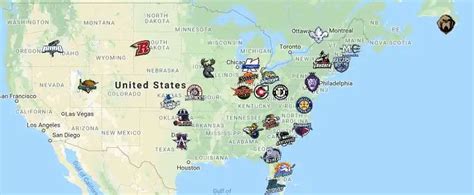
Minor league professional hockey leagues in the US include the American Hockey League and the ECHL.
Salaries in Semi-Pro Hockey
Do semi-pro hockey players get paid? Yes, but the amount of money you make varies depending on which league you’re in and how good you are.
Read also: The story of Craig Needham
You're not going to be rolling in dough enough to retire on playing earnings alone, but you can certainly get paid to play the game you love in front of thousands of fans.
The amount of money a minor league hockey player makes depends on a number of factors which are the league they play in, their playing experience, and the clubs budget/resources that season.
These all factor into how much a player can or cannot make.
FPHL Hockey Salary
In the FPHL, players are generally only making a couple hundred dollars a week (tops) which is the league minimum. They can't legally pay you less than that. If you’re a top 3 player on your roster, you might have a special arrangement with bonuses where you’re making more.
Player quote on playing in the FPHL: "I wasn't ready to give up playing after finishing university hockey and I still had the itch to keep the dream alive a few years longer. I'm not making 6-figures or anything, but I have the opportunity to spend half the year doing what I love on the ice, playing in front of thousands of fans, and getting a paycheck to do just that."
Read also: Inside Aaron Ness's Career
SPHL Salaries
SPHL players make a little bit more than players in the FPHL on average, but not substantially more. The average SPHL player is making a few hundred dollars a week as their SPHL salary, with a few select higher end/veteran players making a bit more (anywhere from 500-900 per week).
Player quote on playing in the SPHL: "My team is based in a smaller town in the Southern US. They treat us exceptionally well, from our trainers to the fans around town. I'm in my third season in the SP and make more about 50% more salary per month now than in my rookie season."
Skill Level Required
How good do you have to be to play semi-pro hockey? There’s a minimum threshold, but it truly depends on which hockey league you’re interested in playing in.
It's extremely important that you're honest with yourself if you're asking yourself this question.
3 questions you must ask yourself if you want to know if you can play semi pro hockey:
- Is my skill level on par with the majority of players in this league based on my position?
- Do I have a comparable resume on paper to players in the league?
- If not, what attributes can I bring to the club for them in place of that for them to realistically be interested in me?
FPHL Skill Level
If you look at an FPHL roster, you’ll find an assortment of hockey resumes. They’ll range from top junior and a few European players to more high end players that have some NCAA/USports experience.
SPHL Skill Level
The SPHL is getting more competitive each year. If you haven’t played NCAA, USports, or were an elite level junior hockey player, it’s going to be hard to gain any interest from a club here. Even if you have played at this level, your play needs to be a good level since many players are getting sent down from the ECHL, Europe, etc.
ECHL Skill Level
ECHL clubs are looking for players with strong collegiate or major junior experience. With the bulk of coast teams being affiliated with NHL clubs, they have no shortage of players in development systems being sent their way.
Tryouts for Minor Hockey Leagues
Can you tryout for hockey leagues in the minors? Yes, various clubs throughout the FPHL and the SPHL have free agent camps.
We generally wouldn’t advise it though for the majority of players.

ECHL: A Closer Look
The ECHL (formerly the East Coast Hockey League) is a minor professional ice hockey league based in Shrewsbury, New Jersey, with teams across the United States and Canada. Competitively, it is a tier below the American Hockey League (AHL). The ECHL and the AHL are the only minor leagues recognized by the collective bargaining agreement between the NHL and the National Hockey League Players' Association (NHLPA), meaning any player signed to an entry-level NHL contract and designated for assignment must report to a club in either the ECHL or the AHL.
As of the 2025-26 season, 30 of the 32 NHL teams held affiliations with an ECHL team, with only the Columbus Blue Jackets and Utah Mammoth having no such franchise affiliation. The league's regular season typically begins in October and ends in April, followed by the Kelly Cup playoffs.
Affiliations between NHL, AHL, and ECHL Teams
So what happens after an NHL team drafts a player? Well, it’s very likely that draft pick is sent to the minor leagues for more player development. The American Hockey League and the ECHL serve as important prospect development levels for young hockey players looking to debut in the NHL.
Here’s a breakdown of affiliations between NHL, AHL, and ECHL teams:
| NHL Team | AHL Affiliate | ECHL Affiliate |
|---|---|---|
| Anaheim Ducks | San Diego Gulls | Tulsa Oilers |
| Boston Bruins | Providence Bruins | Maine Mariners |
| Buffalo Sabres | Rochester Americans | Jacksonville IceMen |
| Calgary Flames | Calgary Wranglers | Rapid City Rush |
| Carolina Hurricanes | Chicago Wolves | Greensboro Gargoyles |
| Chicago Blackhawks | Rockford IceHogs | Indy Fuel |
| Colorado Avalanche | Colorado Eagles | Utah Grizzlies |
| Columbus Blue Jackets | Cleveland Monsters | None |
| Dallas Stars | Texas Stars | Idaho Steelheads |
| Detroit Red Wings | Grand Rapids Griffins | Toledo Walleye |
| Edmonton Oilers | Bakersfield Condors | Fort Wayne Komets |
| Florida Panthers | Charlotte Checkers | Savannah Ghost Pirates |
| Los Angeles Kings | Ontario Reign | Greenville Swamp Rabbits |
| Minnesota Wild | Iowa Wild | Iowa Heartlanders |
| Montreal Canadians | Laval Rocket | Trois-Rivières Lions |
| Nashville Predators | Milwaukee Admirals | Atlanta Gladiators |
| New Jersey Devils | Utica Comets | Adirondack Thunder |
| New York Islanders | Bridgeport Islanders | Worcester Railers |
| New York Rangers | Hartford Wolf Pack | Bloomington Bison |
| Ottawa Senators | Belleville Senators | Allen Americans |
| Philadelphia Flyers | Lehigh Valley Phantoms | Reading Royals |
| Pittsburgh Penguins | Wilkes-Barre/Scranton Penguins | Wheeling Nailers |
| San Jose Sharks | San Jose Barracuda | Wichita Thunder |
| Seattle Kraken | Coachella Valley Firebirds | Kansas City Mavericks |
| St. Louis Blues | Springfield Thunderbirds | Florida Everblades |
| Tampa Bay Lightning | Syracuse Crunch | Orlando Solar Bears |
| Toronto Maple Leafs | Toronto Marlies | Newfoundland Growlers |
| Vancouver Canucks | Abbotsford Canucks | Kalamazoo Wings |
| Vegas Golden Knights | Henderson Silver Knights | Savannah Ghost Pirates |
| Washington Capitals | Hershey Bears | South Carolina Stingrays |
| Winnipeg Jets | Manitoba Moose | Norfolk Admirals |
Levels in Adult Hockey Leagues
I understand the basics that an "A" league has better players than a "B" league which has better players than "C" etc. However, is there a more definitive criteria as to the level of play at each level. For example how does C1 differ from C2 etc. It seems most players fall in the D through B levels.
Everyone goes through a "skills test" and the director of hockey places each person into the level that he feels the person is performing at. During the year, if someone is performing at a noticeably higher level, the director will move them up into the next level.
Junior Hockey Leagues in North America
Junior hockey is generally considered “amateur” hockey, as the players are not considered professional. Understanding levels of junior hockey leagues is confusing and in this guide, we’re going to unpack every level of junior play.
Ranked in order of which leagues send the most prospects to the NCAA Division 1 level, it would be the USHL. The NCAA will allow players who have played in any league but the CHL to compete in the NCAA. The reason CHL players cannot play in the NCAA is because they’re given a stipend, thus forfeiting their NCAA eligibility. In Canada, players who have played in the CHL are still eligible to play University hockey, also known as “U Sports”.
For Canadian hockey players interested in further continuing their career in the NCAA, the CJHL is an excellent option. The CJHL is considered to be Junior A Hockey, or Tier 1 Hockey. The USHL continues to churn out prospects at a prolific rate.