Winter hunting presents unique challenges and rewards. The colder temperatures, snow-covered terrain, and unpredictable weather demand careful preparation to ensure your comfort, safety, and success. Having the right gear is essential for navigating these harsh conditions while staying focused on the hunt.
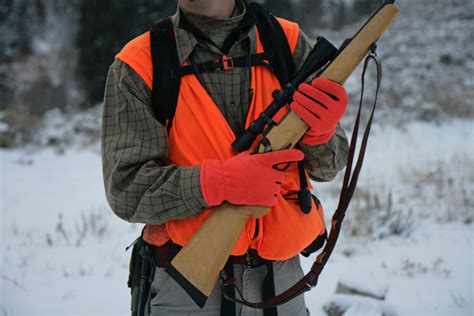
Winter Hunting: A Specialized Approach
Winter hunting requires a specialized approach due to the added risks of cold weather.
Layering System
Layering is the key to staying warm and comfortable. The system works by combining multiple layers, each with a specific role. A typical layering system includes four main components: the base layer, insulating layer, outer layer, and rain gear.
Base Layers: The Foundation of Warmth
Base layers are the foundation of every cold weather hunting clothing system. Get this wrong and no jacket can save you. Most hunters overspend on outer layers and underinvest here - a costly mistake.
The primary purpose of the base layer is moisture management-it pulls sweat away from the body, allowing it to evaporate and keeping you dry. At the same time, it traps a small amount of heat to help maintain a stable body temperature. Staying dry is critical in the field to avoid cold stress, which can occur when wet clothing chills the skin and lowers your core temperature.
Read also: Maximize Savings on Mount Snow Skiing
What to Look For in Hunting Base Layers:
- Fabric
- Merino wool: Odor-resistant, temperature-regulating, and comfortable for multi-day hunts. Naturally moisture-wicking, antimicrobial, and offers great warmth.
- Synthetic blends: Excellent moisture-wicking and faster drying, ideal for high activity. Lightweight, quick-drying, and durable.
- Avoid cotton: It traps moisture and makes you cold fast.
- Weight classes
- Lightweight (150-200 GSM): 40-60°F, high activity
- Midweight (250 GSM): 20-40°F, mixed activity (most versatile)
- Heavyweight (330+ GSM): 0-20°F, stationary hunts
- Fit & design
- Snug but not restrictive
- Flat seams to prevent chafing
- Crew neck or quarter-zip for heat regulation
- Full-length bottoms
Skipping the mid-layer is a common mistake that costs warmth.
Best Hunting Base Layers by Budget
| Budget | Recommendations |
|---|---|
| Budget ($40-70) | REI Co-op Merino Base Layer Set, Under Armour ColdGear (synthetic) |
| Mid-Tier ($80-130) | Smartwool Intraknit Thermal Merino, First Lite Kiln Hoody (can double as a mid-layer) |
| Premium ($150-249) | Sitka Core Merino 330 - heavyweight for extreme cold, KUIU Merino base layers - durable and temperature-regulating |
Insulated Hunting Jacket: Your First Line of Defense
Your jacket is the single most important investment in cold-weather hunting gear. It’s the difference between an all-day sit and heading home before lunch. If you’re cold in your core, everything else falls apart.
Winter requires heavier insulation in your jacket and pants. Look for durable materials that provide warmth without restricting movement.
Read also: MLine Pro Deck: Three-Season Performance
What to Look For in a Cold Weather Hunting Jacket
- Insulation types
- Down (800+ fill power): The warmest option for its weight and highly compressible. Ideal for stationary hunting in dry, cold conditions. Down loses warmth when wet.
- Synthetic (PrimaLoft, Thinsulate): Slightly bulkier but retains warmth when wet. A safer bet for mixed conditions, snow, or damp climates.
- How much insulation you need
- 135g: Mobile hunting, spot-and-stalk, or temps around 20-40°F
- 200-230g: Stationary hunting (tree stands, blinds) in 0-20°F
- Shell fabric
- Fully windproof and waterproof (Gore-Tex, eVent)
- Quiet fabric for bowhunting and close-range encounters
- Key features
- Pit zips to dump heat on the walk in
- Adjustable cuffs and hem to seal out cold air
- Multiple pockets for hand warmers and gear
- Slightly longer cut to cover your lower back while sitting
Jacket Choices by Hunting Style
- Stationary hunting (tree stands, blinds): You’re not generating body heat. Wear all your layers and sit outside for 30 minutes in similar temperatures. If you’re cold sitting still, you’ll be miserable in the stand.
Insulated Hunting Pants or Bibs: Don’t Neglect Your Lower Half
Cold legs will ruin your hunt no matter how good your jacket is. Lower-body insulation matters most for stationary hunting, where heat loss through your seat and thighs adds up fast.
What to Look For in Cold Weather Hunting Pants
- Insulation placement
- Seat and knees (critical for stands and blinds)
- Thighs and shins for mobile hunters
- Typical range: 60-120g insulation
- Shell fabric
- Waterproof lower legs
- Windproof construction
- Reinforced knees and seat
- Features
- Articulated knees
- Side zips for easy on/off
- Adjustable waist or suspenders
Bibs vs. Pants: Which Should You Choose?
Read also: Summit County Ski Report
- Bibs
- Warmer, no waist gap
- Better for 0-20°F
- Ideal for stationary hunting
- Heavier and bulkier
- Pants
- More versatile and mobile
- Easier bathroom breaks
- Better for spot-and-stalk hunts
Tree stand or blind hunting below 20°F? Choose bibs. Everything else? Western spot-and-stalk hunts favor lighter insulated pants. Match gear to how you hunt.
Cold-Weather Hunting Boots: Keep Your Foundation Warm
Cold feet end hunts faster than anything else. Once your feet get cold, they rarely warm back up. This is where many hunters try to save money - and regret it.
Cold, wet feet can quickly ruin a hunt, making hunting boots essential for cold weather conditions. Choose insulated, waterproof boots designed for winter conditions.
What to Look For in Insulated Hunting Boots
- Insulation levels
- 400g: 30-40°F, mobile hunting
- 800g: 20-30°F, mixed activity
- 1,200g+: 0-20°F, stationary hunting
- More insulation equals more warmth - but less mobility.
- Waterproofing
- Non-negotiable
- Gore-Tex or rubber construction
- Sole & tread
- Aggressive traction for snow and ice
- Vibram or similar outsoles
- Fit
- Room for thick wool socks
- Snug heel, roomy toe box
- Always test with hunting socks
Boot Types Explained
- Pac boots: Best for stationary hunting in snow and mud
- Insulated leather boots: Best for mobile and mountain terrain
- Rubber boots: Ideal for waterfowl and wet environments
Best Cold Weather Hunting Boots by Budget
| Budget | Recommendations |
|---|---|
| Budget ($100-150) | Rocky Trophy Series, LaCrosse AlphaBurly (1,600g) |
| Mid-Tier ($200-350) | Meindl Eurolight Hunter 300, LaCrosse Ursa LS GTX |
| Premium ($400+) | Sitka VentLite GTX, Kenetrek Mountain Guide |
Cold-Weather Hunting Accessories: Hands, Head, and Neck
These small items often decide whether a hunt succeeds or fails. Your body loses heat fastest through your hands, head, and neck. Cold fingers mean missed shots.
Protecting your extremities is critical in cold weather. Gloves should provide insulation while allowing dexterity for handling weapons and gear.
Gloves & Hand Protection
- Best system: Liner gloves + insulated mittens or shells
- Options
- Convertible glomitts for dexterity
- Heated gloves for extreme cold (<10°F)
- Budget
- Carhartt insulated gloves + liners
- Mid-Tier
- Sitka or First Lite insulated gloves
- Premium
- KUIU Northstar Glomitt
- Heated gloves (Ororo, Mobile Warming)
Headwear & Neck Protection
- Merino or fleece beanie that covers ears
- Balaclava for extreme cold
- Neck gaiter to seal jacket collar gaps
- Always check blaze orange requirements during firearm seasons.
Hand & Body Warmers
- Disposable HotHands: reliable and cheap
- Rechargeable warmers: reusable and effective
Essential Tools and Preparation
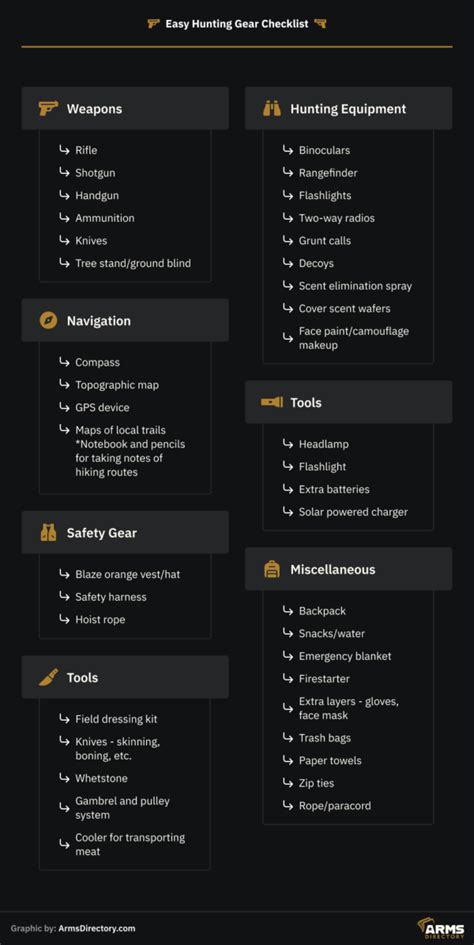
Winter conditions can make navigation and survival more challenging. Snow and reduced visibility can make landmarks harder to recognize. Winter days are shorter, and darkness can set in quickly. Cold weather can exacerbate injuries, making a well-stocked first aid kit essential. Snow and ice can make walking treacherous.
Hydration is just as important in winter as in warmer months. Cold temperatures can make starting a fire more difficult. Carry waterproof matches, a fire starter, and dry tinder to ensure you can build a fire for warmth or signaling. Fog-resistant binoculars and scopes are crucial for clear vision in cold weather.
Cold and moisture can affect firearms and bows. Test your gear in cold weather conditions before heading out. Organize your gear for easy access to critical items, such as gloves, water, and navigation tools. Use waterproof bags to protect sensitive equipment from snow and moisture. Before departing, review weather forecasts for your hunting area.
Additional Tips for Snow Hunting
- Use an insulated water bottle to prevent liquids from freezing.
- Keep sensitive items like optics and water bottles insulated.
- Bring backups. Losing a glove in 10°F weather can end your hunt.
Как выбрать зимний костюм для рыбалки и охоты. Советы от компании ХСН
Winter hunting requires a combination of specialized clothing, tools, and preparation to ensure safety and success. By equipping yourself with the right gear, you can tackle the unique challenges of cold-weather conditions while staying comfortable and focused on the hunt. Proper planning and attention to detail not only enhance your overall experience but also help you navigate winter’s toughest elements with confidence.