Snowboard boots are a crucial piece of equipment, and maintaining them is essential for both performance and comfort on the slopes. This guide covers common issues, repair techniques, and tips for extending the life of your boots.
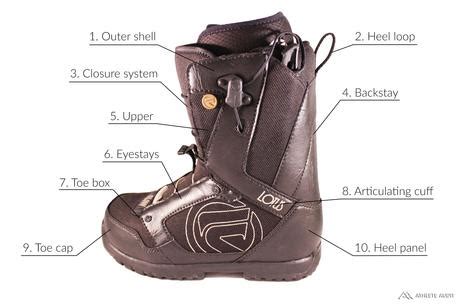
Addressing Boot Fit Problems
If you're struggling with boot fit problems, there are many effective solutions that can turn your discomfort into better performance on the slopes. This in-depth guide covers a range of common fit issues and how to resolve them for good. Whether the culprit is improper sizing, worn-out liners, or the unique shape of your foot, you'll find step-by-step advice to help you achieve a secure, comfortable fit. And remember, even properly adjusted ski bindings can impact how your boots feel and perform, so don’t overlook that crucial connection.
Start with the Foundation: Size, Lacing & Technique
Confirming that your boots truly fit your feet is the first step. Your toes should lightly touch the toe cap when standing upright and slightly lift when flexing forward. Boot volume matters too, if your volume is off, tightening alone won’t eliminate movement.
How you lace them also plays a critical role. Rather than rising onto your toes or shifting forward excessively, focus on engaging your ankles and knees through controlled flexion to initiate and hold your turns. This technique keeps your heel firmly planted in the boot, allowing you to maintain better edge control and reduce fatigue.
Using ankle flexion not only stabilizes your foot within the boot, but it also encourages a more natural riding posture, improving balance and responsiveness.
Read also: Troubleshooting Boa Boots
Customization: Liners, Heat Molding & Insoles
Heat molding and custom insoles are essential for optimizing boot fit and performance.
Many modern liners are heat-moldable, allowing them to take the shape of your foot and dramatically improve fit. A quick session at a shop can set them up for better comfort and control.
Adding custom or aftermarket insoles can fill excess volume, support your arches, and eliminate unwanted foot movement inside the boot shell. A properly contoured insole stabilizes the foot, aligning it in a neutral position that promotes efficient energy transfer and control. This reduces internal shifting, which is a common cause of heel lift, toe bang, and general instability.
By minimizing foot slippage, insoles also help reduce muscle fatigue, as your body doesn't have to work as hard to stay balanced. Beyond comfort, they can improve warmth and circulation, especially on long days in variable conditions.
Strategic Padding: J-Bars, C-Pads, Butterfly Wraps & Wedges
Strategic padding can further enhance boot fit and eliminate unwanted movement.
Read also: Is the Gnu Antigravity Snowboard Worth It?
These simple foam fillers attach to the inside of the liner around the ankle and lock your heel securely in place. They're affordable and often effective.
Butterfly-style foam wraps go around the back of the heel for a broader grip, ideal for narrow ankles. Alternatively, wedges placed beneath the insole can lift your heel and eliminate movement with minimal effort.
Tackle Wear: Repair or Replace Liners & Boots
If liners have packed out or started to collapse, no amount of padding will fully resolve heel lift. Replace worn liners or boots to maintain optimal performance.
Pro-Level Adjustments: Customized Fit and Technique
Binding adjustments can significantly impact boot fit and performance.
Shifting binding angles or tightening the ankle strap can enhance foot hold and reduce heel lift substantially, giving you a more responsive and controlled ride. Small adjustments in your stance, such as changing the forward lean or rotating the highbacks, can better align the boot with your natural movement, improving both comfort and performance. Additionally, ensuring your bindings are properly adjusted to match your skill level and riding style can make a noticeable difference in how securely your boots fit.
Read also: Battle Bindings: Performance and Value
Binding adjustments, custom insoles, socks, and lacing technique can all contribute to a better-fit boot. Professional molding can also address general discomfort.
Table 1: Addressing Boot Fit Issues
| Issue | Solutions |
|---|---|
| Heel Lift | J-Bars, C-Pads, Butterfly Wraps, Wedges, Binding Adjustments |
| General Discomfort | Better-Fit Boots, Professional Molding, Custom Insoles, Socks, Lacing Technique |
| Worn Liners | Replace Liners |
| Improper Size | Confirm Proper Size, Heat Molding |
Repairing Boa Lacing Systems
Boa systems are designed for convenience - and that includes easy maintenance. Whether you’re at home or in a ski lodge, you can replace a broken Boa lace in just a few minutes.
How To Replace / Install Boa Boot Laces
If your Boa snowboard boots aren’t tightening anymore or the lace has snapped, don’t panic - it’s one of the most common snowboard boot issues and it’s super easy to fix. Most Boa cables snap when snowboarders rest their snowboard on their back foot when riding the chairlift. The steel edge grinds against the lace, frays the cable, and eventually causes it to break.
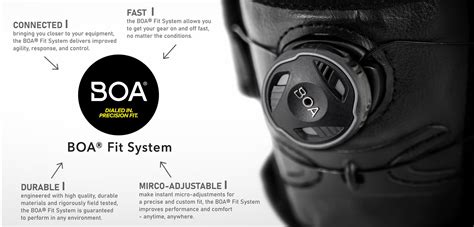
Steps to Replace a Boa Lace
- Remove the Boa dial. On newer models, twist clockwise and it will pop right off.
- Release the old lace. Create a loop and push it through until the cable disengages from the housing.
- Attach the lace to the Boa dial. Feed it through the longer hole first, loop it back through the next one, and repeat once more to lock it in place.
- Test it. Spin the dial to tighten the boot and pull to release.
Additional Considerations
Remoteness: If a BOA breaks way back in the wilderness, that is pure FUBAR. It is. No doubt. But, in a pinch, a Voile strap tensioned over the forefoot can work.
Readers, please hold forth in the comments, but repair and potential fixing is one thing to consider, as is also considering which lower-foot securing system works best for you: BOA or a buckle over the forefoot. Remember, buckles break, too. (Bring a Voile strap.)
However, the truth on a BOA/Twistfit repair, besides swapping out the BOA housing or cable on the Fischers, looks daunting as the tensioning cable is threaded and routed internally on seemingly every other BOA/Twistfit boot.
Please let us know if you have experience with a BOA field repair or a full-on replacement that we have not covered, as we’ll all be better prepared when the inevitable goes down.
No matter your level, from rental-lap rider to full-season devotee, heel lift and fit issues can be addressed with the right combination of lacing, padding, liners, and rider awareness.
A Layered Approach to a Better Boot Fit
- Confirm proper size and lace technique
- Use heat molding and upgraded insoles
- Add J-bars, butterfly wraps, or wedges
- Consult a boot fitter for precise adjustments
- Replace liners or boots if necessary
Start with the simplest fixes, and if problems persist, consider professional help.