Welcome future shredder! Getting into snowboarding was one of the best decisions of my life. If you are reading this, then you might be thinking about getting into snowboarding, too. Snowboarding is not your typical hobby.
While I certainly believe that snowboarding is for everyone, there is a barrier to entry that deters many from falling in love with it. What is that barrier? The first step in calling yourself a snowboarder is buying an actual snowboard. I’ll admit, I rented boards for a long time, but it wasn’t until I bought one that my progression as a rider and my identity as a boarder truly began to manifest.
Buying your first snowboard can be scary, especially if you don’t know much about snowboards to begin with. That’s okay! In this article, I will cover what to look for when buying your first snowboard and what beginners should look for in terms of design and price.

Understanding Snowboard Types
Understanding the main types of snowboards makes it easier to choose the right board for your riding style and terrain. Each category offers a different feel - from all-mountain versatility to freestyle playfulness or freeride power.
Here are the main things to consider when shopping for a snowboard:
Read also: Is the Gnu Antigravity Snowboard Worth It?
- Snowboard length: As a general rule, if you stand a board on its tail, the nose of the board should reach somewhere between your nose and chin. You can use size charts and recommended rider weights to get more precise.
- Types of snowboards: Your choices include all-mountain, freestyle, freeride, powder and splitboards. The right type of board depends on what type of terrain and snow conditions you plan to ride in.
- Snowboard camber and rocker: There are many different camber and rocker profiles to choose from. If you plan to ride fast on groomed runs, then a cambered board is a good choice. But for riding soft snow you'll probably want a flat, rocker, camber/rocker or flat/rocker board.
- Snowboard width: With the right width board, your boots will extend just slightly over the edges of the board. If they overhang too much, though, they could drag and make you lose control.
- Snowboard shape: Choose a directional board for high-speed carving, a true twin board for park and pipe use, or a directional twin for all-mountain riding.
Other snowboard features: You can refine your search by considering things like sidecut radius, effective edge, board flex and base material.
Here's a quick comparison of the main snowboard types:
| Type of Snowboard | Description | Best For |
|---|---|---|
| All-Mountain | Versatile for mixed terrain; often directional twin with camber or hybrid profiles. | Groomed runs, variable terrain, beginners |
| Freeride | Directional shapes with longer noses and tapered tails. | Steep terrain, natural features, deep powder |
| Freestyle/Park | True twin shapes with centered stance and softer flex. | Jumps, rails, riding switch |
| Carving Specific | Directional shapes with deep sidecuts and stiffer flex. | Groomed terrain, carving turns at speed |
| Powder Specific | Wide outlines, setback stances, and rocker-heavy profiles. | Deep snow, surfy feel |
If you’re looking for a board that can genuinely do it all, an all-mountain snowboard is your go-to. These boards are built with directional twin and camber or hybrid profiles that deliver stability on groomed runs while staying responsive and playful in variable terrain. Whether you’re carving a clean line, dipping into trees or hitting side hits on the way down, an all-mountain board brings confidence and consistency to every turn.
Freeride snowboards are designed for riders who seek steep terrain, natural features and deep powder days. These boards use directional shapes with longer noses and tapered tails that improve float and maintain stability as speed increases.
Freestyle snowboards are built for riders who want a playful, responsive board for hitting jumps, sliding rails and riding switch. These boards use true twin shapes with centered stance positions that feel the same in both directions, along with softer flex patterns that make presses, butters and spins easier to control. True camber profiles add snap and stability on takeoffs and landings while still giving you the precision you need for technical tricks.
Read also: Battle Bindings: Performance and Value
Carving specific snowboards are designed for riders who want a fast, responsive board built to rail confident turns on groomed terrain. These boards use directional shapes with deep sidecuts and stiffer flex patterns that create powerful edge grip and quick edge-to-edge transitions. True camber profiles add strong energy return, giving you a lively and precise feel as you link carves at speed.
Powder specific snowboards are shaped to deliver effortless float and a smooth, surfy feel in deep snow. These boards often use wide outlines, setback stances and volume-shifted designs that keep the nose riding high while the tail sinks naturally into the snow. Rocker-heavy or hybrid profiles make it easy to pivot, slash and flow down the fall line with minimal effort, even at slower speeds.
Physical Factors: Shape, Length, and Flex
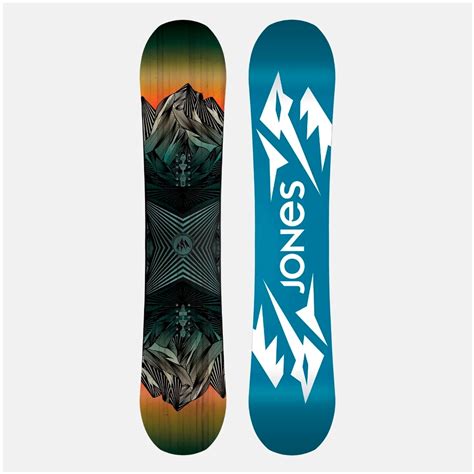
First-time snowboard buyers should consider a few physical factors such as board shape, length, and flex. Beginners should look for a board that is going to help them become better snowboarders. A snowboard’s shape heavily affects the way a snowboard feels underfoot.
A true twin snowboard is perfectly symmetrical from nose to tail. Some snowboards are “directional,” which typically means they have longer noses than tails. There are many different types of snowboard shapes, but a true twin is the way to go for beginners.
Then there is snowboard profile, often referred to as snowboard “bend.” This refers to the snowboard’s shape when looked at from the side (if it were lying flat on the ground). These shapes include flat, rocker, camber, and hybrid camber. Without getting too technical, first-time snowboard buyers should consider a board with a flat or rocker profile because they are the easiest to master.
Read also: Renting Snowboards in Whistler Blackcomb: What You Need to Know
Snowboard length is essential when it comes to maneuverability and stability. You don’t want a board that is too small and you definitely don’t want a board that is too big. Smaller boards are easier to control but they lack speed, and longer boards are faster but harder to control. Snowboard length is directly correlated to one’s weight and height.
A correctly sized snowboard will often stand as tall as between your nose and chin. Every snowboard has its flex rating. Some snowboards are incredibly stiff, while others are unbelievably flexible (soft). Beginner riders should choose a board that is on the softer side.
Sizing Chart
The following size chart can also be used to give you a good idea of the right board length based on your weight:
| Rider Weight (lbs.) | Snowboard Size (cm) |
|---|---|
| 110-120 | 128-136 |
| 115-130 | 133-141 |
| 125-135 | 139-147 |
| 135-145 | 144-152 |
| 140-155 | 149-157 |
| 150-165 | 154-162 |
| 160-175 | 159-167 |
| 170-185 | 160+ |
| 180-195 | 160+ |
| 190-205 | 160+ |
Once you have a general idea of length, considering the type of snowboarding you plan to do can help you decide to go longer or shorter. For instance, fast, aggressive riders often prefer a longer board. Park riders eager to hit lots of jumps and twists may want a very short board for easier maneuvering. And remember that there's a lot of personal preference in picking board length, so if you already know you like a longer or shorter board, that's perfectly fine.
Recommended Snowboards for Beginners
- 2024 Arbor Foundation Rocker: The Arbor Foundation snowboard is the perfect snowboard for beginner riders. This board is very forgiving and will feel great all over the mountain.
- 2024 Nidecker Play Snowboard: This is another great snowboard to learn on. It’s a lightweight, forgiving snowboard that is ideal for smaller riders. This board features a rocker/flat/rocker profile that will be so easy to learn on.
- 2024 Salomon Sleepwalker Snowboard: This beginner snowboard is amazing for new riders who want to learn tricks. It’s suitable for rails, freestyle riding, and small jumps.
- 2024 Nitro Prime Raw Snowboard: The Nitro Prime Raw is an ideal board for any first-time owner.
- 2024 Rome Mechanic Snowboard: The Rome Mechanic has a medium flex rating and a rocker/flat/rocker snowboard profile.
Choosing Bindings and Boots
When you’ve identified the snowboard you want to buy, the next step is finding a pair of bindings and boots to pair with your board. The criteria for bindings and boots are almost identical to that of snowboards.
Beginners should buy comfortable, flexible, and durable bindings to go onto their snowboard.
Recommended Bindings:
- Salomon Pact Snowboard Bindings: These affordable bindings are perfect for beginners and intermediates.
- Arbor Spruce Snowboard Bindings: The Arbor Spruce bindings are an ideal choice for beginners looking for a reputable binding.
- Union Flite Pro Snowboard Bindings: These budget-friendly bindings offer a softer flex than most.
Recommended Boots:
- ThirtyTwo Shifty BOA Snowboard Boots: These boots are perfect for beginners. They are lightweight, comfortable, and convenient with the BOA system.
- Vans Hi-Standard OG Snowboard Boots: These classic Vans snowboard boots come with traditional laces and tons of comfort. These boots will pair well with virtually any binding.
- K2 Rosko Snowboard Boots: The K2 Rosko boots are comfortable, stable, and simple.
When you buy a snowboard, bindings, and boots, protect them by using a snowboard bag. It’s the best way to keep your gear safe, and it makes traveling a lot easier when everything is safely stored in one place.
Personally, I use the OM Expandable Padded Snowboard Bag, which fits my board, helmet, jacket, pants, goggles, boots, and more.
Hopefully, this guide has helped you find a snowboard setup that suits your needs. If you have any questions, feel free to reach out to me personally!
You can DM me on Instagram at sam_sam_1024.
Additional Resources
Snowboard Gear Buying Guides: Just getting into snowboarding or buying a gift for somebody? Take a look through our snowboard buying guides to understand the in's and out's of purchasing new equipment. Our guides quickly explain correct sizing, styles, features to make shopping for new gear a breeze.
- Best In Snow 2024: Gear Guide
- Snowboard Buying Guide
- Binding Buying Guide
- Boot Buying Guide
- Snowboard Sizing Chart
- Goggle Buying Guide
Types of Snowboard Gear: Upgrading or replacing your gear? Looking to try out a new camber profile or boot style? Browse through our guides to determine which type of board, boot, and bindings are best for your skill and ride style needs.
- Types of Snowboards
- Camber Profiles Explained
- Types of Snowboard Boots
- Types of Snowboard Bindings
- What to Wear Snowboarding
How-To Articles: Need to perform some routine maintenance, or looking to start tuning your snowboard at home? If you're gearing up to buy your first snowboard, navigating the many shapes, sizes, and styles available can be overwhelming.
At Ridge and River, authenticity is our priority. We believe in helping you find the board that truly fits your style, not just one with a high price tag. Our shop expert and seasoned snowboarder, Mark, shares his insights on how to choose the right board based on where and how you’ll ride.
- What kind of riding do I plan to do? Where will I be riding most often? How do I want to ride? Answering these questions narrows down your options, allowing us to help you find a board that’s a true fit for you.
- A crucial aspect of selecting your board is choosing a length suited to your riding terrain. For Midwest slopes-where runs are typically short with steep drops-a shorter board within your weight range provides better control and responsiveness.
- Board Shapes: Twin Tip vs. Twin Tip Boards: Symmetrical and generally softer-flexing, these boards are ideal for the Midwest, especially in terrain parks.
- At Ridge and River, we strive for authenticity, ensuring you never buy a board just because it’s the priciest option. A higher-end board doesn’t always mean it’s the best fit for you. When choosing your first board, we’ll guide you toward the option that best suits your needs, regardless of price.
Selecting the right snowboard is all about authenticity and finding a board that genuinely fits your riding style, terrain, and goals. With Mark’s advice, you can make an informed choice and find a board that you’ll love on the hill.
FAQ
- What should I consider first when choosing a snowboard? Start by asking yourself where you’ll be riding, what kind of terrain you’ll tackle, and how you want to ride.
- How often should I wax a snowboard? The frequency depends on your board’s base.
- Is it worth buying a more expensive snowboard as a beginner? Not necessarily. Beginners can start with mid-range boards to learn the basics before investing in a high-end board.