Winter is coming! Before you head straight for the trails, prep your snowmobile for what’s ahead. A poorly maintained snowmobile is susceptible to breakdowns and poses a significant threat to the rider’s safety. Regularly checking and replacing worn-out parts before the winter season will help prevent on-trail failures.
The Vital Role of the Drive Belt
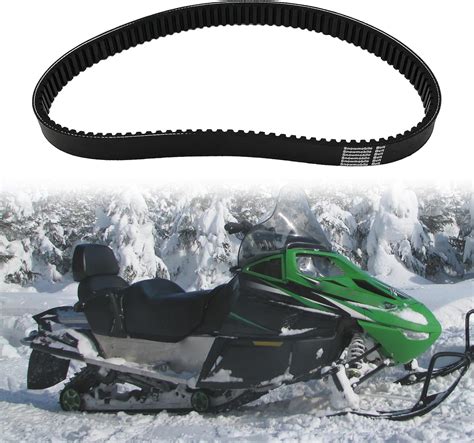
Your drive belt’s main function is to transfer power from the engine to the track, making it an important element for operation. In a conventional drive train format, power is ultimately released to make the track spin. The longer the track and the deeper the lug, the more resistance feedback is translated from the track to the snow.
Over time, drive belts can wear down or crack, leading to slippage or breakage. Drive belts typically last between 1,500 and 3,000 miles, but if you’re a high-performance rider or ride in extreme conditions, you may have to change the drive belt more frequently.
How I Inspect and Install a Snowmobile Belt (& Adjust Deflection)
Maintaining Your Snowmobile for Winter
The engine is the heart and soul of your snowmobile, which means that’s the first area that requires attention. A thorough check of the engine starts with a detailed visual inspection. Start by looking for any obvious signs of wear or damage. Next, watch out for oil leaks, which could indicate a much larger issue that needs immediate attention.
After the engine has been visually inspected, it’s time to tune up! A properly tuned engine will give your snowmobile the power and reliability needed to thrive in cold temperatures. Spark plugs may be small, but they’re vital machine components that should be checked and replaced when they show any signs of wear.
Read also: G-Force One: First Impressions
Low engine compression can cause poor performance or prevent the engine from starting altogether, making it an essential factor to check. To test engine compression, you’ll need a compression gauge. Begin by warming up the engine to operating temperature. Next, disconnect the ignition coil and remove the spark plugs. Repeat this process for each cylinder. Depending on your vehicle, healthy compression readings should typically fall within a specific range.
Cold temperatures that make snowmobiling possible can negatively impact your fuel system, so it’s important to ensure it’s always clean and functioning properly. Drain any old fuel that’s been sitting since last winter and fill the tank up with fresh gasoline. Lastly, make sure all hoses are free of cracks and clamps are tight. Forgetting to do so may cause leaks.
Other Key Components to Inspect
Snowmobiles endure significant wear and tear over time, particularly on parts exposed to increased friction, movement, and contact with snow.
- Track: Inspect the track for missing or damaged lugs and ensure it has the proper tension. Tracks that are too loose or too tight often lead to poor handling or reduced traction, making your snowmobile unsafe for operation.
- Skis: The skis help guide your snowmobile over snow and ice, so they must be in good working condition. Check them carefully for any signs of wear or cracks, and inspect the metal runners, also called carbides, underneath the skis for wear. Worn-out carbides can affect steering, making your snowmobile harder to control. Be sure to sharpen your carbides regularly.
- Suspension: Your snowmobile’s suspension system takes a beating during use, especially on rougher trails. Before you take it out, check all suspension components, such as shocks, bushings, and springs, for signs of wear. These components generally last 2,000 to 4,000 miles but may need replacement sooner.
- Battery: Batteries are especially vulnerable to cold temperatures, and your snowmobile’s battery is no exception. Extreme cold can diminish battery life and cause starting issues, so proper battery maintenance is crucial to keeping your snowmobile in good condition throughout the winter season. Since cold weather can slow down the chemical reactions inside a battery, reducing its ability to hold a charge, testing the voltage with a multimeter is important. A fully charged snowmobile battery should read between 12.6 and 12.8 volts. Corrosion can quickly build up on battery terminals and other connections, effectively reducing the electrical connection. If you aren’t planning to use your snowmobile regularly, consider removing the battery and storing it in a warm, dry place. A trickle charger is also a great option.
Lubrication and Safety Gear
Preparing your snowmobile for winter means more than just checking your parts for cracks, leaks, and corrosion. You also have to make sure all moving parts are lubricated. By lubricating the suspension, steering components, and chain case, you’ll help reduce friction, protect against rust, and extend the life of your snowmobile parts.
For the suspension components, apply high-quality grease to all grease points to ensure smooth movement. In the steering system, check the linkage for any signs of wear and apply lubricant to keep the system responsive.
Read also: Register Your Snowmobile in IL
Even if you followed this guide exactly, snowmobiling can expose riders to extreme conditions and unexpected circumstances. Having the appropriate safety gear on hand is essential for keeping yourself free from injury. A helmet that not only fits properly but meets safety standards. In addition to your safety gear, you should also pack an emergency kit stocked with essentials.
Ultimax Belts: A Leader in Powersports Technology
Timken makes all kinds of industrial belts, but their Ultimax brand is the most well-known by many end users. For more than 30 years, Ultimax has provided consumers the most advanced belt on the market for continuously variable transmission (CVT) drives.
Powersports applications push 200+ horsepower, and the belt is what connects all that power to the ground. The belt sees very high temperatures and tension. CVT powersports is quite an abusive application for the belt, so there’s a lot of design that goes into being able to handle that.
In the early days of powersports, the belt was the weakest link. People loved riding snowmobiles but struggled to find a belt that could last. Development was done through trial and error. Engineers back then would design a variety of belts and field test on snowmobiles until they failed them all. They did that over and over again until they improved the belt. In 1988, the Ultimax brand was introduced. Today, Timken still does a million miles of field testing on snowmobile belts each year.
Flex fatigue failures usually happen with high-mileage touring sleds, where the belt is bending over a high frequency for a long time. Power capacity failures correspond to the tensile strength of the cord and the rubber compound’s ability to support the cord.
Read also: Snowmobile Tunnel Bag Comparison
The big thing is materials. First, it was the aramid cord, but Timken continues to work on different cord and ways to treat the cord. The jump from polyester to aramid cord significantly improved power capacity. Another big development was fiber loading of the rubber element. When Timken was acquired by Timken in 2015, they started testing friction. The side wall of the belt makes physical contact with the clutches, and that friction affects the design and the clutching setup of each application.
Powersports applications require the most technologically advanced rubber compounds and textiles in the power transmission world because of the sheer speed and power that they transfer to the ground. When technological advancements are made, other Timken belts also benefit.
Timken offers a wide variety of belts for the most demanding markets and applications.
Final Thoughts
We know you’re excited to take your sled out on the trails as soon as the snow flies, but it’s important to go through this preparation checklist first. A well-maintained snowmobile will perform better and provide a safer and more enjoyable experience for the rider. With the right care and attention, you can avoid unexpected breakdowns and minimize missing out on any riding days this season.
tags: #snowmobile #drive #belt