When it comes to choosing the right snowboard boots, several factors come into play: comfort, performance, durability, and the ability to withstand harsh conditions. Vans snowboard boots have garnered attention for their innovative designs and reliable performance. This review delves into the specifics of two notable models: the Vans Viaje Range and the Vans Verse, highlighting their strengths and weaknesses to help you make an informed decision.
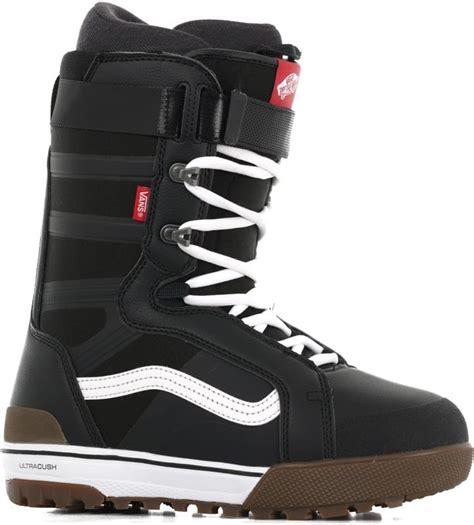
Vans Viaje Range: Exceling in Cold, High-Output Environments
For those who frequent the backcountry and endure long, freezing days, the updated Vans Viaje Range snowboard boot is a reliable choice. This boot is designed to offer dependable support, warmth, and durability, making it suitable for both skinning up alpine lines and navigating deep snow on a snowmobile.
Key Features and Performance
- Warmth and Moisture Management: The plush liner incorporates FlashDry from The North Face, which effectively wicks away moisture to keep feet dry. Mesh-reinforced abrasion patches and waterproof valves enhance breathability, while a heat-retention wrap around the toe box ensures warmth in freezing conditions.
- Adjustable Flex: The flex can be adjusted from a 6 to a 9 using plastic inserts near the ankle, allowing riders to fine-tune the stiffness based on their objective.
- Comfort and Fit: The boot feels snug and secure without pinching, offering extra room in the toe box. It also provides excellent ankle support, preventing heel lift.
- Durability: Designed with durability in mind, the Viaje Range can withstand the rigors of backcountry riding.
Updates and Modifications
The latest version of the Viaje Range includes several updates:
- Aggressive Outsole Tread: The multi-directional lugs provide enhanced traction, especially on icy surfaces.
- Large Grab Handle: A large loop that accommodates four fingers makes it easier to carry the boots.
- Adaptive Range Mode: This mode widens the opening for a more natural gait and extended range of motion, though opinions on its effectiveness are mixed.
While some updates, like the improved tread and grab handle, are well-received, the adaptive range mode has drawn mixed reactions. The power strap and sliders don't seem to provide significant support, and the higher-reaching zipper shroud makes it harder to put on and take off the boot.
Pros and Cons
Overall, the pros of the Viaje Range outweigh the cons, especially for riders prioritizing warmth, support, and durability in challenging conditions. While it may not be the lightest or most playful option for resort riding, it offers excellent protection and performance where it counts.
Read also: Is the Gnu Antigravity Snowboard Worth It?
Vans Verse: A Burly Boot for Split Boarders
The Vans Verse Snowboard Boot Breakdown
The Vans Verse is a well-constructed boot that is particularly suitable for split boarders, thanks to its thicker sides that facilitate side-hilling. It features a dual BOA system, allowing for separate adjustments at the top and side of the boot. This adjustability is particularly useful for touring, where riders can tighten both BOAs for ascents and loosen the top BOA for a greater range of motion on the skin track.

Key Features and Performance
- Dual BOA System: Offers precise and independent tightening of the upper and lower sections of the boot.
- Comfortable Fit: Provides a comfortable fit straight out of the box, with no break-in period required.
- Adjustable Flex: The flex can be adjusted from medium to medium stiff using plastic tongue inserts.
- Durable Construction: Features a beefy spine, ankle articulation, and a thick shell, ensuring longevity and resistance to wear and tear.
Fit and Comfort
The Vans Verse fits true to size and accommodates a variety of foot widths. The lacing system allows for easy adjustment of the upper and lower sections, providing a secure and comfortable fit. The boots are designed to mold to the rider's feet quickly, enhancing comfort and performance.
Potential Drawbacks
One potential drawback of the Vans Verse is its weight. At 2.8 lbs per boot, it is heavier than some other options on the market. Additionally, the shock absorption is primarily located in the insole, which may require riders to stick with the stock insole to maintain optimal cushioning.
Pros and Cons
Despite these drawbacks, the Vans Verse offers excellent durability and construction, making it a solid choice for riders who prioritize longevity and performance. Its robust design and adjustable features make it well-suited for splitboarding and other demanding activities.
Comparative Analysis
Here's a table summarizing the key features of the Vans Viaje Range and Vans Verse snowboard boots:
Read also: Battle Bindings: Performance and Value
| Feature | Vans Viaje Range | Vans Verse |
|---|---|---|
| Intended Use | Backcountry, Cold Conditions | Splitboarding, All-Mountain |
| Warmth Technology | FlashDry liner, Heat-retention wrap | N/A |
| Flex Adjustment | 6-9 (Adjustable Inserts) | Medium to Medium Stiff (Adjustable Inserts) |
| Closure System | Double BOA | Double BOA |
| Outsole | Aggressive, Multi-Directional Lugs | Thick, Durable Construction |
| Weight (Per Boot) | N/A | 2.8 lbs |
| Special Features | Adaptive Range Mode | Thicker Sides for Side-Hilling |
Ultimately, the choice between the Vans Viaje Range and Vans Verse depends on your specific needs and preferences. The Viaje Range excels in cold, backcountry conditions, while the Verse offers robust durability and is particularly well-suited for splitboarding.
Read also: Renting Snowboards in Whistler Blackcomb: What You Need to Know