Nestled in the heart of the Italian Alps, Bormio perfectly balances thrilling outdoor activities, historic charm, and indulgent relaxation, making it an unparalleled winter destination. Bormio combines breathtaking mountain landscapes with the allure of a centuries-old village. Its cobblestone streets, historic architecture, and cozy alpine atmosphere make it an inviting retreat for winter travelers.
A Skier's Paradise
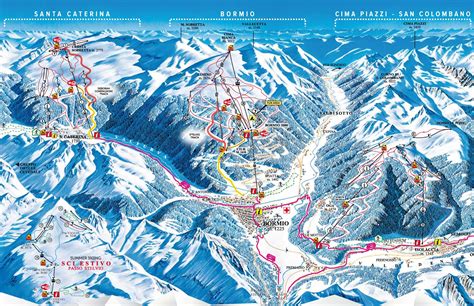
Bormio is a dream destination for ski enthusiasts, offering over 30 miles of meticulously groomed ski runs. With slopes ranging from beginner-friendly to challenging expert trails, it caters to all skill levels. Situated at an altitude of 4,020 to 10,180 feet, Bormio’s high elevation ensures excellent snow conditions throughout the season.
The resort’s 85 miles of pistes take in four ski areas - Bormio, Santa Caterina Valfurva, Cima Piazzi-San Colombano and the Stelvio Glacier - covered by a generous network of 44 ski lifts dropping me onto slopes that are mostly graded red or blue. It’s moderate and accessible, but Fabio Giacomelli, a local who works the lifts and has skied here for more than 30 years, assures me that if a beginner learns here, they’ll be able to ski anywhere.
“You ski a whole week here, and by the end, you’re good! Plus, the drop is skiable,” he says, referring to the resort’s dramatic summit to base ski run - one of Italy’s longest at 5,905ft with snow cannon coverage keeping it open all season. “But February is the best time to come,” Fabio opines. “Especially the second half - there’s more sun, the conditions are perfect and the whole mountain is usually covered with snow.”
The lifts hit the top at just over 9,845ft, where little fluffy clouds and a vast skyscape stretches across the spires of the Alps.
Read also: Wolf Ridge Lodging & Activities
The resort is a regular stop on the World Cup circuit. It’s hosted world-class events for over 40 years, including the Alpine Skiing World Cup, the annual England National Skiing Championships and, in 2026, it’ll welcome the Winter Olympics: Men’s Downhill, Super G, Alpine Skiing and Men’s Slalom.
Pista Stelvio is considered one of the most scenic and challenging - known as ‘La Scala’ of winter sports alluding to its operatic drama befitting Milan’s celebrated theatre. Champions such as Deborah Compagnoni and Pietro Vitalini were born on these slopes, whose maximum incline is 63%. One of the most difficult parts, the San Pietro jump, has a 55% incline on which skiers travel at speeds above 87mph. I give it a miss.
If, like me, you’re an intermediate skier, Bormio has a good range.
Bormio attracts some boarders, but it has no special appeal. The slopes are too steep to make first-time boarding enjoyable, and apart from some good long carving runs, there’s little to attract experienced boarders either: no park or pipe; limited off-piste potential, little enthusiasm from the ski schools to teach boarding; and a mainly skier orientation on the slopes. At least the main area’s lifts are mostly chairs, gondolas or cable-cars - though there are some drags.
Bormio ski resort review 4K | Ski Resorts Video
Beyond the Slopes: Winter Activities
Beyond skiing, Bormio offers a variety of winter adventures. Glide along its cross-country ski trails, explore the picturesque countryside on snowshoes, or go ice skating in the town’s outdoor rinks.
Read also: Ultimate Guide to Brighton Skiing
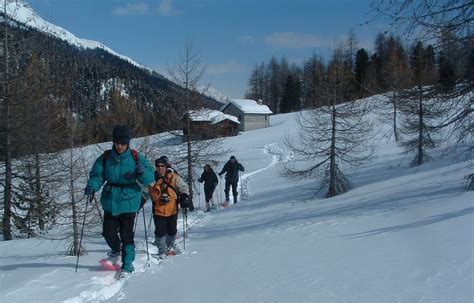
Aside from the roman baths, Bormio also offers beautiful slopes and other winter sports. We’re off snowshoeing. Avalanches aside, it’s a quietly beautiful way to experience the landscape, far from the rumpus of skiers and lifts. And it’s just one of the activities to tempt those not drawn to downhill skiing - fat-biking, dog sledding and exploring almost 30 miles of cross-country ski terrain are just some of Bormio’s offerings.
Wearing avalanche transceivers, radio-like contraptions tucked under our coats, and wide plastic shovel-like shoes strapped to our boots, we traverse clutches of snow-sprinkled spruce and larch. We spot flattened needle beds, the overnight refuge of the region’s red deer and chamois goats, and pass icy waterfalls embellished with toothy stalactites. Luca points out wolf tracks and an ibex perched on a steep bluff. It’s at once serene and also energy-sapping.
Thermal Baths: Relax and Rejuvenate
Bormio is famous not only for its skiing but also for its natural hot springs. After an exhilarating day on the slopes, unwind at one of its luxurious thermal spas.
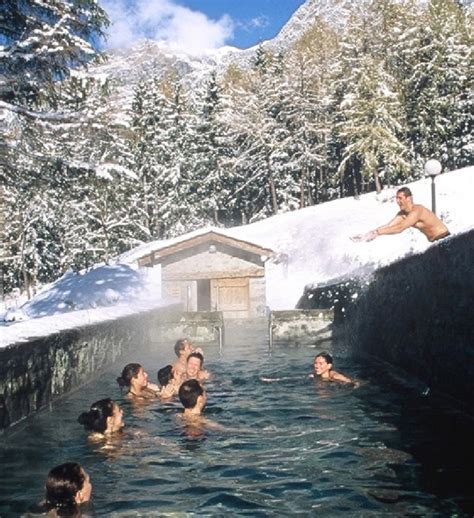
When they discovered hot springs bursting from the ground here high in the Alps, they very sensibly built bathing houses in which to socialise and soak. There have been baths in Bormio for more than 2,000 years and the QC Terme Bagni Vecchi, where I am, is built on the original foundations of those ancient Roman pools. And they’re just as popular now as they were back then. Rumour has it, Pliny the Elder and, later, Leonardo de Vinci have stopped by to immerse themselves in the thermal waters.
And in 21st-century Bormio, the bathing opportunities don’t stop at the old baths. QC Terme Bagni Nuovi (‘new baths’), an art nouveau pink edifice straight out of the Wes Anderson style book, offers soak-seekers a more contemporary affair, framed by pine-forested slopes. The water-based wellbeing choices here are almost infinite; an entire day wouldn’t be enough to try everything. I swim in log fired pools, dunk in plunge baths filled with great hunks of ice and brave jets of water alternating from hot to head-numbingly freezing. I sweat it out in saunas and steam rooms scented with fat bunches of dried lavender and baskets abundant with citrussy curls of pinewood, scooping handfuls of soft clay mud, which I apply liberally before baking myself like a loaf in the heated log cabin next door. Finally, I fall onto a lounger to bask in the panorama.
Read also: In-Depth Sundance Snowboarding
Known locally as Wellness Mountain, Bormio has the Alp’s largest thermal park, shared between three spas - the Vecchi and Nuovi, which are open only to visitors aged 14 or over, and the third, in the town centre, is open to all. This being Italy, each includes a tasty, mid-dunk feast of local cheese, salami, olives and a glass of something cold and bubbly.
Culinary Delights: A Gastronomic Journey
No trip to Bormio is complete without savoring its culinary offerings. From hearty local dishes like pizzoccheri and sciatt to exquisite wines from nearby vineyards, Bormio is a food lover’s paradise.
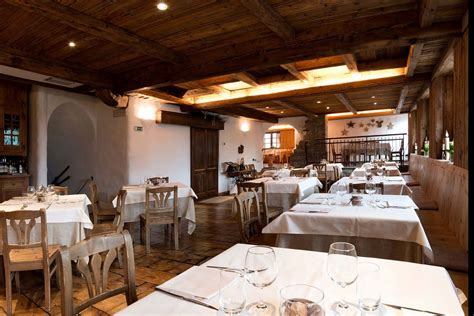
Food here is hyper local, harvested from the mountains. Delicate alpine flowers are plucked to make the bitter-sweet Bràulio; plump porcini, amber chanterelles and juicy blueberries are liberally scattered into risottos, pancakes, stews and salads. And all this is served cosy rustic restaurants and agritourism lodges.
Cantina Nino Negri is one of the many Bormio restaurants serving hyper-local food and wine.
I stay at Agriturismo San Gallo, a wooden farmhouse on the fringes of Bormio surrounded by snowy fields and epic mountain views. I roll home each evening to a waiting sauna, while each day begins with breakfast banquets of freshly squeezed blood oranges, homemade cakes, pancakes and jams, plus farm-fresh cream and eggs. Elsewhere, a snowcat ride up almost vertical slopes takes me to Sunny Valley Kelo Mountain Lodge, helmed by local chef Tommaso Bonseri Capitani, who led the Italian national culinary team to victory at the Global Chef Challenge competition in 2022.
His delicate porcini muffins and homemade sake flavored with alpine flowers is epicurean nirvana. Tommaso smiles at my heady expression. “This location is like a Ferrari,” he says, gesturing to the peaks beyond the windows. “So, we must do it justice.” I, however, have been distracted by the wine cellar. On show off the dining area, it’s replete with premium Italian reds made with the Nebbiolo grape grown nearby on the steep slopes of the surrounding Valtellina region - the perfect pairing with my porcini.
Apres-Ski and Nightlife
If you like cobbled medieval Italian towns and don’t mind a lack of Alpine resort atmosphere, you’ll find the center of Bormio very appealing - though you’re unlikely to be staying there.
All the Aprés bars in Livigno are at the bottom of the slopes, unlike the French resorts with the bars up at the top of the slopes. There are a few options for the après such as the Alegra bar with music and a live DJs most evenings. If you’re looking for a cosy après bar head over to Milky’s Aperitivo Bar, here you will be served delicious wines, and exciting cocktails.
On-Slope Dining Recommendations (Livigno - near Bormio)
One thing we know is make or break for some ski holidays is the food. Here are our top picks for lunch time restaurants on the slopes in Livigno.
Situated up at 2360m high near the Teola Pianoni bassi chair lift you will find the brilliant Camanel di Planon serving chickin dishes, pastas, burgers and toasted sandwiches perfect for a pit stop!
Another refuge on the slopes that’s worth a visit is Tea Berghútte. At 1990m high there are some amazing views as well as divine Italian cusisine this restaurant is next to the Livigno Centro Tagliede gondola. There are also more snack bars and pubs on the slopes to re energise and carry on with your skiing.
Local Culture and History
Locals are a friendly, hardy bunch who have fiercely defended the town’s independence over the centuries. As a major trading route between Venice and Switzerland, Bormio has fought off the Swiss, the Austrians and Napoleon. Today, vestiges of this early wealth and power are evident. Medieval frescoes from the 17th century are etched on church ceilings and across buildings flanking the town’s pretty cobbled streets.
Here, I meet mountain guide Luca Salvadori and we head up into the Alpine pastures. “It’s a grade four today,” he says, noting the elevated avalanche grading. His jaunty felt hat tied with string, Luca smiles easily, wide blue eyes ringed with white circles left by his near-permanently worn sunglasses. “The highest is five,” he continues, packing his rucksack with a snow probe, a shovel and a bottle of Amaro Bràulio, a local herby liquor.
Practical Information for Visitors
Getting Ready for the Games:
- Download the official app of the Games to your smartphone (iOS Apple Store - Android Google Play).
- Download the ticketing app and log in with the credentials used for your purchase at least once before arriving at the venue.
- Citizens from outside of the EU: you should have a valid passport and a visa/green card.
Important Notes:
- Inside the Venue, VISA is the official means of payment for the Olympic and Paralympic Games, or you can pay with cash.
- Events are outdoors. Temperature and weather conditions can be severe.
- Use comfortable waterproof trousers, no jeans because they dry slowly.
- Light backpack: useful to bring you, with some extra clothes if necessary. Verify particular conditions at the entrance.
- Weather conditions in Bormio, as in all the mountain venues, can change very fast.
So, when you’re watching the 2026 Winter Olympics, remember to look up and around: beyond the piste, there’s real drama unfolding.