When you buy your first pair of skates, it's striking how limited the color options are: white, light brown/tan, or black/really really dark brown. Considering the colorful skate costumes, one might expect more variety. This article explores the traditions and rules surrounding figure skates, particularly focusing on black skates, music, and costumes in competitions.
The Tradition of Skate Colors
Why the color separation for men and women? Is this simply a matter of tradition, or can it actually impact your scores when it is time for competition?
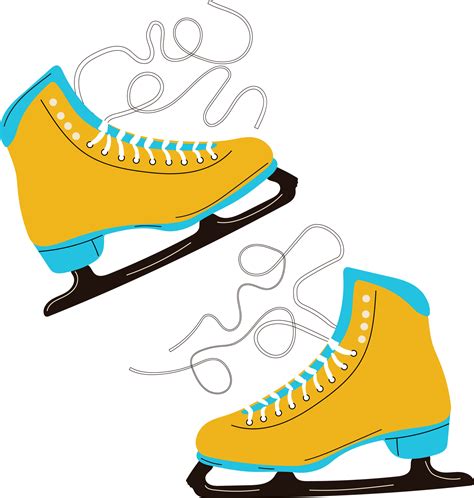
- Tradition: It's largely a matter of tradition. There are traditionalists who prefer white skates with clean white laces for ladies and black skates with black laces for men.
- Custom Orders: You can order skates in multiple colors from manufacturers like Riedell and Klingbeil.
- Impact on Marks: While there are no points awarded for the color of your skates, it can affect the impression you make on some judges.
- Experimentation: In certain situations and competitions, it's acceptable to wear colored skates or skate covers. You can also use Sk8Tape to add color to your skates in patterns, stripes, or all over.
- Colored Blades: Some judges find colored blades, like those on Paramount blades, distracting and inappropriate.
If skates were offered in stock sizes in a range of colors, it would certainly increase the cost. Syncro skaters tend to wear beige skates too. On the other hand, I've always wondered why female coaches opt to wear beige skates... Beige or tan skates hide dirt and smudges better than white ones, which is why synchro, show skaters, and coaches choose that color. My beige instructor boots still look good, even after sitting in a bag on a shelf for years. Finding cotton-content laces to match the beige/tan skates is difficult, so skaters use nylon ones or dye white cotton ones themselves.
Why Beige Skates?
- Hides Dirt: Beige or tan skates hide dirt and smudges better than white ones.
- Professional Look: Traditionally, tan skates were associated with professional skaters.
- Distinction: Coaches wear beige to stand out from skaters wearing white and black.
Will judges really mark a skater down on presentation for having colored blades? The Paramounts have a really pretty hot pink and teal that I have my eyes on now, but some skaters at the rink told me that judges don't like them and that I didn't want to upset the judges. I don't think a judge would actually mark someone down for having colored blades. They might, however, give a weaker first impression to a very traditional judge, and if your program were similar in content and ability with another skater, that first impression might make a difference. Not an intentional mark down, but they might like the other skater just a teensy bit better, just because they met their expectations a little more. The specific comment I heard was "distracting" as they pull the judges eyes to the blades and may cause them to lose focus on your performance a bit.
Music in Figure Skating Competitions
How To Select Music For A Figure Skating Program? - The Winter Sport Xpert
Music can be instrumental or contain lyrics. Singles and pairs skaters can use almost any kind of music, provided they have the proper licensing. Skaters can even compose their own music. Music rules in ice dance are stricter. The short dance has a required style that changes each season. The free dance does not have a required theme.
Read also: Recent developments in the vanished girl case
Music copyright issues affect everyone’s ability to release works across global social media and video platforms. Since 2016, WFS has taken a positive artistic approach to this issue by expanding the genre of Recording Arts available for use. WFS works with a growing network of professional musicians to score and record original instrumental and/or vocal music in all genres, which may be used for WFS events to be released globally and shared on any sites. Anyone may request permission to license WFS copyrighted works for other purposes. The initial published results of this effort are available on World Figure Sport’s Black Ice and Deo gratias Albums.
World Figure Sport has the capacity to help all Skating Artists and coaches with music consultation, editing services, and original arrangements. All works first published or released in the United States before January 1, 1929 have lost their copyright protection 95 years later, effective January 1, 2024.
Costume Regulations
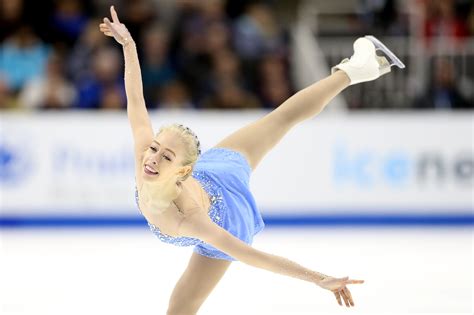
What kind of costumes are skaters allowed to wear? Costumes cannot give the appearance of excessive nudity, or the skater may receive a deduction from the judges. If a piece of the costume falls off, the skater will receive a deduction. Male skaters’ legs must be covered with pants/unitards (although some exceptions have been granted in the past). Female skaters may wear dresses or pants/unitards.
World Figure Sport (WFS) Rules
With World Figure Sport, Skating Artists create an original Fancy Skating performance without constraint. Contorted positions, bent lines, and contrived bombastic use of body, arms, and legs (including excessive grabbing foot or blade) are not usually considered valuable in Fancy Skating.
In the World Figure & Fancy Skating Championships’ Division Skating Artists should be prepared to perform in spotlights, any lighting questions should be directed to the WFS Office before Worlds. World Figure Sport’s Procedures and Protocols’ documents may be updated by the WFS Board of Directors at its discretion.
Read also: Girl's Hockey Guidelines
Judging Criteria
Each group carries equal weight and will be evaluated by a distinct judge (with possible audience involvement on III). Each judge will rank-order the skaters for their category.
Navigating Skating Events
Here are some tips for following skating events:
- Competition Schedules: This information will be provided in the weekly competition posts, but if you want to know about competitions farther in advance, please take a look at the ISU calendar of events.
- Streaming: Major international competitions such as the Grand Prix Series, European/Four Continents Championships, and World Championships are aired on TV channels or streaming services around the world. The official Skating ISU Youtube streams most major competitions, but the streams are blocked in countries that have purchased broadcasting rights for those competitions.
- Catching Up: The Skating ISU Youtube channel archives all of its livestreams. Videos from skating competitions may also be uploaded to Youtube by fans.
- Blocked Streams: If you would like to watch a stream that is blocked in your country, we recommend using a VPN (Virtual Private Network) to change your IP address location.
Logistics of a Skater's Life
Here's a glimpse into the financial and logistical aspects of a skater's life:
- Income: Skaters can earn some prize money from their placements at major competitions, but most skaters do not earn any money by competing. Some popular skaters may earn money from sponsorships.
- Training Costs: Training costs are usually well into the tens of thousands of dollars per year for elite skaters.
- Financial Support: Depending on where a skater is from, they may receive financial support from their federation or government, but many skaters still rely on their families, second jobs or crowdfunding to fund their training.
- Competition Assignments: For most major competitions, skaters are either assigned by their federations based on internal criteria, or invited by the host country in the case of the senior Grand Prix Series.
Technical Elements
The layouts on the Planned Program Elements sheets that skaters submit to the technical panel are not set in stone. But skaters have to be careful when changing layouts on the fly, or they could break a jump layout rule and lose points. Lutzes and flips have different entries; it’s usually easy to tell from the setup which jump the skater intends to do.
Read also: Ski Style: Ralph Lauren's Influence