Skiing, snowboarding, and hockey are great ways to stay active and have fun in the colder months. But if you enjoy these activities, it’s essential to be mindful of the risk of injuries, particularly concussions. Learn how to recognize the signs of head trauma and the crucial role of physical therapy in the concussion recovery process. If you are going to snowboard, you need to understand what concussions are, how they happen, and what to do if you think you have a concussion. In this guide, we are going to walk you through the what, why, and how of concussions.
Snowboarding Safety and Traumatic Brain Injuries
What Is a Concussion?
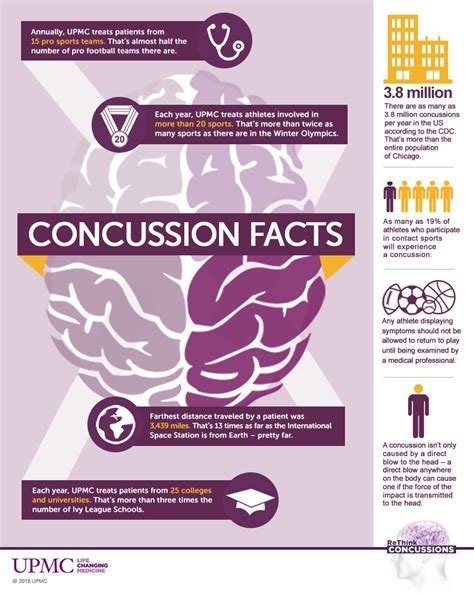
A concussion is a Traumatic Brain Injury (TBI) caused by a blow to the head or body in which both the head and brain are jolted violently. A concussion occurs when the brain sustains an impact inside the skull, often caused by a direct or indirect blow. A concussion is a traumatic brain injury (TBI) that occurs when the head is struck or jolted with significant force, causing the brain to move or twist inside the skull. This can lead to chemical changes that affect brain function. Concussions are a relatively common injury for snowboarders. One study noted that concussions account for approximately 20% of skiing and snowboarding injuries every year.
Unlike injuries with visible signs like lacerations or bleeding, concussions often manifest with subtle symptoms that can develop gradually. It is important to note that loss of consciousness is not required for a concussion to occur. Contrary to popular belief, hitting your head is not the only way to suffer a concussion. Recognizing these signs is crucial in understanding the potential for a TBI, allowing you to be prepared and informed in case of an injury.
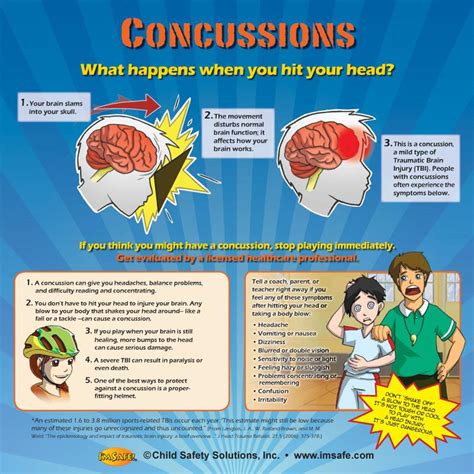
Concussion Signs and Symptoms
A brain injury can cause many physical, cognitive, and emotional changes. Concussion affects everyone differently, but symptoms can include:
- Physical symptoms: headache, dizziness, fatigue, blurred vision, nausea, vomiting, balance and coordination problems, sensitivity to light or sound
- Cognitive Symptoms: forgetfulness, confusion, difficulty concentrating, short-term memory loss, loss of taste or smell, problems retaining new information
- Behavioral changes: agitation, changes in judgment, restlessness, irritability, easily angered, feeling more overwhelmed or emotional
- Sleep disturbances: drowsiness, sleeping more or less than usual, trouble falling or staying asleep
Some people display concussion symptoms soon after being injured, while others do not notice changes until days after the accident. It’s also common for symptoms to change over time. It’s always wise to see a healthcare provider after any forceful impact to the head, even if you do not have obvious signs of a head injury.
Read also: Denver to Vail Road Trip
If you or someone you know has experienced severe head injury symptoms such as loss of consciousness, repeated vomiting, or weakness in the arms or legs, it’s crucial to seek immediate medical care. These may be signs of a more severe head injury that requires urgent medical treatment.
Concussion Symptoms in Babies and Young Children
Babies and kids who aren’t old enough to talk or communicate can still experience concussions. But it can be hard to know what they’re experiencing because they can’t tell you what happened or how they feel.
In addition to any of the symptoms above, your child may show other signs of a concussion, including:
- Fussing or crying more than usual.
- Refusing to eat or nurse.
- A blank stare.
- Being unusually irritable or cranky, even when they’ve had their usual amount of sleep or naps.
- Sudden changes in their sleeping patterns, including not falling asleep like usual or being sleepy at unusual times.
Concussions and Winter Sports: What’s the Connection?
When it comes to winter sports, there are some sobering statistics regarding head injuries. Head injuries account for approximately one-fifth of all skiing and snowboarding injuries among children. Concussion rates are highest among children, young adults, and beginners, highlighting the prevalence of this issue and the need for caution.
And, for skiers and snowboarders of all ages, traumatic brain injury is the most common severe injury reported. Up to 42% of ski-related head injuries are severe enough to cause concussion symptoms.
Read also: In-Depth Sundance Snowboarding
If we look at concussion rates in ice hockey, the statistics are also concerning. An estimated one-third of concussions in youth sports are attributed to ice hockey. Among the pros, nearly 90% of hockey players have had at least one concussion.
So, why are concussions so common in winter sports?
Skiing, snowboarding, and hockey are all high-speed activities that take place on wet, slippery surfaces. For skiers and snowboarders, the terrain can be unpredictable. Missing a turn, hitting an unexpected obstacle, or losing balance can cause a nasty fall or collision with another object or person.
For ice hockey players, collisions come with the territory. When a player collides with another player, the ground, or the wall at a high speed, that impact can force the brain to move inside the skull. Although most leagues have implemented rules prohibiting targeting the head, accidental head contact can happen when two players battle for the puck.
Winter Sports Concussion Prevention Tips
The good news is that there are things you can do to protect your head and brain when enjoying your favorite winter activities.
Read also: Types of Snowboarding Jumps
Always wear a helmet.
A well-fitting, certified helmet is essential for skiing, snowboarding, and ice hockey. Ice hockey helmets should be certified by a reputable organization to ensure they meet safety standards. It should sit flat on the head, covering the top and sides, with a snug but comfortable fit, stopping about 1/2 inch to an inch above the eyebrows. Having a helmet fit by a specialty shop trained in fitting can ensure correct fit and reduce the risk of injury. Generally, the same guidelines apply to skiing and snowboarding helmets, which should also be safety-certified. Helmets should fit snuggly to the top of goggles, leaving no gap in between. The helmet should never come down too low that it pushes goggles down or hinders vision.
Condition your body.
Conditioning improves endurance, flexibility, and muscle strength, preparing you to better withstand the demands of your winter sport. It also leads to greater balance and stability, improving your performance and lowering your risk of sprains, strains, overuse injuries, and falls, which are a leading cause of concussions. Because snowboarding involves constant leg and hip movement, doing exercises that strengthen both can help you avoid falling.
Use proper technique.
Practice and lessons are an excellent way to teach winter athletes how to fall safely. Proper form and technique can not only help you avoid concussions but also help you reduce your risk of musculoskeletal injuries like broken bones, sprains, and strains. You can work on your technique with a coach, instructor, or physical therapist who works with athletes.
Avoid risky maneuvers.
Always follow the safety rules and guidelines for your sport. Hockey players should avoid arm-to-head, foot-to-head, and head-to-head collisions with other players. Snowboarders and skiers should stick to designated areas and always be aware of their surroundings, including getting on and off chairlifts.
Take Breaks
Finally, when you are tired, take a break or stop altogether. The more fatigued your muscles, the less control you have on the slopes, making it easier to fall or run into something.
What Is Concussion Care?
Physical therapy for concussions is a safe, supervised treatment modality to improve areas of the brain affected by a brain injury: balance, coordination, gait, and stability. Concussion therapy has several components, each working to help winter athletes return to normal activities and reduce the risk of long-term complications. A comprehensive concussion care program includes:
- Treatment for pain and stiffness, including headaches
- Vestibular rehabilitation to reduce dizziness and improve balance and stability
- Cognitive therapy to improve memory, brain fog, and attention
- Baseline testing for winter athletes to compare pre-injury function and post-injury symptoms
- Return-to-play protocols for skiers, snowboarders, hockey players, and other athletes
- Education on concussion symptom awareness, safety practices, and injury prevention strategies
Every patient’s concussion therapy program is customized for their symptoms and therapy goals. As they progress, their concussion treatment plan is updated to continue meeting their needs until they are cleared for full activity.
What to Expect From Concussion Recovery
Concussion recovery generally happens in phases. The acute phase is the initial period when symptoms are most severe. Rest and symptom management are recommended at this time.
During the subacute phase, symptoms begin to improve, and the injured person can gradually return to light activities. In the recovery phase, most symptoms have subsided. The focus turns to return to full participation in activities at an appropriate progression determined by a healthcare provider.
While most concussions resolve within a few weeks, more severe concussions can last for several months or longer. Always follow your provider’s guidance for treating symptoms and safely and gradually resuming daily activities.
Immediate Steps After a Suspected Concussion
If a concussion is suspected during a sporting activity such as skiing, it is crucial to stop immediately to prevent worsening the condition. If you think that you or someone you know has a concussion, you should seek professional medical evaluation.
Concussion Recovery and Returning to Snowboarding
If you experience a concussion, it’s essential that you give your brain time to recover. A repeat concussion that occurs before the brain recovers from the first usually within a short period of time (hours, days, or weeks) can slow recovery or increase the likelihood of having long-term problems. After experiencing a concussion, you need to rest, both physically and mentally, so that your brain can recover from the injury. The Mayo Clinic recommends avoiding all activities that demand high amounts of concentration, including things like video games, television, schoolwork, etc.
As you recover, it’s essential to pay close attention to how your body is responding. After the initial recovery period, you can begin slowly incorporating mental and physical activities back into your life. But don’t try to rush back into everything you were doing prior to the concussion. Depending on your symptoms, your doctor may recommend doing only partial school or workdays, or that you take breaks during the day.
So when can you actually start snowboarding again after having a concussion Ultimately, thats a conversation you need to have with your doctor. At a minimum, all of your concussions symptoms should be resolved. Talk to your doctor about the timeline for getting back into snowboarding. As much as you want to get back on the slopes, be patient and heed your doctors counsel. It is important to monitor symptoms and cognitive function carefully during each increase of exertion. Athletes should only progress to the next level of exertion if they are not experiencing symptoms at the current level. If symptoms return at any step, an athlete should stop these activities as this may be a sign the athlete is pushing too hard.
Long-Term Effects and Awareness
Snowboarders Melissa Brandner and Manuela Mandl both experienced multiple concussions and the painful aftereffects that accompany them. We wanted to raise awareness around concussions in snow sports, action sports and how serious they can be and how even small ones can actually cause issues if you don’t take notice of it. There needs to be so much more talk about this. There can also be long term mental side effects and if people don’t know about it. Manuela and Brandner encourage just the opposite. They encourage you to rest and recover, giving your brain adequate time to heal. There is nothing more important than protecting your brain. If you do experience a concussion, be patient with the recovery process. It is important to monitor symptoms and cognitive function carefully during each increase of exertion.
I definitely think so. I think the frustrating thing is that when you have a torn ligament you have a plan and know when you will get better. But having a head injury, no one can tell you how long it will take to recover. If you try to get back too soon, you can make things worse.
tags: #concussion #from #snowboarding