Sled dog racing and transportation have deep roots in Arctic cultures, where hardy canines have been essential companions and workers. Various breeds have been developed and refined for this demanding task, each possessing unique traits that make them suited for life in the snow. Sled dogs served as a primary means of communication and transportation in harsh weather conditions. They played important roles in many significant moments in history.
Although sled dogs are still used for transportation in some rural communities in Alaska, Canada, and Greenland, their main role now lies in mushing. Sled dog breeds and their outdoorsy owners mush for recreational purposes. Plus, the fanatically devoted teams participate in events like the Iditarod and the Yukon Quest.
Billed as the “World Series of mushing events,” the Iditarod is 1,100 miles of sheer endurance. It begins with a ceremonial launch in Anchorage, Alaska, the morning of the first Saturday in March, with mushers running 20 miles to Eagle River along the Alaskan Highway, giving spectators a chance to see the dogs and their mushers.
The types of dogs that’ll be at the Klondike Dog Derby are mostly Alaskan Huskies, some Siberian Husky teams, some Hound- and Pointer-crossed dogs that do better with shorter distances, and maybe some Samoyeds, Malamutes, and possibly some even less common breeds.
Let's delve into the world of sled dog breeds, exploring their unique characteristics and the qualities that make them exceptional athletes.
Read also: Skiing, Mentorship, and Community
10 Most Attractive Sled Dog Breeds
What Makes a Great Sled Dog?
A good sled dog possesses a unique combination of physical and mental attributes that enable them to thrive in the demanding environment of sled dog racing or recreational mushing. The following five factors are paramount:
- Physical Attributes: First and foremost, strength and endurance are crucial. Sled dogs have powerful muscles and a high aerobic capacity, allowing them to pull heavy loads over long distances in harsh conditions. Most racing sled dogs also have a very efficient gait, or running style. Fur type varies by breed and purpose: freight dogs typically have dense, warm coats, while sprint dogs benefit from shorter coats for better heat regulation. Most sled dogs feature a double coat-an outer layer that repels snow and a waterproof inner layer for insulation, while their webbed feet provide traction on snow and ice.
- Temperament: Beyond physicality, temperament plays a vital role. A good sled dog should be energetic and enthusiastic, demonstrating a strong desire to run and work. This drive is essential for maintaining pace and motivation during long journeys. Equally important is a friendly disposition, both towards humans and fellow dogs, fostering teamwork and social cohesion within the team.
- Trainability: Intelligence and trainability are also key factors. A good sled dog should respond well to commands and be adaptable to varying conditions. Consistent training enhances their ability to navigate challenging terrains and respond to cues from their musher.
- Health: Overall health and resilience are essential. A well-cared-for sled dog will have fewer injuries and illnesses, ensuring they can perform at their best. A healthy, resilient dog creates a formidable sled dog capable of tackling the rigors of the trail, making them not just companions but true athletes in their own right.
- Appetite: Another critical factor is appetite; sled dogs require a high-fat diet to meet their caloric needs. Dogs that are picky eaters can pose challenges during long-distance races and/or extreme cold conditions.
You can train your dog to peak physical fitness, but a desire to run and work in harness is equally crucial for a team’s success. Mushers look for dogs that love to work in a team with other dogs and with the musher. Antisocial or aggressive dogs aren’t the right fit for this sport. Many sled dogs also must interact with fans and tourists year-round.
A musher looks for several qualities in a good sled dog. One of the most important is good feet. Long-distance races are tough on a dog’s body, and the feet bear the brunt of the work. A healthy appetite and a thick coat are also important. Picky eaters might not take in the necessary calories on the trail, which reduces their performance ability.
Mushers use voice commands. “Gee” (pronounced jee) is turn right. “Haw” is turn left. Those commands tell the dogs which path to take when approaching a split in the trail. Some lead dogs are more experienced and will lead by voice commands across large fields or lakes where there is no trail.
Read also: About Husky Dogs
There are other commands that are less universal. “Hike” means go; “whoa” means stop; “on by” means go past something. There are a variety of other words and variations that mushers use. Almost no one says “mush” anymore, but you may hear it from a musher or two.
The World of Sled Dog Breeds
Here, we explore some of the most prominent sled dog breeds: the Alaskan Husky, Siberian Husky, Malamute, Eurohound, Samoyed, Greenland Dog, and even some pet dogs that have taken to the dog sledding world.
Alaskan Husky
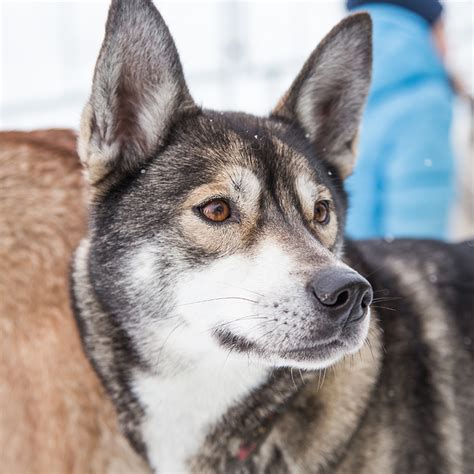
The Alaskan Husky is not a purebred dog but rather a mixed breed developed specifically for endurance and performance in sledding. This breed excels in speed and is often used in long-distance races like the Iditarod. Alaskan Huskies are known for their high energy levels, intelligence, and strong work ethic. They come in various sizes and colors, reflecting their diverse genetic backgrounds, but what unites them is their remarkable ability to run long distances in harsh conditions.
Although it’s true that those are sled dog breeds, the majority of racing sled dogs are actually Alaskan Huskies, which is not a “pure breed.” Alaskan Huskies are generally smaller and have shorter fur than some of the other breeds-Siberian Huskies are similar in size, but they are fluffier, so they might just look bigger.
Siberian Husky
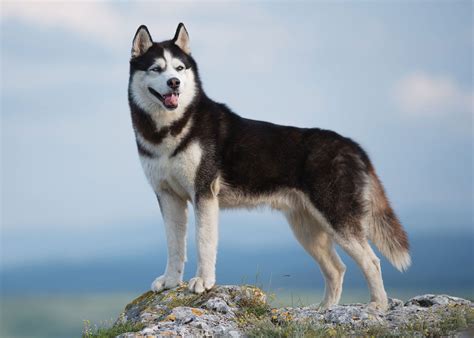
Originating from Siberia, the Siberian Husky is one of the most recognizable sled dog breeds. Known for their striking blue or multicolored eyes and thick double coat, these dogs were bred by the Chukchi people for both transportation and companionship. Siberian Huskies are friendly and social, making them excellent family pets, but they also possess a strong prey drive and need regular exercise. Their endurance and speed make them ideal for mid-distance races, though they can sometimes be independent and stubborn.
Read also: Skating Rinks Open Today
Siberian Huskies were first bred by the Chukchi people of northeastern Asia several thousand years ago, who treasured the breed's ability to haul loads over long stretches of frozen tundra. Although not as large as some other dogs on this list, Siberian Huskies have tremendous endurance and work exceptionally well in teams.
Perhaps the most famous sled dog of all was “Balto,” a jet-black Siberian Husky. He was the lead dog of the team that carried diphtheria serum on the last leg of the relay to Nome during the 1925 diphtheria epidemic. The lead dog of the 53-mile final leg, Balto, would become famous for his role in the run. However, many argue that it was Siberian Husky lead dog, “Togo,” who was the true savior of the day.
Alaskan Malamute
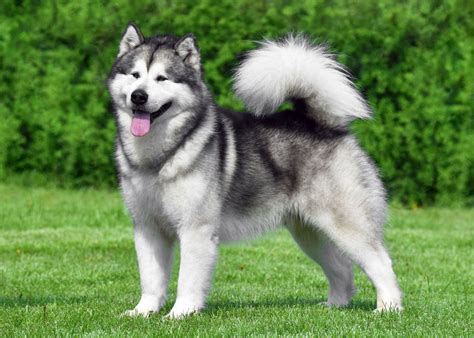
The mighty Alaskan Malamute is a champion of cold-weather endurance. Despite their North American name, Malamutes are thought to have traveled from Siberia to Alaska across the Bering Strait thousands of years ago, according to the American Kennel Club. Mals are inherently hard workers who take their duties seriously, so they tend to be on the stubborn side. If you don't train your Mal from the get-go, they might see themselves as the pack leader and ignore your commands.
The Alaskan Malamute is one of the oldest Arctic sled dog breeds, developed primarily for hauling heavy loads rather than racing. With their powerful build and incredible strength, Malamutes are suited for pulling sleds over long distances. They have a thick, fluffy coat that protects them in extreme cold. Malamutes are known for their loyalty and affection toward families but require proper training and socialization to manage their independent nature.
The larger breeds, like Malamutes, are more of a freight-hauling dog; they pull a lot of weight and travel long distances, but they do it slowly and are less suited for racing.
Eurohound
A newer breed developed for competitive racing, the Eurohound is a hybrid of the German Shorthaired Pointer and the Alaskan Husky. This breed is known for its incredible speed and agility, making it a favorite in sprint races. Eurohounds are leaner than traditional sled dogs and possess a high prey drive. Their intense energy levels require experienced handlers who can provide ample exercise and mental stimulation.
Samoyed
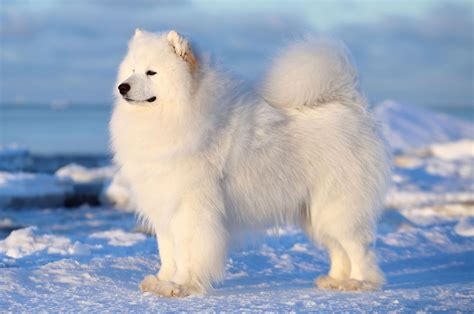
Originally bred for herding reindeer and pulling sleds in Siberia, the Samoyed is known for its cheerful disposition and fluffy white coat. While they are not as commonly used in racing as other breeds, they have a rich history in sledding. Samoyeds are friendly and sociable, making them great family pets. Their adaptability to various conditions and their strong bond with humans make them reliable companions in the snow.
Another fluffy sled dog breed from Siberia, Samoyeds sport an all-white double coat that helps keep them warm in the harsh Arctic conditions. Their roles have included everything from herding reindeer and hunting bears to warming their human partners and transporting supplies. Sammies are as mischievous as they are graceful, so it's important to start training early and often. They have a happy-go-lucky attitude with a perpetual smile to match.
Greenland Dog
It'd be a challenge to find a Greenland Dog outside its namesake island, as frigid conditions and isolation have kept them mostly apart from the rest of the world. With centuries of experience working alongside Greenland natives, they are fast sled dogs with great hunting prowess. Greenland dogs need a lot of exercise to stay physically and mentally fit, requiring up to two hours per day.
The Greenland Dog is a large, powerful breed originally used by the Inuit people for hauling sleds and hunting. These dogs have a thick coat, robust build, and remarkable endurance. Known for their work ethic, Greenland Dogs are often employed in traditional sled dog activities and have a strong instinct for teamwork. Their independence and intelligence require experienced handling, making them better suited for owners familiar with working dogs.
Other Sled Dog Breeds
Here are some other breeds known for their sledding abilities:
- Chinook: The Chinook's history began with an explorer named Arthur Walden, who founded the breed in New Hampshire in 1917 and wanted to develop a dog with speed, power, endurance, and a good temperament. They get along well with children and other dogs, and they're happy to obey commands.
- Bernese Mountain Dog: These natives of the Swiss Alps are distinguished farm workers with expertise in droving cattle, guarding livestock, and working as draft dogs (canines who pull sleds and carts). They make excellent hiking dogs and will accompany their pet parents just about anywhere.
- Norwegian Elkhound: These big-chested furry friends have been braving the Scandinavian climate since as early as 5,000 B.C. In addition to pulling sleds, Norwegian Elkhounds have been employed for hunting bears, wolves, moose, and even elks throughout the ages.
- Yakutian Laika: Developed in northeastern Russia, the Yakutian Laika has long been a faithful and functional companion. Like many dogs on this list, they have a rich history of herding, hunting, and moving supplies.
Pet Dogs
Interestingly, many pet dogs can be trained for recreational dog sledding. Breeds like Labrador Retrievers and mixed-breed dogs can thrive in this environment if they have the right temperament and energy levels. While they may not have the same stamina as dedicated sled dog breeds, they can still enjoy the thrill of running in front of a dog sled with the proper training and encouragement.
Qualities of a Musher
To put it simply, a musher is someone that drives a dog sled team. The musher might not seem like a very important part of the team because they stand or sit on the sled… however, the musher is everything to the dogs. The musher is the coach, guide, navigator, troubleshooter, strategist, facilitator, chef, dietitian, hydration consultant, masseuse, medic, pedicurist, dentist, chauffeur, groomer, security guard, psychiatrist… and so much more. Most of a musher’s work is performed when the team is resting.
Sled Dog Lingo
Here are some common terms used in the world of sled dogs:
| Term | Definition |
|---|---|
| Booties | A type of sock that is made to protect the dog’s feet from small cuts and sores. |
| Dropped Dog | A dog that the musher has dropped from his team at a checkpoint. |
| Lead Dog | Dog who runs in front of others. |
| Gee | Command to lead dog to pull the team out straight from the sled. |
| Jumble Ice | When the ice gets so thick that the water has nowhere to go, it pushes up and over the ice. |
| Neck Line | A long chain with shorter pieces of chain extending from it. |
| Gang Line | Collection of lines to which dogs are attached. |
| Runners | The two bottom pieces of the sled which come in contact with the snow. They extend back of the basket for the driver to stand on. Runner bottoms are usually wood, covered with plastic or Teflon. |
| Siberian Husky | Medium sized (average 50 pounds) northern breed of dog, recognized by the American Kennel Club. |
| Slat | Thin strips of wood which make up the bottom of a wooden sled basket. |
| Snow Hook | Heavy piece of metal attached to sled by line. |
| Swing Dog | Dog that runs directly behind the leader. Further identified as right or left swing depending on which side of the tow line he is positioned on. |
| Wheel Dogs | Dogs placed directly in front of the sled. |
The Bond Between Musher and Dogs
Most mushers will tell you that they have never taught a dog to pull. Once mushers put a harness on them and hook them up, the dogs do the rest. They do what they love. It’s amazing to work with animals that don’t have to be taught-they just live their life the way they love to live it.
Words cannot describe the bond that a musher has with his or her team. The passion that sled dogs have for this lifestyle is so obvious, it’s contagious! That’s why mushers love it so much, too. It’s very rewarding to work with a team of dogs and to help develop and advance their skills. The dogs are so full of joy! They live a life that they can be proud of.