Huskies are renowned for their sled-pulling capabilities and their ability to thrive in cold environments. The one thing that many of these famous dogs have in common is their ability to lead the charge on sled teams, pulling their handler along the frozen ground for miles at a time. Huskies are proven to be one of the best breeds for sled pulling and the ideal dog for sled pulling in the snow.
Originally bred by the Chukchi people in Siberia to pull sleds over long distances, Huskies have become synonymous with winter adventures. Perhaps their most enchanting feature is their eyes-blue, brown, or one of each. Huskies are known for their wide range of vocalizations. Their double coat isn’t just for show-it’s a vital shield against extreme cold, allowing them to thrive in temperatures as low as -60°C (-76°F). Huskies regulate their energy during long runs by alternating between galloping and trotting, maintaining speed without getting exhausted.
Sled dog racing and transportation have deep roots in Arctic cultures, where hardy canines have been essential companions and workers. Various breeds have been developed and refined for this demanding task, each possessing unique traits that make them suited for life in the snow.
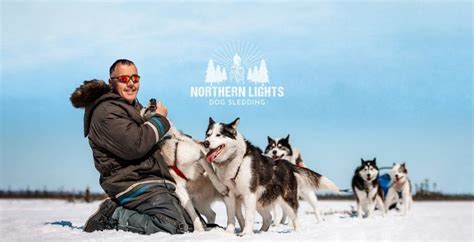
Siberian Huskies Excitedly Pull Sleds on Snowy Day - 1277355
What Makes a Good Sled Dog?
A good sled dog possesses a unique combination of physical and mental attributes that enable them to thrive in the demanding environment of sled dog racing or recreational mushing. The following five factors are paramount:
- Physical Attributes: Strength and endurance are crucial. Sled dogs have powerful muscles and a high aerobic capacity, allowing them to pull heavy loads over long distances in harsh conditions. Most racing sled dogs also have a very efficient gait, or running style. Fur type varies by breed and purpose: freight dogs typically have dense, warm coats, while sprint dogs benefit from shorter coats for better heat regulation. Most sled dogs feature a double coat-an outer layer that repels snow and a waterproof inner layer for insulation, while their webbed feet provide traction on snow and ice.
- Temperament: Beyond physicality, temperament plays a vital role. A good sled dog should be energetic and enthusiastic, demonstrating a strong desire to run and work. This drive is essential for maintaining pace and motivation during long journeys. Equally important is a friendly disposition, both towards humans and fellow dogs, fostering teamwork and social cohesion within the team.
- Trainability: Intelligence and trainability are also key factors. A good sled dog should respond well to commands and be adaptable to varying conditions. Consistent training enhances their ability to navigate challenging terrains and respond to cues from their musher.
- Health: Overall health and resilience are essential. A well-cared-for sled dog will have fewer injuries and illnesses, ensuring they can perform at their best. A healthy, resilient dog creates a formidable sled dog capable of tackling the rigors of the trail, making them not just companions but true athletes in their own right.
- Appetite: Another critical factor is appetite; sled dogs require a high-fat diet to meet their caloric needs. Dogs that are picky eaters can pose challenges during long-distance races and/or extreme cold conditions.
The World of Sled Dog Breeds
Here, we explore some of the most prominent sled dog breeds: the Alaskan Husky, Siberian Husky, Malamute, Eurohound, Samoyed, Greenland Dog, and even some pet dogs that have taken to the dog sledding world.
Read also: Strength of Sled Dog Breeds
Alaskan Husky
The Alaskan Husky is not a purebred dog but rather a mixed breed developed specifically for endurance and performance in sledding. This breed excels in speed and is often used in long-distance races like the Iditarod. Alaskan Huskies are known for their high energy levels, intelligence, and strong work ethic. They come in various sizes and colors, reflecting their diverse genetic backgrounds, but what unites them is their remarkable ability to run long distances in harsh conditions.
Siberian Husky
Originating from Siberia, the Siberian Husky is one of the most recognizable sled dog breeds. Known for their striking blue or multicolored eyes and thick double coat, these dogs were bred by the Chukchi people for both transportation and companionship. Siberian Huskies are friendly and social, making them excellent family pets, but they also possess a strong prey drive and need regular exercise. Their endurance and speed make them ideal for mid-distance races, though they can sometimes be independent and stubborn.
Alaskan Malamute
The Alaskan Malamute is one of the oldest Arctic sled dog breeds, developed primarily for hauling heavy loads rather than racing. With their powerful build and incredible strength, Malamutes are suited for pulling sleds over long distances. They have a thick, fluffy coat that protects them in extreme cold. Malamutes are known for their loyalty and affection toward families but require proper training and socialization to manage their independent nature.
Eurohound
A newer breed developed for competitive racing, the Eurohound is a hybrid of the German Shorthaired Pointer and the Alaskan Husky. This breed is known for its incredible speed and agility, making it a favorite in sprint races. Eurohounds are leaner than traditional sled dogs and possess a high prey drive. Their intense energy levels require experienced handlers who can provide ample exercise and mental stimulation.
Samoyed
Originally bred for herding reindeer and pulling sleds in Siberia, the Samoyed is known for its cheerful disposition and fluffy white coat. While they are not as commonly used in racing as other breeds, they have a rich history in sledding. Samoyeds are friendly and sociable, making them great family pets. Their adaptability to various conditions and their strong bond with humans make them reliable companions in the snow.
Read also: Skiing, Mentorship, and Community
Greenland Dog
The Greenland Dog is a large, powerful breed originally used by the Inuit people for hauling sleds and hunting. These dogs have a thick coat, robust build, and remarkable endurance. Known for their work ethic, Greenland Dogs are often employed in traditional sled dog activities and have a strong instinct for teamwork. Their independence and intelligence require experienced handling, making them better suited for owners familiar with working dogs.
Pet Dogs
Interestingly, many pet dogs can be trained for recreational dog sledding. Breeds like Labrador Retrievers and mixed-breed dogs can thrive in this environment if they have the right temperament and energy levels. While they may not have the same stamina as dedicated sled dog breeds, they can still enjoy the thrill of running in front of a dog sled with the proper training and encouragement, and as dryland and urban mushing continue to expand and become popular the pet dog will inevitably gain prominence as people find enjoyable ways to exercise with their dogs.
Training Your Husky for Sled Pulling
But while Huskies are bred to be pulling champions, they still require training, often from very early on when they are still puppies.
Sled pulling is not something that a Husky can do right from the get-go. Like any major sport or job that a dog participates in, there must be training that can prepare them for the physical requirements that the job entails. For sled pulling, dogs must be physically fit enough to be able to pull the average sized human along with the sled they ride on, while maintaining formation if they are within a sled dog team.
Training sled dogs begins with leash training and then requires a proper pulling harness to be fitted. From there, a Husky puppy will go through weight training until he can reasonably be expected to pull a person on a sled, though, this usually doesn’t happen until the dog is full grown in order to reduce stress on growing joints and muscles. Sled training is a process and not one that can be easily skipped. Consider that you may spend up to a year training your puppy for true sled pulling.
Read also: MLine Pro Deck: Three-Season Performance
Before anything else, be sure that your puppy is cleared by a veterinarian to begin training. He should be vaccinated and in good health. If he is sick or injured, training should not begin until he is fully recovered.
You’ll need to invest in several items for sled training. First, is a leash harness that is used for walking as normal. A sturdy leash is also necessary. Second is a pull harness, which is specially made for dogs who pull objects. These two types of harnesses are NOT the same. Be sure you are looking for the right items when purchasing them.
Sled dogs travel at an average speed of 25 to 30 km/h (15 to 18 mph) on journeys of around 40 km (25 miles) long. On longer trips, the average speed drops to 16 to 22 km/h (10 to 14 mph), even in bad conditions.
Racing sleds weigh a mere 9 to 13.5 kg (20 to 30 pounds), so the lighter the load the faster the dogs can pull. Speed can also be dependent on how recently it has snowed. The soft, fresh snows make it harder to pull the sled, while the rails can slide easily and quickly over icy roads.
Dog Sledding: An Ancient Tradition
Dog sledding is an ancient means of transport and a cultural tradition, which finds its origins deeply embedded in the history of human civilization. Dog sledding originated, as far as archaeologists can determine, among the native and Inuit people in the northern regions of modern-day Canada, back in 6000 BC. It allowed communities to cross vast territories of frozen ground, haul supplies and even hunt wild animals for survival. While some northern populations still use dog sledding to travel across icy tundra, today it is primarily used for entertainment and competitive sport.
Also known as mushing, dog sledding involves harnessing a team of dogs to a sled and guide them through snow-covered terrain. A person who travels by dog sled is called a "musher," that's why we often call the practice "mushing". The dogs on a musher's dog sled team are chosen carefully; each dog has a specific job to do: the dogs are connected to one another by a lengthy "gangline" that runs through them. The "lead dog," who stays ahead of the pack, is regarded by many mushers as the most crucial animal in the group. "Swing dogs" assist the lead dog in turning the pack by trailing behind it. The "team dogs" follow the swing dogs, giving them more speed and momentum.
Key Roles in a Dog Sled Team
| Role | Description |
|---|---|
| Lead Dog | Stays ahead of the pack and is crucial for navigation. |
| Swing Dogs | Assist the lead dog in turning the pack. |
| Team Dogs | Follow the swing dogs, providing speed and momentum. |
The sled is usually driven by a professional musher. Mushers know the area like the back of their hand and take great care of the animals. Some activities do offer the chance for participants to perform a self-drive dog like for example in Kopperå, Norway, where you will be driving on your own with a professional guiding you along the way. Driving the sled yourself is a more interactive way to enjoy dog sledding and it's also a chance to experience what it’s like to be a real musher. The instructor will explain how to manage the sled, how to stop, and how to give the right commands to the dogs.
Preparing for a Dog Sledding Adventure
When preparing for a mushing excursion, it's essential to dress appropriately to stay warm, comfortable, and protected. Here are some recommendations for clothing :
- Winter jacket: be sure to wear a warm jacket that is water-resistant or waterproof!
- Snow pants: we suggest you put on some insulated pants to keep you legs warm to protect them from snow, cold wind and negative temperatures.
- Gloves: keep your hands warm and opt for gloves with a good grip since you may handle equipment or ropes.
- Hat and scarf: covering your ears and neck from the icy winds is very important!
- Layering: dress in layers to trap the heat to your body and provide flexibility in adjusting to changing temperatures.
- Winter boots and wool socks: to prevent cold-related injuries and maintain comfort and mobility by keeping your feet warm.
- Sunglasses: to protect your eyes from glare and snow blindness with UV protection.
Also, it is recommended that you bring a backpack with the following items:
- A very warm blanket
- You can also bring a thermal flask, snacks, and bottled water
- High-protection sunscreen, to apply on exposed skin, especially on your face to protect against sunburn!
Frequently Asked Questions About Dog Sledding
Here are some common questions you might have before you book your dog sledding activity...
How old do you need to be to ride on the sled?
The age requirement for riding a sled can vary on many factors like local regulations, safety guidelines, and sled operators. However, in most cases, the minimum age required to ride on a dog sled is 2 years. In general, children as young people can enjoy a mushing ride under adult supervision, especially on gentle slopes and controlled environment! Parents need to look for the age recommendations of the operator before booking a dog sled excursion, it is essential to prioritize safety.
What is the maximum weight and number of people?
The dogs can pull a maximum weight of 200 kg (440 lbs) per sled. Therefore, generally, one sled can accommodate two to three people maximum. Some sleds, do permit extra riders, however, these sleds are bigger and pulled by more dogs.
In some activities, the sled professionnals will provide the guidance concercing the weight of passengers to ensure the well-being of both dogs and adventurers during the excursion.
Do you need to know how to ski?
No, you don't need to know how to ski to enjoy a dog sledding excursion. It is a separate activity from skiing, and it doesn't require any skiing skills. However, if your dog sledding adventure includes remote and challenging terrain where skiing might be necessary for transportation or exploration, then knowing how to ski is beneficial.
Everything depends on the package you decide to choose. The excursions vary according to the length of the route, so it can last anywhere between 20 minutes to 5 hours. Some guides even offer multiple day-long tours through the arctic tundra.
What breed of dogs pull sleds?
Dogs of various breeds from all over the world are bred specifically for sledding. Alaskan Huskies, for example, are a mixture of Siberian Husky and Alaskan Malamutes, they weigh around 18-34kg (40 to 75 lbs). Alaskan Malamutes are heavier, and stronger, weighing up to 54 kg (119 lbs). The Canadian Eskimo dog is another kind of sled dog, used mostly for pulling in Arctic Canadian regions.
The Chinook is a rare breed of sled dog with great endurance. Then there are Greenland dogs, who are slow but can pull for long distances. Lastly, Siberian Huskies, are used commonly to pull sleds. They are smaller than a malamute but stronger. Samoyeds are also used occasionally but are historically prized more for their beauty. Some sled dogs can travel long distances, from 8 to 130 km (4 to 80 miles) or more, in a single day!
How many dogs are there per sled?
Depending on the weather conditions, the team is composed of 6 to 20 dogs. Each dog has a specific place in the line and a specific function within the team. The leaders of the pack, of course, take their places at the front of the sled.
Where to Experience Dog Sledding
Discover the most picturesque destinations to go dog sledding. From the pristine landscapes of Scandinavian countries to the large Canadian territory, embark on a thrilling adventure...
- Kiruna, Sweden: Situated slightly to the north of the Arctic Circle, it offers typical Arctic winter conditions, such as frozen and snow-covered landscapes. Going on a dog sledding excursion in Kiruna is the best way to enjoy the wilderness of Swedish Lapland!
- Tromso, Norway: Dog sledding is a great activity in the Tromsø region because of its arctic nature, the polar and Northern lights, and the breathtaking views. Thanks to the Gulf Stream's warming effect, the temperatures near Tromsø are surprisingly mild for the latitude. Enjoy a comfortable one-hour sled ride or go on a full-day dog sledding excursion, while taking endless photos of the expansive scenery and happy dogs!
- Quebec region, Canada: In Canada, winter brings abundant snow which makes this spot a perfect place to practice winter sports! Dog sledding in Montreal offers a unique blend of urban accessibility and winter adventures. The Quebec province's wilderness and large territory encompasses rugged mountains, dense forests, frozen lakes providing a stunning backdrop for mushing excursions...
You're probably wondering if it is possible to try dog sledding at night? Of course you can, and you'll even have the chance to enjoy a breathtaking view of the Northern Lights. This spectacular natural phenomenon, also known as Aurora Borealis is visible in six Nordic countries: Finland, Norway, Sweden, Iceland, Northern Canada and Scotland. However, you can also admire them in Northern Japan, Russia and Alaska.
With appropriate timing, you’ll be able to combine the pleasures of admiring the Northern Lights while on a thrilling night dog sled ride. For example, if you head to Finland for this winter, you can try this unfrogeattable experience in Rovaniemi: the Northern Lights and husky dog sledding activity! Because you just need to relax and enjoy the thrill of riding through the surrounding wilderness and nighttime winter landscapes! Your guide will be driving the dog teams, so you just have to enjoy the beautiful colors in the winter sky.
Dog sledding at night under the Northern Lights offers a magical experience.
Can you still ride on a dog sled without snow?
Yes, it is possible. When there is no snow, the blades can be replaced by wheels. The sled then becomes a cart that the dogs can pull- called a Cani-Kart. There is even a derivative of this, called Cani-Scooter!
What weather conditions could prevent your dog sled trip?
Some weather conditions can prevent sledding activities from happening on a given day. Heavy rain or storms can cause cancellations.
If the weather is too warm and there isn’t much snow, you will have the option to ride in the Cani-Kart.
Do you get to feed the dogs?
In most cases, you do not. Some activities do offer this option, so if you’re looking to feed the dogs make sure to ask. It is not a good idea to give them anything if not specifically directed to do so by the mushers. This is because if you give them something they aren’t used to it, can upset their stomachs.
Are you allowed to take photos with the dogs?
Yes of course, and you can even go see the dogs before the hike and take a selfie with them to get better acquainted! So, don’t forget to take your smartphone or a camera with you. By being respectful and gentle with the animals, you can capture memorable moments with the sled dogs while ensuring their safety and well-being during your experience.
How much does a dog sled trip cost?
Everything depends on the destination and the duration of the trip. Dog sledding can be fairly expensive because it costs a lot to properly feed and care for these dogs. They are athletes and need to be treated as such. Therefore, prices reflect this. Prices average around €180 per person for a half-day adventure in Tromso, Norway. Some activity options reach over €2000 for a 6-day expedition through the snowy Taiga in Tromsø, Norway for example. However you can find affordable activities that will cost you around 80€ for example with the dog sledding in Koppera, Norway.
Can the dogs get hurt during mushing?
While injuries can occur in any physical activity, the fully responsible musher prioritise the health and safety of their dogs. Moreover, we are committed to offering activities that meet the standards of safety and respect for animals. It's important to acknowledge that despite precautions, the risk of sled dogs getting hurt does exist: they can get into scraps, and get their paws injured on the ice, but it's rare. If it happens, the guides are very experienced and know how to deal with these potential issues: they are ready to take proactive measures to mitigate risks and provide the best possible care for their canine athletes.
About a possible passenger accident, you’re already insured for this activity and once you’re sitting in the sled, there’s very little that could happen to you.
Is dog sledding dangerous?
In dog sledding, like in many outdoor activities, the professional guides are dedicated to ensuring the safety of participants and the well-being of the sled dogs. Their expertise allows them to manage any risks associated with the activity effectively, providing proper instruction, guidance and supervision throughout the excursion. However, if you suffer from back pain or if you are pregnant, it’s probably better to avoid going on the dog sled. In fact, the rugged terrain and potential sudden movements on the sled may pose risks for those with certain health concerns. Therefore, you should consult with a professional before participating in dog sledding to ensure it's appropriate for your specific circumstances. Safety is paramount, and it's essential to prioritize your well-being when considering participation in adventurous activities like dog sledding.