Starting a skating business is a great chance for entrepreneurs who want to join a community-focused industry. Ice skating keeps getting more popular, making this a perfect time to plan your business. Success depends on smart planning and attention to many key pieces. This piece gives you all the details about starting a skating rink business and compares roller and ice skating venues.
The skating business continues to grow at an amazing pace in both roller and ice segments. People’s behavior after the pandemic shows they want safe, fun ways to socialize and stay active. Skating attracts people of all ages. Modern technology helps skating businesses run smoothly. Customers can book sessions online, which cuts down wait times and makes everyone happier.
The market looks promising, but starting a skating business has its hurdles. New owners often feel surprised by day-to-day operations. Weather affects both types of skating businesses. Smart facility design can make or break long-term success.
The choice between roller and ice facilities makes a significant difference when learning how to start a skating business. Your location’s demographics, available money, and skating experience should guide your final choice.
A solid plan forms the foundations of any successful skating venture. You need methodical preparation to start a skating business. Your business plan works as a roadmap and helps secure funding. Skating rinks usually take 12 to 24 months to become profitable. This timeline changes based on your startup costs, customer traffic, and management effectiveness.
Read also: Winter Fun at Hamilton Ice Arena
Initial Investment and Startup Costs
Starting a roller skating rink needs serious money. Business owners spend between USD 500,000 to USD 1.5 million to launch their rink business. Ice rinks cost even more money. New rink owners often miss some key startup costs.
External financing becomes crucial unless you have your own money. Calculate exactly how much money you need before you ask for funding. Bookeo’s appointment scheduling software makes life easier for new skating rinks. The system handles session bookings, party reservations, and lesson scheduling to maximize your facility’s use.
Here's a breakdown of the initial costs associated with opening an ice skating rink:
- Property acquisition: Buying property ranges from USD 400,000 to USD 3 million.
- Equipment and fixtures: Each pair of rental skates costs USD 75-250, and protective gear adds USD 30-150 per set.
- Technology investments: Modern rinks need booking software, point-of-sale systems, and inventory tracking tools.
The upfront costs aren’t just big - they have many moving parts you need to think over.
Key Capital Expenditure Items
The two largest capital expenditure items posing immediate financial risk for the Ice Skating Rink are the refrigeration system and the ice resurfacer, totaling $600,000 out of the $903,000 initial outlay. You must split the $903,000 funding need by using equipment financing for the chiller and long-term debt or equity for the initial inventory and working capital buffer.
Read also: Ice Skating in Great Neck
Here's a look at some of the major expenses:
- Refrigeration Chiller System:
The refrigeration chiller system is a $400,000 capital outlay critical for year-round operation. This $400,000 estimate covers the core Refrigeration Chiller System hardware. This is a major piece of the initial CapEx budget.
Your inputs must include detailed installation quotes, factoring in piping, concrete work, and specialized labor needed to guarantee consistent sub-freezing temperatures. You must secure firm installation quotes now to lock in the total cost for maintaining ice quality. This expense is non-negotiable for an indoor rink business model.
Don't just accept the first installation quote; competitive bidding is key here. Look for used or refurbished chillers only if warranties cover the first two years of operation. A common mistake is underestimating annual maintenance contracts, which should be budgeted separately from the initial build.
Even with the system installed, high utility costs are coming. Expect significant electricity usage to keep the ice frozen, especially during peak summer months.
Read also: Ice Skating at AZ Ice Gilbert
- Ice Resurfacer and Technician Training:
Securing the ice resurfacer and initial technician training demands $275,000 in startup capital. This purchase covers the $200,000 machine and $75,000 for the Head Ice Technician’s initial salary/training period. This startup cost covers the primary piece of maintenance equipment and initial specialized labor. You need firm quotes for the machine and a clear budget for the technician’s first few months of work.
This $200,000 purchase is a critical path item; lead times often exceed 12 weeks. Delaying this order pushes back the refrigeration system tests and prevents scheduling the Head Ice Technician for hands-on work.
You can’t negotiate the machine price much, but you can control the technician’s onboarding timeline. If training takes too long, churn risk rises for that key role. Try structuring the $75,000 salary component as a bonus tied to successful certification rather than pure salary burn.
- Initial Skate Inventory:
You need to allocate $100,000 upfront to buy the initial skate inventory. This purchase directly supports the capacity needed to handle the 50,000 projected public skating visits scheduled. This $100,000 covers buying all the skates required for public rentals. You must calculate the required number of pairs based on peak capacity needs, not just the 50,000 annual visits.
Don't buy everything new; check refurbished options from closed rinks. Quality matters here because cheap skates drive immediate customer dissatisfaction and higher maintenance costs. Underestimating skate needs causes immediate service failure when volume hits. If you only buy enough for 40,000 visits, those extra 10,000 people in 2026 face long waits or no rentals, killing revenue potential.
- Facility Technology:
You'll need $105,000 dedicated to facility technology to manage admissions and boost entertainment appeal effectively. This covers the dynamic sound and lighting necessary for themed events, plus the core POS ticketing system essential for accurate revenue capture from every transaction.
The $105,000 total investment splits between ambiance and administration. We budget $75,000 for the Sound Lighting System to create the unique atmosphere promised to guests. Since these are setup costs, get firm, fixed quotes now to avoid surprise overruns later. For the $75,000 lighting budget, prioritize durability over flashy features initially, as maintenance costs can quickly erode margins.
Your POS accuracy directly impacts your ability to handle volume; if the system stalls, you lose revenue.
- Pre-Opening Staff:
You must budget cash to pay key staff, like the General Manager, before the doors open. This non-revenue-generating expense covers essential setup time. For a 3-month runway, you need to set aside $26,250 just for this critical role. This cost covers salaries for essential personnel needed to prepare the facility before the first ticket sells.
If the GM earns $105,000 annually, covering three months requires $26,250 in dedicated startup cash. Avoid starting full payroll too early; hire key people strategically. If onboarding takes 14+ days, churn risk rises, but paying them for 90 days of setup is better than rushing. Defintely delay the Head Ice Technician hire until month two to save $7,500 initially.
Remember this labor cost sits on top of the $54,000 in pre-opening fixed overhead for rent and utilities. If you need 3 months of GM salary, your total pre-revenue cash drain before opening day is substantial.
- Facility Rent and Utilities:
You need $162,000 cash reserved just to cover three months of facility rent and baseline electricity before the first ticket is sold. This category covers essential, non-negotiable costs incurred before revenue starts. We calculate this by taking the $32,000 monthly lease and adding $22,000 for base utilities, totaling $54,000 monthly.
Managing fixed overhead starts before signing. Negotiate the lease commencement date to align closely with operational readiness, minimizing rent paid while construction finishes. Failing to fund this three-month runway ($162,000) means you are betting heavily on immediate, high-volume sales to cover bills.
- Working Capital Buffer:
You need to fund the $146,300 working capital buffer right now. This figure covers the $133,000 minimum cash projection for September 2026, plus an essential 10% contingency layer. This buffer shields the business from short-term cash flow gaps until operations stabilize.
Inputs needed are the projected negative cash balance date, which is September 2026, and the required minimum cash level of $133,000. You manage this buffer by aggressively monitoring operating cash flow, especially after launch. Avoid common mistakes like underestimating the ramp-up time for new programs, like skating lessons. Setting aside the full $146,300 buffer is defintely non-negotiable for survival past September 2026.
Factors Influencing Ice Rink Costs
Building an ice rink comes with several variables that can push your budget up or down. Location, size, construction methods, and material choices all influence how much you’ll spend. Understanding these factors early helps you estimate both the upfront investment and the ongoing maintenance costs with far more accuracy.
The size and layout of an ice rink significantly influence construction costs because larger surfaces require more materials, labor, and time. Costs also rise when projects include additional spectator areas, wider dasher boards, or multi-use layouts. NHL and Olympic-size rinks typically require higher-capacity refrigeration systems and thicker ice floors, which further increases overall expenses.
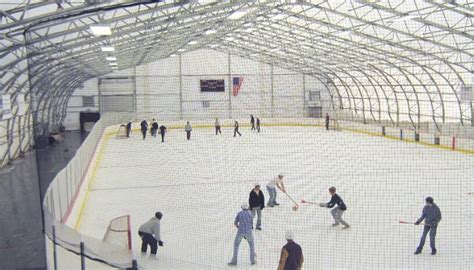
Indoor and outdoor ice rinks provide distinct skating experiences and have unique construction needs and costs. Indoor ice rinks require a building structure, climate control, and insulation to maintain a consistent ice surface. Size is a major contributor to the overall cost, so if you can get away with a smaller sheet of ice, you can save a tremendous amount of money.
In contrast, outdoor ice rinks have lower initial costs but may require more maintenance due to weather exposure, especially when it comes to maintaining center ice. Additional costs, such as labor, equipment, and extra amenities or features, must also be taken into consideration. Outdoor ice rinks require a simpler construction process, with costs ranging from $25,000 to $150,000. Even though the construction costs are lower, outdoor ice rinks still need to consider recurring expenses like water and electricity for maintaining the ice.
The materials and construction approach you choose have a significant impact on total ice rink costs. Higher-quality materials may increase upfront expenses but often deliver greater durability, better ice quality, and lower long-term operating costs. Indoor rink projects often require additional components that elevate the budget, including steel framing, roofing, insulation, vapor barriers, and architectural finishes.
Rink features like dasher boards and glass also vary widely in cost. Standard boards and basic acrylic offer affordability, while high-impact glass, flexible board systems, and professional-grade safety features significantly increase the price.
Location has a substantial impact on both construction and long-term operating costs. Soil quality, the level of site preparation required, and local permitting processes can all influence your upfront budget. Remote areas may face higher transportation and labor costs, which can add to the overall project total.
Refrigeration and HVAC Systems
How an Ice Rink works
Refrigeration is one of the biggest cost drivers in ice rink construction. Your choice of refrigerants, chiller capacity, and overall system efficiency directly affects both upfront investment and long-term operating costs. These systems can operate as either direct or indirect refrigeration. In an indirect system, the refrigerant cools a secondary fluid (often glycol) that circulates beneath the ice.
Installing an ice rink refrigeration system typically requires several days, often up to four, depending on the setup.
Ice facilities rely on specialized HVAC systems to control temperature, manage humidity, and keep the ice surface stable throughout changing conditions. These systems must be sized to handle frequent air exchanges, spectator heat load, and the moisture created by resurfacing equipment.
Amenities and Facilities
Amenities and facilities, such as locker rooms, seating areas, and concession stands, can enhance the customer experience and increase profitability. Setting up a concession stand at an ice rink may also contribute to the overall cost. You can opt for a pre-made booth or construct a new medium-sized concession stand.
Constructing your booth rink will be more expensive than getting an already constructed one.
Refrigerated vs. Synthetic Ice Rinks
During the planning phase of your ice rink project, comparing refrigerated and synthetic ice rinks is important to decide the most suitable option for your specific needs. Refrigerated ice rinks utilize real ice created by freezing water and require constant maintenance and resurfacing.
The cost of constructing a synthetic ice rink is typically lower than that of a refrigerated ice rink. Besides lower acquisition and maintenance costs, synthetic ice provides several other advantages. Synthetic ice rinks provide a safe and enjoyable experience for skaters of all levels and require minimal maintenance to perform optimally.
Synthetic ice, a substitute for traditional ice rinks, offers benefits like lower acquisition and maintenance costs and environmental advantages. The estimated acquisition costs for synthetic ice can range significantly, beginning at a few hundred dollars and escalating to several thousand dollars for larger rinks.
By offering a more affordable option compared to traditional ice rinks, synthetic ice allows for the creation of ice rinks in locations and climates where maintaining a refrigerated ice rink would be cost-prohibitive or environmentally unsustainable.
Maintenance expenses for synthetic ice are considerably less than traditional ice rinks, as there’s no need for refrigeration systems or ice resurfacing gear. The only maintenance needed is regular cleaning and in most cases the application of lubricants or other maintenance liquids.
Financing Options
Financing the construction of an ice rink can be a substantial challenge, but there are several alternatives that can help fund your project. These options provide flexibility for funding the project.
Here are some potential financial resources:
- Small Business Loans
- SBA-Guaranteed Loans
- Private Investors
- Grants
- Public-Private Partnerships
DIY vs. Professional Installation
Building an ice rink involves a mix of technical choices and budget considerations, including everything from site conditions and rink size to materials, refrigeration, and ongoing maintenance. Understanding how these factors interact makes it easier to plan realistically, whether the goal is a refrigerated facility or a simpler synthetic setup.
Ice rinks are generally not too expensive to maintain. Quality and performance are almost always compromised on a DIY hockey rink. If you decide to build a DIY rink, there are some good guides on how to do it.