Snowmobiling in Montana offers access to the wide-open spaces of its backcountry, providing a thrilling experience for riders of all skill levels. With over 4,000 miles of groomed trails, Montana is a paradise for sledders. Whether you have your own sled or are planning on renting, you’ll find what you’re looking for.
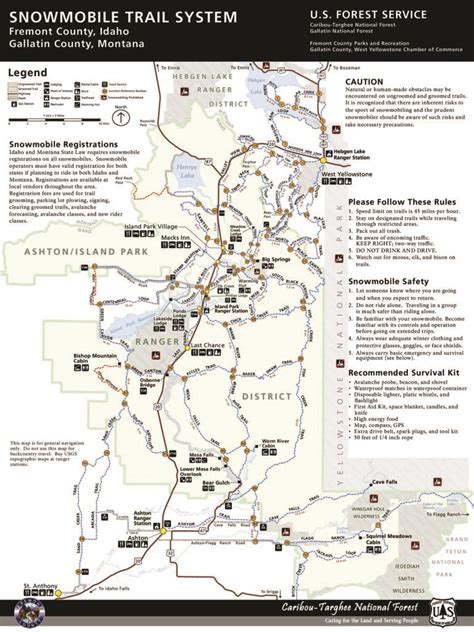
Just about all of Montana’s communities have local trail access, leaving you plenty to explore. In some areas, those traveling by skis, snowshoes, and snowmobiles must share the same routes and areas. Be a savvy sports enthusiast.
Where to Ride: Trail Systems Across Montana
Southwest Montana
Southwest Montana offers thousands of miles of incredible terrain, perfect for snowmobilers of any ability. Check out the groomed trails, but don’t discount the thousands of acres of accessible National Forest.
- Trailhead: Eight miles southeast of Deer Lodge, featuring a total of 91.5 miles of marked trail, 59 miles of which are groomed.
- 200 miles of groomed trails: Highlights include Coolidge and Elkhorn mines and Reservoir Lake. Major groomed trails heading west and north interconnect with Wisdom/Jackson and Wise River trail systems.
- Helena: There are 175 miles of groomed snowmobile trails in three major trail systems within 30 minutes of Helena.
Western Montana's Glacier Country
Let’s be real, Western Montana is a paradise for sledders. With plenty of room to roam, powdering through sweeping mountain-meadow playgrounds, deep untouched backcountry, rugged ridgelines, frozen alpine lakes, logging and Forest Service roads, and ghost towns is easy.
With so much winter terrain to explore-4,000+ miles of groomed trails in Montana-we’re sharing eight trail systems in Glacier Country to help you unleash your inner powder hound. Slay the snow in Western Montana.
Read also: Explore Montana Skiing
Here are some notable trail systems in Western Montana:
- Skalkaho Pass: Skalkaho Pass between Georgetown Lake and Hamilton is a scenic and popular alternative to Interstate Highway 90 in the summer. In the winter the road is closed to automobiles, creating a treasure trove of trails with spectacular views of tall peaks and steep canyons. One of our better-kept secrets, this trail system is less crowded and perfect for a scenic road ride with family or in groups with beginner riders. The Skalkaho Pass area boasts 26 miles of groomed trails, connecting with open areas plus ungroomed trails with a variety of terrain. The Skalkaho-Sleeping Child-Rye Creek area has 32 miles of groomed trails, looping around in higher elevations, through a burn area and back to the head of Rye Creek.
- Seeley Lake: With world-class terrain and breathtaking views, Seeley Lake is a popular destination for snowmobilers. Tucked between the Mission Mountains and the Swan Range, it receives some of the earliest and heaviest snowfall, and, with more than 350 miles of groomed trails, it’s a local favorite. Popular trails include Double Arrow Lookout, with views of the Swan Range and Clearwater Valley and Lake Elsina, a scenic 15-mile loop and site of Sunday cookouts with the Seeley Lake Driftriders Snowmobile Club and Marshall Lake. BONUS: Sled the burn-thousands of acres between Seeley Lake, Ovando and Lincoln opened up when a wildfire cleared out dead underbrush in the area, leaving premier snowmobiling terrain. Get trail updates from Seeley Lake Driftriders. Ride closed Forest Service and logging roads.
- Garnet Ghost Town: For a truly unique snowmobiling experience, consider the Garnet Ghost Town trail system. Here, 116 miles of steep climbs and flat trails lead back to the historic Garnet Ghost Town-accessible only by ski, snowshoe and snowmobile in the winter. Picturesque views of the Blackfoot Valley, the Mission Mountains, the Bob Marshall Wilderness and the Pintler Range make for an especially beautiful ride. Bonus: Cabins at Garnet Ghost Town are available for rent in the winter.
- Lolo Pass: From Lolo Pass, 250 miles of groomed interconnecting trails weave between the Lolo and Clearwater national forests on the Montana-Idaho border. East Fork, Lost Park System, Elk Meadows and Moose Ridge are just some of the trails that lead deep into the heart of the Bitterroot Range, with plenty of sweeping mountain meadows and frozen lakes along the way. Adrenaline seekers can test their mettle in the challenging backcountry terrain. A parking pass is required and available for purchase at Lolo Pass. BONUS: After a hard day of riding, soothe your aching body in the mineral waters of Lolo Hot Springs. Get Trail updates from Missoula Snowgoers.
- Kootenai Country: Hundreds of miles of groomed trails crisscross the Kootenai Country region. Several stunningly scenic trails stick out: The Purcell Mountains offer 60+ miles of loop trails; the rugged Keeler-Rattle Trail System boasts mesmerizing views of the Cabinet Mountain Wilderness; the Pete Creek Trail weaves through mountain bowls and over alpine lakes; and the Grave Creek/Ten Lakes Trail begins at Birch Creek Recreation Site and leads all the way to the Canadian border. BONUS: If you start in Troy, you can sled right into Libby for food, drinks and warm western hospitality. Get trail updates from Lincoln County Snowkats and Troy Snowmobile Club.
- Haugan: Climb your heart out in Western Montana’s backcountry. Haugan offers snowmobiling opportunities for all abilities. Extensive riding options and a family atmosphere make it a true hidden gem for snowmobilers. Easy-to-intermediate trails and loop tours begin right off the interstate in the Lolo National Forest. Popular groomed trails include Ford Hill/Old Mullan Pass, Packer Creek/Randolph Creek, Milwaukee/Dominion, Big Creek, Deer Creek/ Up Up and Taft Summit. Get trail updates from Montana Nightriders Snowmobile Club.
- Flathead Valley: Bordering Glacier National Park, the Flathead Valley is a sled head’s dream destination. With 200+ miles of groomed trails and nearly 2,000 miles of Forest Service roads, the area has phenomenal hill climbing, powder play areas and awe-inspiring ridgetop views of Glacier and the Canadian Rockies. Don’t miss Desert Mountain with 25 miles of marked and groomed trails, or the Skyland and Stillwater trails. Near Whitefish, ride the back of Big Mountain on the Canyon Creek Trail System-80 miles of groomed and ungroomed trail. A spur trail will take you to the top of Big Mountain where you can grab lunch and a cocktail at Whitefish Mountain Resort’s Summit House. In the Swan Valley, the Crane Mountain trail system is one of the area’s best-kept secrets, with 38 miles of groomed trails and 100 miles of ungroomed logging roads and plenty of open meadows, too. Get trail updates from Flathead Snowmobile Association.
- Marias Pass Trail Complex: Straddle the Continental Divide at northwest Montana’s Marias Pass Trail Complex. Rugged and remote, this trail system is perfect for intermediate and expert riders, with 45 miles of groomed and 35 miles of ungroomed trails. Favorite routes originating at Marias Pass include Two Medicine, Skyland and Pike Creek. Guides are advisable on this trail system where steep slopes and sudden storms make for extreme weather conditions.
Glaciers to Geysers: For a park-to-park adventure, take a Glaciers to Geysers sled tour. Find itineraries, trails, resources and snowmobile club information for traveling between Glacier National Park and Yellowstone National Park.
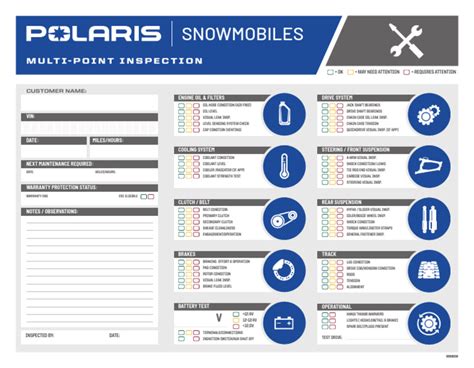
RIDING MISTAKES - Improve your riding
Cooke City
Cooke City is a true snowmobile town with trails leading literally out one end of town. Whether you’re new to the area, accessing fresh backcountry zones, or new to sledding, there’s a trail that’s right for you. We have over 200 miles of groomed trails! Most trails are freshly groomed weekly, the average snowfall on the summit is over 200 inches annually. We have a colder snow which results in an exceptional fine powder experience.
- Daisy Pass Snowmobile Route: Daisy Pass is the quickest ride of our first 3 trail recommendations.
- ROUND LAKE SNOWMOBILE ROUTE: Cooke to Round Lake is our 2nd recommendation, with a longer ride and access to some big open lake beds for hooning around.
- Lulu Pass Snowmobile Route: Lulu Pass is our third recommendation for once you’re more comfortable on your sled. The groomed trail ends before the last hill climb to the top of the pass. It’s a wide open one that you’ll be able to make up as long as you give er some gas.
Due to "The Plug" of Highway 212 during Winter, Cooke City is only accessible by snow machine from Dec 1st until Spring (Date is Weather Dependent). "The Plug" is a 9 mile stretch of groomed trail from Pilot Creek, WY to Cooke City, MT.
Important Information for Snowmobilers
Registration and Permits
Snowmobiles operating on public land must be registered and display decals placed in a conspicuous space on the left side of the cowling. Montana residents must register their snowmobiles at the County Treasurer's office in the county where the owner resides. Residents must purchase a Resident Winter Trail Pass to legally ride on any of the 4,000 miles of groomed snowmobile trails in Montana. Trail Passes are valid for two seasons and are $20 per machine. Nonresidents must purchase a Nonresident Winter Trail Pass to legally ride on any of the 4,000 miles of groomed snowmobile trails in Montana. Trail passes are valid for one season and are $35 per machine.
Read also: Crans-Montana Ski Information
In addition to all this, operators of snowmobiles are required to have in their possession a current Montana conservation license if they plan on riding on any State trust lands. Conservation licenses are available on line or at any vender who sells hunting licenses.
Trail Passes apply to all “mechanized equipment” including snowmobiles, motorized snow bikes, and fat tire pedal bikes. Anyone using groomed snowmobile trails for recreation is asked to please contribute and purchase the Trail Pass. The revenues go directly to grooming the trails, purchasing groomers, etc.
Trail Passes are available seasonally from October to April. You may purchase your Resident Trail Pass or Nonresident Snowmobile Permit through the Online Licensing System. You can also purchase a Nonresident Temporary Use Permit or a Resident Trail Pass at any of the vendors in Montana, Idaho, Washington, and Wyoming.
Safety and Awareness
It is your responsibility to know and follow established rules and regulations. The Montana Snowmobile Safety Course is available online. You may work at your own pace through the courses. At the conclusion of the instruction, you will take a final exam. Nonresidents may wish to contact their state snowmobile association or the agency responsible for their state's snowmobile education program to find a snowmobile course offered locally.
Snowmobiling is a fun and exciting sport the whole family can enjoy. Check ice and weather conditions before riding. Never travel alone. The performance of a pre-ride inspection is paramount to a safe, stress-free ride.
Read also: Ensuring a Great Ski Season at Montana Snowbowl
The safest snowmobiling rule is never to cross lakes or rivers. Remember, if you can ride and turn in any direction, without boundaries, so can other riders. If you do snowmobile on the ice, make absolutely sure the ice is safely frozen. Don't trust the judgment of other snowmobilers. You are responsible for your own safety. Drowning is a leading cause of snowmobile fatalities.
Learn to recognize avalanche areas and avoid them. Carry avalanche rescue equipment including a transceiver, probe pole and shovel, and know how to use them. Be avalanche aware. Always check the Montana avalanche report before you head out. You can rent a transceiver with your sled, or take a guided tour from one of many outfitters in the area. For additional avalanche safety tips as well as groomed trail information, information on passes and permits, visit Western Montana’s Glacier Country and Glaciers to Geysers.
Trail Etiquette
- Do not litter trails or camping areas.
- Do not harass wildlife.
- Do not interfere with hikers, skiers, snowshoers, ice fishermen, or other winter sports enthusiasts.
- Operate at minimum speeds near other recreationists and do not accelerate until well beyond those on foot.
- Stop and yield the trail to dogsleds.
All winter recreationists should be aware that they have an impact on wintering wild animals, most notably that disturbing or displacing them causes them to burn more energy.
Montana Snowmobiling Season
The Montana snowmobiling season is from mid-December to April, with some variation, of course, due to yearly snow fluctuations and location. Snow conditions are powdery early in the season, with hardpack developing as the season progresses. Temperatures vary widely, but generally average in the 20s to 30s range, although it’s common for the mercury to dip below zero. Snow depths range from one to three feet at lower elevations and from six to 15 feet in the mountains.
Snowmobile Clubs
Local snowmobile clubs are a great resource. Check with the nearest snowmobile club before heading into an area so they can hook you up with trail details. MSA volunteers educate other riders about safety, outdoor survival and avalanche awareness. Others host fun rides, charity rides and special events throughout the season. In short, these snowmobile enthusiasts work hard so snowmobilers can play hard!
The Great Falls Snowmobile Club is taking a more active interest in the American Council of Snowmobile Associations. We invite everyone to check out their site and stay abreast of all the latest issues regarding snowmobiling and access to our beautiful country.
Seventeen out of the twenty dollars the state collects from these passes is returned to the clubs for, maintenance and equipment! This money buys replacement groomers and associated equipment, which no club could afford on their own.
Grant Programs
Montana Fish Wildlife & Parks is proud to administer 11 grant programs. These grant programs help provide funding for recreational opportunities - both motorized and non-motorized, habitat improvement, conservation efforts, education opportunities and more.
Of the 11 programs, 5 are related to trail construction and maintenance and 3 are critical to winter recreation (RTP, TSP and the State Snowmobile Grant Program).
Each program is specifically linked below--for the main FWP Grant site, visit: FWP Grant Programs
- Snowmobile Program: Supports trail grooming, the purchase and repair of grooming equipment, safety education, public outreach, and law enforcement. This grant funding is mainly available to all snowmobile clubs or regional organizations that perform trail grooming.
- Recreations Trails Program (RTP): Applications are typically due no later than January 15 - Annually.
- Trail Stewardship Program: The 2025 grant application cycle will begins from November 1 - January 15, 2026.
- Off-Highway Vehicle Program: The next application cycle runs November 15 - February 28, 2026.
- MSA Grants (New!): Additional support for clubs. All funding requests will be reviewed on a case-by-case basis and must have majority approval from the MSA Board of Directors.
So explore our snowy mountains and meadows, backcountry lakes, steaming hot springs and legendary ghost towns.
tags: #montana #snowmobile #trails