Like many, you may have a renewed taste for the outdoors. There is no doubt that this winter season will be atypical, with potentially higher crowds in resorts, more backcountry enthusiasts and many trying winter sports for the very first time.
When you are on the mountain, it is essential to protect yourself well against potential injuries. Nothing ruins a snowboarding trip faster than getting caught without the right gear.
This guide will go through everything you need to get out on the slopes confidently, allowing you the freedom to hit it harder, with more style and less worries. You may be wondering then, what gear you are going to need to stay safe, comfortable and stylish.
For those that have never been before, the first trip can be both exciting and nerve-racking. The anticipation of trying this epic activity should not be diminished by any potential anxiety as to what to expect. It is worth knowing that with snowboarding, two things are necessarily true - you are going to fall and you are going to be sitting on your butt in the snow a lot.
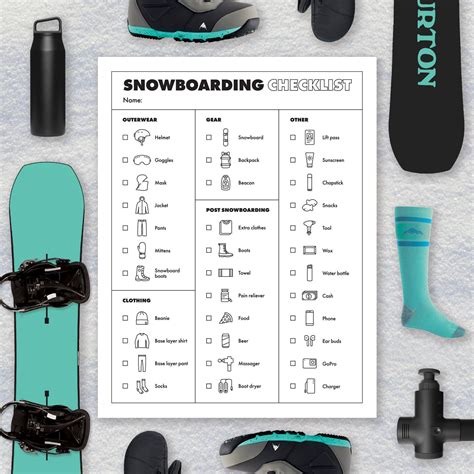
Essential Gear for Snowboarding
If you do not own a snowboard, boots or bindings, you will need to rent these from the resort. It is normal to rent these and they can be expensive to buy new, so don’t feel obliged to fork out unnecessarily. Let's take a closer look at each of these items:
Read also: In-Depth Sundance Snowboarding
Snowboards
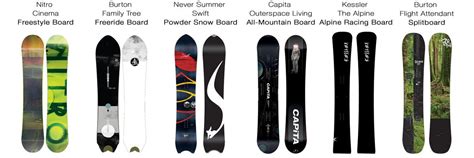
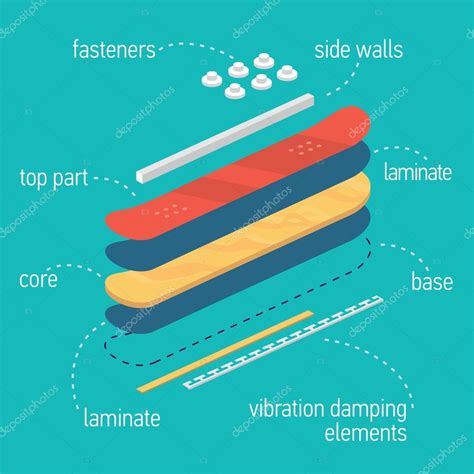
Choosing your first snowboard can be tough. There are different types of boards (alpine, freestyle, and freeride) depending on what style you want to try. These might all look the same, but the paint job is not the only difference between snowboards.
If you’re big into the sport, you might have a quiver of boards for varying conditions and styles of riding. If you’re new, you’ll most likely want a snowboard that is on the smaller side of your size range, this will give you more of an ability to manoeuvre the board.
Beginner boards are typically softer and have less aggressive edges. These can be more forgiving if you make mistakes and won’t take as much energy to flex and manoeuvre as an advanced board. Beginners often prefer freestyle boards, as they are shorter and easier to control.
Boards made for riding in terrain parks tend to be more flexible. They also have more of a dish-shaped base (called a rocker). A race board or something made to go fast might be stiffer so it can hold an edge at speed. They also can be longer which gives a more stable ride when you get going faster.
Backcountry boards are built wider to float on deep snow better and now come in a variety of shapes to aid in the ‘float’.
Read also: Types of Snowboarding Jumps
Bindings
Bindings will also come with your board. These fasten your boots to the board and come in different sizes to fit your boots. There are two main types of snowboard bindings that most people ride these days.
There are three main types of bindings - strap-in bindings, step-in, and speed entry bindings (a.k.a Rear Entry Bindings). There are others but they are rare these days and highly specialized.
- Strap-in: These are the most common bindings on the market. They come with two straps (toe and ankle), a chassis and a highback. They are generally highly customisable. Adjustable heelcup, forward lean, straps, gas pedal or canting, strap-in bindings can be tweaked to your liking and are suitable for any kinds or riding.
- Rear-entry: Rear-entry bindings have a hinged highback which can be lowered. This opens the rear of the binding and allows you to slide your boot in. To close it, just pull the highback up and lock the switch. It literally takes seconds and can be done on the fly. If you've never used it, the first tries can be a little tricky but rear-entry bindings are a real time saver.
There are also different types of binding mounting systems on snowboards that may only be compatible with certain bindings.
Boots
These specialised boots will connect you to your board through the bindings. Snowboard boots come in regular shoe sizes, but sizing can vary among different companies.
Boots come in an array of lacing systems, styles, flexes, and fits. You’ll want a boot that fits just right, as they’re one of the most important parts of your gear. As a beginner, you’ll be taking a few diggers and moving in all directions.
Read also: In-Depth Review: Demon Snowboard Protection
There are many things that go into building snowboard boots, but the biggest difference is how stiff they can be. Some are quite soft, which makes for a comfortable and smooth ride. Comfort comes with a tradeoff though, a soft boot will lack control on hard snow or at speed.
The opposite is true for stiff boots. While they can offer you more control over your board, they make for a less comfortable ride. You’ll always need to stay focused on your movements. A stiff boot can be less forgiving- shift your weight ever so slightly in the wrong direction and you’ll have caught an edge and be tumbling down the hill!
The stiffness of the binding front to back plays a large part in how your edges connect with the snow. The amount of torsional (twisting) flex in the bindings has an impact on the way your board will flex and react to your movements. Of course, the weight of the binding impacts your riding too.
- Stiffness: the stiffer the boot the easier it is to engage a turn but until you get muscle memory up you won’t have the fine motor control to effectively make use of stiffer boots.
- Lacing mechanism: this might sound odd, but there are several types of mechanism for lacing up boots and quite a few are not intuitive for the beginner boarder.
Protective Gear
Nothing ruins a day on the snow like an injury. Snowboarders are particularly susceptible to sprains and broken bones because they fall a lot when learning and because of the tricks they perform in the terrain parks.
Helmets
How to Choose a Ski and Snowboard Helmet & Sizing
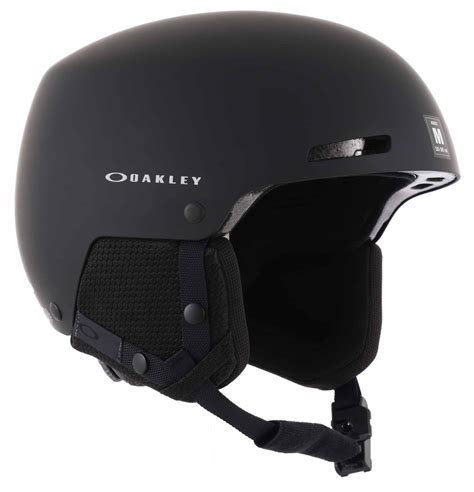
Gone are the days where only the “uncool” wore helmets. The majority of people on the slopes wear helmets now. Even if you trust your own ability, most injuries happen because of other riders! Nowhere is safe.
A helmet is really key for two reasons:
- Everyone else has one and sooner or later, you'll have a collision. You don't want to knock noggins without a helmet.
- If you're a novice, you will fall and you will whack your head ... and snow does not act as a cushion.
If you’re on a beginner slope you’re more at risk of being cleaned up by an out of control newbie. Your brain is the most important organ in your body, so wearing a helmet should be an easy decision. As a beginner, you may struggle with control, so protecting your head is paramount.
This should be obvious with all the research out there about safety and sports, however, helmets will give you some protection against concussions by lessening the blow and ultimately protect the rider from the potential of skull fractures.
You shouldn’t wear a beanie underneath your helmet as this will compromise the fit of the helmet, making it less safe to wear. Helmets have built-in insulation anyways, so you’ll be fine without.
Most helmets tend to be built for a single (large) impact. It’s unfortunate, but after a big collision, your new helmet won’t protect you as well as it used to. This is why I recommend against rental helmets. Not only do you avoid all the nasty sweat from strangers, but you have the peace of mind of knowing no one else has compromised the integrity of your helmet.
Pads
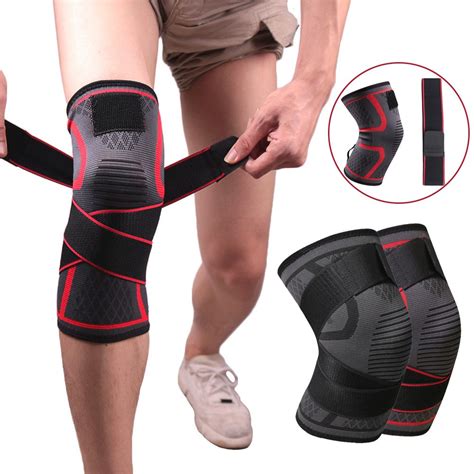
Snowboarding (and skiing) are extreme sports. Knee pads, elbow pads, hip pads, and butt pads are all designed to keep you from seriously injuring or bruising yourself on the slopes. So for whatever area you prefer to be protected, get yourself a pad.
Beginner snowboarders experience injuries to the wrists, knees, and ankles as they learn how to snowboard. If you would want to protect these parts of the body, invest in appropriate guards and pads. Knee and butt pads are readily available online and cheaply.
I would add knee pads to the list of items to buy, borrow, or steal as well, since--as a beginner--you will likely do a lot of falling and kneeling. After snowboarding for over 12 years, I still wear a pair of knee pads every time I go out. They're pretty cheap, easily fit under outerwear, and provide just enough protection to keep your knees from feeling like they're going to fall off at the end of your first day.
While skiers may benefit from the warmth and protection of padding around the derriere, padded shorts are generally more useful for snowboarders (especially those just starting out).
Admittedly, some people don’t like the bulky nature of many of these shorts. However, as with back protectors, the snow protection gear industry has advanced leaps and bounds, creating items that are incredibly comfortable and flexible while still providing ample protection.
For example, Rippl Impact Shorts are ergonomically designed to move with your body while still providing optimal impact protection. Not only do padded shorts offer protection, but if you are learning to snowboard, you are probably going to spend quite a bit of time sat on the snow. This can result in a very cold bottom if you don’t have the adequate insulation.
Back Protectors
Back injuries are uncommon for snowboarders, but when they do occur, they can be severe and long lasting. Back protection is a big one when it comes to skiing and snowboarding, especially if you are an adventurous rider who loves to explore the mountain.
While back injuries are not the most common injuries seen in ski resorts, they do happen and can be extremely serious when they do. For freeride and freestyle skiers, who are most at risk from falling objects, solid impact or awkward falls, back protection should definitely be something to consider.
Previously, back protection has been avoided by many due to its heavy, rigid, uncomfortable nature. However, with modern advances in technology, the SpineShield back protector shown above has become a lot more comfortable to wear.
Back protectors come in either a harness, vest or jacket style. It tends to just be a matter of personal preference that sets these apart; all have their various pros and cons.
- The harness style, such as the Rippl Impact SpineShield above, is often more solid than the vest, and can be lighter and easier to manoeuvre.
- The vest style however is extremely lightweight and can be more comfortable for some people, fitting easily onto your body and staying in place well. Although for some people the vests can get too hot.
- Finally, the jacket style offers all-round body protection, often including elbow, shoulder and chest protectors, but can also be very bulky, especially when worn between a base layer and an outer jacket.
Knee Pads and Braces
It has been estimated that knee injuries account for around 25-45% of all ski injuries. If you’ve ever known someone that has injured their ACL skiing, or done so yourself, you will know how debilitating knee injuries can be, particularly for ski-lovers.
Designed to cushion the force of impact, knee pads come in two types; hard and soft (like these Rippl Impact Knee Pads). If you already have knee problems, knee supports and braces are something we would definitely recommend to help you get the most out of your ski holiday while remaining as free of pain as possible.
There are many knee braces around, such as the discreet Ski Mojo brace, that takes up to a third of the strain off the legs, reducing impact, alleviating leg and knee pain and delaying muscle fatigue. It’s all about what works best for you and your specific needs, so make sure you do your research either online or by speaking to those in the know, such as your physiotherapist.
Wrist Guards
During a fall, the first natural movement is to brace yourself with your hands, especially for beginners. Even minor wrist injuries can take about eight weeks to heal. So buying a good pair of wrist guards is never a bad idea when you’re new to snowboarding.
Wrist protection is definitely something that is more important for snowboarders than skiers. If you’re a skier, you can probably get away without these, but as a boarder (particularly if you are a beginner), wrist guards can be incredibly helpful.
Snowboarders are much more likely to put their hands out to break their fall, which, if you fall the wrong way, can have devastating consequences for those precious wrists! Apparently, 40% of snowboard injuries are to the wrist and 24% of injuries are wrist fractures.
When it comes to wrist protection, you have two main options; gloves or mittens with inbuilt protection, or standalone wrist protectors that fit under a glove. As with back protectors, there are pros and cons for each.
Clothing: Staying Warm and Dry
Once you have the warm base layers, you need some snowboard-specific gear to keep you dry and for best performance on the snow. Wearing the right clothing on the hill goes beyond just a matter of style. You need attire that will keep you warm, but not too warm. Layers are the way to go.
Layering is key when dressing for a day of snowboarding. Start with your base layers of thermal underwear and a synthetic long sleeve shirt. Your mid-layer is your insulating layer. It should be a soft-shell (or fleece) jacket or pullover. Your next layer is your protective layer including your snow pants. They should be waterproof, and wind resistant.
Make sure you wear your waterproof socks, and maybe tuck an extra pair into your snowboard bag in case water or snow gets inside your socks. Gloves are very important as well. Don’t forget your goggles, buff and any other accessories you want to wear.
Make sure you only wear inner layers that are made of wool or a synthetic (polypropalene, nylon etc.) These will keep you warm even wet. A good snowboard jacket will have a wind and waterproof outer shell. The jacket should also be breathable, which means it will allow sweat to escape and keep you warm.
Like your jacket, your pants/salopettes also need to be weather-proof and breathable.
- Bib styles: High in front, these fasten with suspenders; they are a little warmer and less prone to snow getting inside than standard pants. If you like suspenders but not full-on bibs, you can buy those separately.
- Base and mid layers are worn...
Learning to Snowboard Later in Life
I learned to snowboard at 40 after 15 years skiing blues and blacks. I took one lesson the first year and decided that it was too hard , awkward and painful. I took one less then next year and again decided to go back to my skis. Finally on the 3rd year I took one more lesson and stayed on the snowboard for the next 2 days without retreating to the safety of my skis.
I totally caught the bug after that and haven't been on skis since. Snowboarding is exciting. The boots are really comfortable, the clothes are more relaxed you can wear any wild thing with the explanation “I'm a snowboarder”. I also really appreciate the fact I can sit down off to the side somewhere without little kids coming by to ask if I need ski patrol. They just assume I'm “one of those snowboarders”.
Snowboarding has a short steep learning curve that rewards mistakes quickly and forcefully. A lot of older folks aren't sure they want to try something that looks painful while learning to link turns, stay off the down hill edge and learn how to get on and off the lift. Experienced skiers are especially reticent to go through the learning process when they have years of skiing under their belt.
The learning period can be shortened with the right lessons and the discomfort can be reduced with some padding.
tags: #snowboarding #shoulder #pads