Whether you’ve always wanted to learn ice skating or you have kids who would like to learn, there are a few things to keep in mind before you step onto the rink. With the opening of an ice rink in your town, now is the perfect time to pursue this incredible and beautiful sport. Here are some great tips for beginning skaters to ensure you have a safe and enjoyable experience.
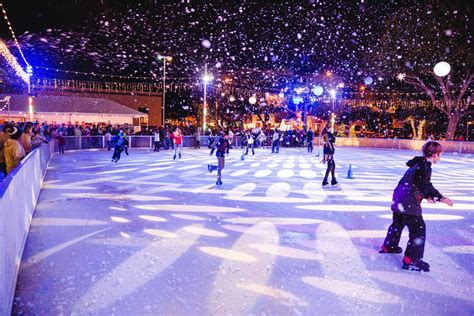
Image of people skating on an outdoor ice rink at night.
1. Dress Appropriately
Before you even step onto the ice, it’s important to make sure you’re dressed properly. It’s important to make sure that your skates are comfortable and appropriate so that you feel stable on the ice. Think of it like going to the gym - wearing something that limits your movement would make it harder to exercise properly. The same applies to ice skating. You need to be able to bend, stretch and move freely. You should also bring warm socks and gloves to protect your hands from the cold and ensure that you avoid blisters.
For skating, this means layers. You want to dress in warm, light layers that can be added or removed according to your ideal comfort. For example, wearing a vest will keep your core temperature up while allowing you to move around the ice.
For your ideal comfort, you want to wear thin socks that are either cotton or wool and are long enough to come up above the top of your skate boot. This will limit any unwanted friction and leave plenty of room for flair. Most gloves or mittens will work. But ideally, you want them to be warm, not too bulky, and water resistant if possible. Not only will gloves keep your hands toasty, they'll also help protect them if you fall. And chances are, when you're first learning, you're going to fall. And it's OK.
Read also: Learn to Ski: A Comprehensive Guide
2. Choosing the Right Skates
How to Ice Skate - Ten Tips for Absolute Beginners
It’s important to make sure that your skates are comfortable and appropriate so that you feel stable on the ice. Of all the ice skating tips for beginners, this one should not be ignored. If you’re going to ice skate long-term, invest in your own pair of ice skates. These skates will fit well, provide excellent ankle support and will have well-maintained blades. The skates should also have secure laces or buckles to secure your ankles.
Hockey skate blades are generally a little shorter and attach directly to the boot. These skates are tailored to quick turns and acceleration. They're even strong enough to protect against flying hockey pucks. Figure skate blades are generally a little longer, which means more contact with the ice. This can mean better balance for the beginning skater.
When choosing your skates, pick what feels right and what aligns with your goals and dreams for skating. Make sure your skates fit snugly but aren’t too tight. Figure skates have longer blades with a toe pick at the front, which is great for beginners since it provides added stability and helps with smoother gliding. They’re also ideal if you want to try spins or fancy footwork, since they’re designed with that in mind. Hockey skates feature shorter, curved blades that allow for sharper turns and faster movements, making them a top choice for those seeking the thrill of speed on the ice.
How to Lace Them Up
You're going to have a hard time on the ice if your skates don't fit correctly, so make sure to pick the right size. But a general rule of thumb is you may need to try on one to one and a half sizes down from your shoe size to find the right fit for you. This can vary from skate to skate depending on who makes it. It's always a good idea to try them on to make sure you have the right fit.
- Before sliding your foot in, pull up your pants hem so no fabric is caught between when you lace up.
- Loosen your laces all the way down to the bottom-- enough so that your foot slides in very comfortably.
- Pull the tongue up and make sure it's fully extended.
- For the lower laces by the toe, pull them tight enough to make sure they are snug.
- As you work up the middle of your skates, pull the laces tighter.
- When you're done and they feel snug, put a bow on it.
3. Getting Started on the Ice
Getting on the ice can be a daunting and sometimes a dangerous experience for new skaters. Start with a slow and gradual approach, especially if you’re a new skater. Before you start skating, try holding on to the side barrier or someone's hand so that you feel confident as you start moving. Once you first get out on the ice, you want to find a balanced position.
Read also: Comprehensive Guide to Snowboard Carving
Place your hands out in front of you like they're flat on a table around the middle of your body and bend your knees. You can use the boards to help support you while you're finding your balance. The next step is to start taking little marches, barely picking your feet up off the ice. Don't forget to keep those knees bent. This is going to help you get comfortable moving on the ice.
Before launching yourself onto the ice, take some time to walk around on your blades outside of the rink. Now, do the same thing on the ice while holding onto the side. Work up from holding on with both hands to only one hand to letting go of the boards and continuing to march. Take it slow and between every few steps, pause on both feet and push your knees forward.
4. Basic Skating Techniques
After getting comfortable on the ice, the next step is learning how to fall safely. Falling can be a bigger fear for adults than for children-kids have less fear and less distance to fall! But knowing how to fall correctly can actually boost your confidence on the ice, as you’ll feel more prepared for any slips. To build confidence, try practising controlled falls in a safe, padded environment - like on a gym mat.
Now that you're somewhat comfortable standing on the ice, it's time to start moving! Gliding is one of the easiest ways to move across the rink and is the foundation of all skating skills. After gliding, it’s time to move on to swizzles. Gliding is one of the easiest ways to move across the rink and is the foundation of all skating skills.
Two-footed skating is next, and swizzles are fun. To do a swizzle, begin with both feet squared under your hips (or slightly narrower). Angle your toes out and bend your knees, then push your feet laterally. Now, in a smooth motion, turn your toes back in and continue pushing your feet forward. It may be easier to start by holding onto the board with one hand and looking at your skates, but once you’ve learned the motion, keep your head up and let go of the side.
Read also: Winter Fun at Hamilton Ice Arena
Take a couple of steps to get some speed and then let your feet come together and slide across the ice. It should look something like this-- march, march, march, glide, march, march, march, glide. Now that we've got the hang of gliding on two feet, if you want to try getting your balance on one foot, you can try a one-foot glide. Start with a couple marches, do a two-foot glide, and then lift the toe up to the heel of your skating foot and balance for as long as you can.
Learning to stop is just as important as learning to glide. The snowplough stop is the most beginner-friendly method. The key to a successful snowplough stop is applying just enough pressure without overdoing it. Start by gliding slowly. Gently press the inside edges of your skates against the ice.
One of the most important skills for beginners to master is how to stop. Before we discuss stopping, we must look at the edges on an ice skate. The hockey stop graduates from the snowplow stop, so start there and turn both feet away from the body instead of one, making sure both feet are parallel.
Now that you’ve mastered two-footed skating and the snowplow stop, it’s time to work on gliding on a single skate. Think of it like riding a scooter: You stand on one foot and the other foot propels you forward. According to Stangalini, the most efficient push is from the T position. That’s where your back foot is perpendicular to your skating foot and pushes directly backward. You can also go down to a “V” where your pushing foot is at a 45-degree angle from your skating foot. Practice pushing off and gliding between each push.
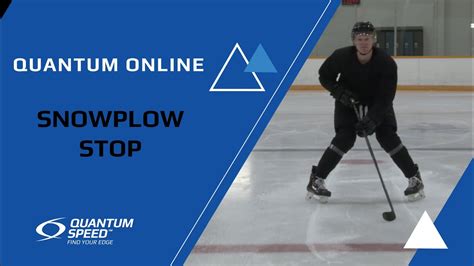
Image of the snowplow stop.
5. Falling Safely
Skaters fall... Falling backward and using your hands to brace yourself can lead to an injured head or wrist. So, you’re on the ground... Establish a comfortable sitting position and take a breath and laugh at yourself. Your next step is to turn over and get on your hands and knees. Use your hands on your knees to regain your balance at any time.
Falling on the ice is a bit scarier when your face is at least five feet from the ground. The fact that skates have a razor-sharp edge only adds to the risk. Stefano Stangalini, figure skating coach at Ice Centre, directs his students to bring their hands behind themselves and sit down. Other coaches simply have their students slowly squat and fall to one hip or the other. “Make friends with the ice,” Hughes jokes.
6. Turning and Navigation
Once you’re comfortable gliding and stopping, it’s time to add turning to your skill set. Turning allows you to navigate the rink with more confidence and control. Remember to maintain good posture and use your arms for balance as you turn. Point your toes in the direction you’d like to go.
Whatever rink you’re skating on, you’ll eventually have to turn. But if you’re maintaining good alignment, this is pretty simple: Gradually turn your head and shoulders in the direction you want to go. “It’s kind of like riding a bike,” Lane says. Your hips and legs should follow your shoulders, bringing you around the bend with ease. Depending on how fast you’re going, you may need to lean in that direction too.
7. Staying Safe and Comfortable
Getting on the ice can be a daunting and sometimes a dangerous experience for new skaters. Make sure you are being careful and smart so that you can focus on enjoying your time on the ice!
Try to keep your head up so that you can see what is going on around you, and move straight ahead while skating. To avoid getting hurt, protect your head and remember that sliding across the ice is better than falling flat. Always be careful and smart so that you can focus on enjoying your time on the ice!
Skating looks a lot easier than it is. Next time you visit a rink, be generous in giving yourself breaks. It’s important to pace yourself and take regular breaks to prevent fatigue and maintain safety on the ice. Overexertion can lead to tired muscles, which increases the risk of falls and injuries.
8. Post-Skating Care
After a skating session, it’s important to stretch to prevent muscle soreness and maintain flexibility. Skating works specific muscles in your legs, hips and lower back, so stretching afterward helps prevent stiffness and keeps you limber for your next time on the ice.
9. Maintaining a Positive Mindset
It’s easy to overlook your thoughts and feelings towards ice skating, especially as a beginner. Therefore, adopting a positive mindset when hitting the ice is important. Don’t be afraid of falling. Remember to maintain good posture and use your arms for balance as you turn.
10. Have Fun and Stay Consistent
Above all else, make sure to have fun and enjoy yourself while skating! Try to skate at least once weekly. Learning to ice skate is a marathon, not a sprint. It’s important to pace yourself and take regular breaks to prevent fatigue and maintain safety on the ice. Overexertion can lead to tired muscles, which increases the risk of falls and injuries.
Learn To Skate At Ice Rinks
Many ice rinks offer skating lessons. Lessons are for anyone looking to learn and develop the skill of skating. Located right in the heart of downtown, come enjoy the beauty and the storybook feeling. With cozy igloos and open fire pits, you can bring the kids and make an afternoon of it. Be sure to also visit the snack shack where you can enjoy the rink’s famous loaded hot cocoa or a bag of popcorn.