Helmets are the most important pieces of equipment for any sport, and it’s especially important to make sure that children wear a helmet whether they’re skiing or snowboarding. Along with the excitement and pride, there is also a persistent fear of getting hurt.
It can be challenging to avoid thinking of the ski slope as a collection of hazards that your child is just waiting to plunge headfirst into. The best helmet is undoubtedly the most crucial piece of ski/snowboard equipment you can purchase for your kids.
Snow helmets protect against blows, the weather, and provide crucial head protection.
Tips for Buying the Best Snowboard Helmet
What to Look for in a Kids' Snowboard Helmet
When shopping for ski helmets with your child you should always remember to bring your kids goggles and balaclava. Not all of this stuff fits together as it should, and making sure everything is compatible will save future headaches at the hill. Parents should look for:
- Proper Fit: You’re going to want to do something I like to call the shake test to see if it fits. That’s where you put the helmet on your kid and have them shake their head aggressively. If it rattles around it’s too big. If a helmet is too small it won’t fit all the way down on their head, and won’t cover their forehead.
- Rotation Protection: There are a ton of technologies that achieve this. We’ll talk about it more below, but a helmet with rotational protection is better than one without.
- A compatible fit with the goggles: Some goggles won’t sit properly with some helmets, either driving the helmet up off the forehead or driving the goggles down over the nose. Even if it fits their face, you really don’t want them messing with it. If you’re in a pinch and you are unable to try anything on before you buy it, it’s a good idea to buy a helmet from the same brand of goggles your child already has. Brands try to make sure their goggles work with their helmets. At the very least buy a helmet with a size adjuster
- Fit with balaclavas: A Balaclava takes up room in the helmet and you’ll need to size the helmet with one on if that’s what your child wears.
- An adjustment knob: The helmets that have the best fit and will last the longest will be helmets with adjustable fit systems. They let your kid wear a helmet with some growing room without the danger of the helmet rattling around on your kid’s head.
- Helmet + google combos: Having your kid’s goggles attached to the helmet is just another way to simplify your experience as a parent. Some goggles come attached at the sides and some helmets use visors instead of goggles.
Understanding Helmet Construction and Components
Just like running shoes differ from hiking boots, snow helmets are different from bike or skateboard helmets. They have specific features such as ear coverage, moisture-wicking liners and temperature-sensitive materials.
Read also: Features to Look For in a Toddler Snowsuit
Shell: The shell, or outer layer of the helmet, is a rigid surface (typically ABS high-impact plastic) that can help protect the head against sharp objects, knocks and abrasions. It also helps spread impact energy over a larger portion of the helmet during a fall.
Inner liner: This is typically made from EPS (expanded polystyrene) foam, the material that looks like Styrofoam®. It's designed to absorb impact. In a hard fall, the liner foam can get compressed, a condition that you may or may not be able to discern. A helmet should always be destroyed and replaced after a serious fall.
Types of Helmet Construction
In-mold helmets are made by attaching the shell and shock-absorbing foam in a single molding process. They are sleek and much lighter than injection-molded helmets.
Injection-molded helmets use an EPS foam bonded to a separate shell, usually made of high-impact ABS plastic. These helmets offer more durability against everyday knocks and falls compared to in-mold helmets.
Some helmets have detachable ear pads and liners for adjustable warmth.
Read also: Is the Gnu Antigravity Snowboard Worth It?
Key Features and Accessories
Vents: Vents bring cool air in and warm, sweaty air out. Some helmets have removable plugs, which means you need to take your helmet off to adjust the airflow. More desirable are helmets with adjustable vents. With the push of a lever you can instantly fine-tune your airflow level and not interrupt your ride.
Audio: Some helmets come with built-in speakers that let you listen to your MP3 player, cell phone or 2-way radio. For others, just add ear buds and you're ready to rock.
Liners: Detachable ear pads and drop liners let you customize how much warmth you need. Removable liners can be washed, which is nice after a sweaty on the mountain.
Goggles compatibility: There should be no gap between the top of your goggles and the helmet. Make sure the helmet fits snugly to the top of the goggles, but not so low that it hinders vision or pushes down the goggles.
Camera Mount: Helmet-mounted cameras such as the GoPro are a popular add-on, and some helmet styles now include a built-in camera mount.
Read also: Battle Bindings: Performance and Value
Hard case: A hard storage/travel case (sold separately) helps to keep your helmet looking shiny and new.
Safety Certifications
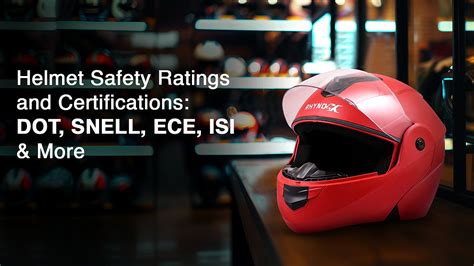
Snow helmets meet certain standards. Look for the ASTM sticker on the inside of the helmet to ensure its certification.
ASTM F2040: This is the most common snow helmet certification. All snow helmets sold at REI meet this certification.
CE EN1077: This is a European certification for alpine skiing and snowboarding helmets. Some also meet CE EN1077 standards, a European certification for alpine skiing and snowboarding helmets. Some helmets are certified to both ASTM and CE EN standards, though one could conceivably meet the CE EN standard but not the ASTM standard. Currently, a few snow helmets sold at REI have both endorsements. Some helmets like the Smith Summit Mips are also certified to EN 12492 standards for mountaineering.
Understanding MIPS Technology
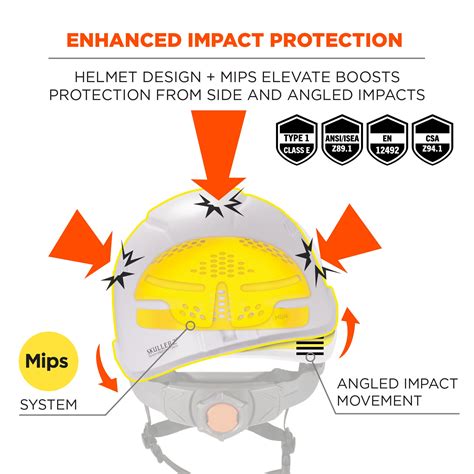
Today, almost all helmet manufacturers provide models with the ultimate rotational impact protection. Multi-directional Impact Protection Technology, or MIPS for short, is the most widely used rotational impact protection system for ski helmets in the USA.
MIPS is a development in helmet design that can offer more protection in some accidents. The Interior Foam Liner, Low Friction Liner, and elastomeric attachment system are the three primary parts of a MIPS-equipped helmet. The elastomeric attachment mechanism expands upon an angled hit, enabling the foam liner to autonomously rotate around your head.
To put it simply, MIPS enables your helmet's tough external shell and inner liner to stretch and slide during an impact.
Most helmet manufacturers either provide MIPS as standard features or charge a few bucks for it.
Different Rotational Protection Technologies
Your standard CSA or CPSC rated helmets have been rated for impacts that don’t induce a twisting force on the neck. The science is out and everyone agrees that most times when you beat your head off the ground your neck gets a good twist, too. That sudden twist of the neck, it turns out, can really add to the forces responsible for concussions.
Here are some popular technologies:
- Koroyd and Wavecell: Uses a formed plastic layer that can actually twist and tilt as it compresses which is how it absorbs twisting forces. Often you will see them used alongside Mips.
- Mips: Uses an internal slip liner, so the bulk of the helmet can slide around a little bit while the liner is secured to your head.
- POC SPIN technology: Uses little silicone pads instead of a plastic liner inside the helmets to allow twisting absorption.
- Atomic AMID technology: A combination of a slippery plastic liner and pads that twist and tilt as they deform.
Finding the Right Fit
Measuring your child's head is relatively simple to figure out the right helmet size. Measure the circumference of their head, right above the eyebrows, with a soft tape measure. The best technique to evaluate fit is to measure the largest area of the head. You are ready to go when you have the measurement and have identified the range that matches the helmet size.
In that case, we recommend sizing up because you can add a thicker beanie or hat that can often make up for helmets, or you can adjust the size by the adjustable dial and get even more use out of the helmet as they grow.
After the relatively straightforward process of selecting your size, the most crucial element is the helmet's size and shaping. Heads appear to fall into one of three categories: long oval, middle oval, or round oval. Ask a friend to examine your head from above to determine your head shape. Find out how other people perceive the same helmets to determine your head shape. Round-oval-shaped heads will experience more pressure above the temples. Similarly, Smith creates headgear for people with round faces.
Ski vs. Snowboard Helmets
There is no functional distinction between a snowboard helmet and a ski helmet. In light of this, choosing a ski or snowboard helmet is primarily a matter of style. You may be wondering why they have different labels. The answer is Marketing! It is the key to everything. Snowboarders and skiers wear the same helmets. Since the same mechanics are used in both helmets, they are identical.
Helmet Maintenance and Replacement
It’s a good idea to bring your child with you when you shop for their helmet. (Yes, this will ruin the surprise, but it’s worth it.) Have them try the helmet on and make sure there are no spaces between the padding and their head. The helmet should feel snug, but not so tight it will give your child a headache. The helmet should cover the head correctly.
Make sure the helmet protects your child’s forehead and covers the back of their head. It should sit 1 inch above their eyebrows in front and leave room for their head to move freely without rubbing against their neck in back. The helmet should work with goggles. Have your child put the helmet on over their goggles. Make sure they can see forward and on both sides. The helmet should not push the goggles down into an uncomfortable position on their face.
Fasten the chin strap. Your child should be able to fit no more than one or two fingers between their chin and the strap. Ask them to open their mouth and yawn. If they feel the strap pull the helmet down slightly on their head, it’s a good fit. If they don’t, tighten the strap and try again. Or see if a different helmet will fit better.
The impact foam in helmets is not as tough as you might think. As it ages it gets brittle and less able to absorb impact forces. After a good hard smack, the foam permanently compresses, so a second smack in the same spot will hurt a lot more than the first.
This is why all helmets have an expiration date and must be replaced after five years of use or ten years of shelf life. Even if a helmet has not been used for five years, it should be discarded after one hard impact.
Even unicorns need to protect their heads. recommend replacing a helmet every five years. replaced more often. helmet or if it becomes damaged, replace it.
Store the helmet in an area that does not get too hot or too cold. Do not sit or lean on the helmet or store it under something heavy. Wash the helmet with mild detergent and warm water periodically. Let it dry completely before the next use.
Great Helmet Options to Consider
Here are some great helmets to consider:
| Helmet | Description |
|---|---|
| KELVIN Snow Helmet ($55.99) | Perfect choice for kids, with a soft fleece liner, removable inner fleece liner and ear-warmers. |
| DIAMOND MIPS Snow Helmet ($109.99) | Features the MIPS system, removable audio-compatible earpads. |
| Smith Prospect Jr MIPS Ski Helmet ($130) | Designed with great care, includes a dual-stage liner, Koroyd foam, adjustable dial, and removable ear pads. |
| Anon Windham WaveCel Ski Helmet For Kids ($189.95) | Features a magnetic buckle closure, dial for fitting adjustment, passive ventilation channels, and WaveCel technology. |
| Smith Holt Jr. | Offers 4-season approval, Air Flow climate control, and Air Evac ventilation. |
Remember, helmets are the only piece of gear that I won’t suggest buying used. Better safe than sorry when it comes to noggins.
By finding a helmet that fits the best with their helmet and face mask and hopefully has some cool tech too, you can make sure your kid is that much safer on the hill.
We hope that this guide has helped you in your search for great ski gear for your kids.