As the weather turns colder, it's time to adapt your wardrobe to stay warm and stylish. While linen, fresco, and seersucker suits are ideal for summer, they won't suffice for winter. For the colder snap, you’ll have to flick a little further through your swatch book. Heavier weights for winter and transitional textiles for autumn are the key to sartorially surviving the dark days to come.
A suit is the cornerstone of a man's wardrobe, not just a piece of clothing to put on. Through a long evolution, there are millions of suits out there today. Great, we have countless choices to dive in, but how can we know which is the right one for us when considering styles, fits, events and more? That's why we introduce a list of the most typical suit types you may see in daily life as well as special occasions, where they're best meant for. Once paired with the right dress shoes, ties and other accessories, suits instantly enhance your sleek look.
Winter Suiting Fabrics
Here are some of the best winter suiting fabrics to keep you comfortable and stylish during the colder months:
Flannel
Let’s begin fairly simply. Flannel is an untreated take on the woollen suit you’re so used to during winter. But, whereas worsted wool fabrics are sleek and smooth, there’s a texture to flannel that will add interest to any outfit. It also introduces a shade of the casual; allowing you to mix up your suit and wear it as separates or layering pieces on particularly chilly days.
Flannel suits are a timeless addition to any gentleman's wardrobe, exuding elegance and sophistication with their soft, brushed fabric and classic appeal. Perfect for the colder months, these suits offer both style and functionality, keeping you warm while looking sharp.
Read also: Adventure Park Fun
When to Wear: Flannel suits are best worn during the fall and winter seasons due to their heavier fabric, providing warmth and comfort in colder weather.
Care Tip: To maintain the quality of your flannel suit, it is recommended to dry clean it sparingly to prevent excessive wear and tear.
Drake’s has embraced both texture and pattern with its chalk stripe suit which is made in Italy from English fabric and delicately tailored. For a quieter option, opt for Harvie & Hudson’s grey flannel suit, single-breasted and crafted from 100s Super Wool. Or, for a classic look, Ralph Lauren has delivered with its navy flannel suit - complete with a hint of helpful stretch.
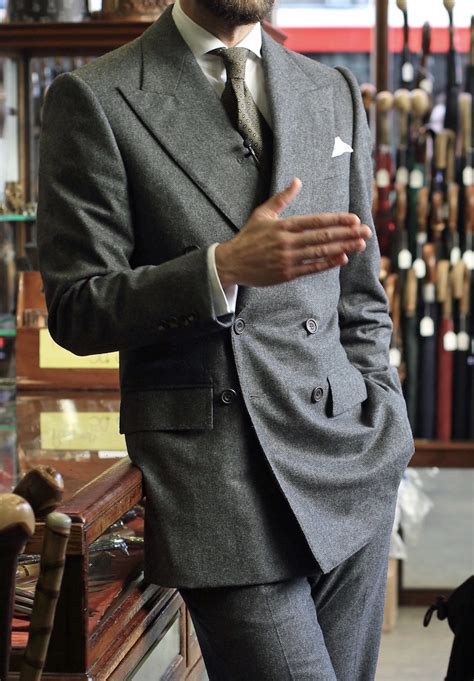
Flannel Suit
Corduroy
What do you mean, you don’t own a corduroy suit? Reliably ridged and heavy enough to keep you warm during any colder weather, this fustian fabric is the perfect option for a seasonal suit. An added bonus? It never ever creases.
Read also: Learn to Ski: A Comprehensive Guide
So, if you’re looking to jump on the corduroy bandwagon, turn first to Richard James. The British brand’s velvety needlecord offering is impeccably constructed, and comes in a dark green perfect for a Christmas office party. Clements & Church will tailor you a double-breasted offering in mid-grey corduroy or, for a splash of bold colour, button up Paul Smith’s neat teal-toned two-piece.
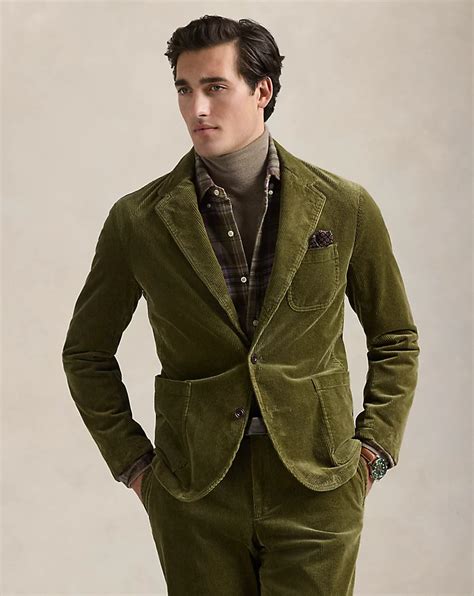
Corduroy Suit
Tweed
This is the classic country gentleman’s material. A more natural take on wool - with an open weave and unrivalled weather-resistant qualities - tweed is ideal if you’re heading to any opulent country piles this winter, or planning to take on the fun challenge of a shoot this season.
The key to pulling off a tweed suit is to keep your colour choice traditional. This jacket, from Ralph Lauren, is subtly checked over a rich brown base for a suitably rural feel. Drake’s takes things monochromatic with this Harris Tweed offering; unlined and unstructured for a more laid-back look. Or go to shooting stalwart Purdey for the real deal - this three-button design with genuine horn buttons and a ticket pocket.
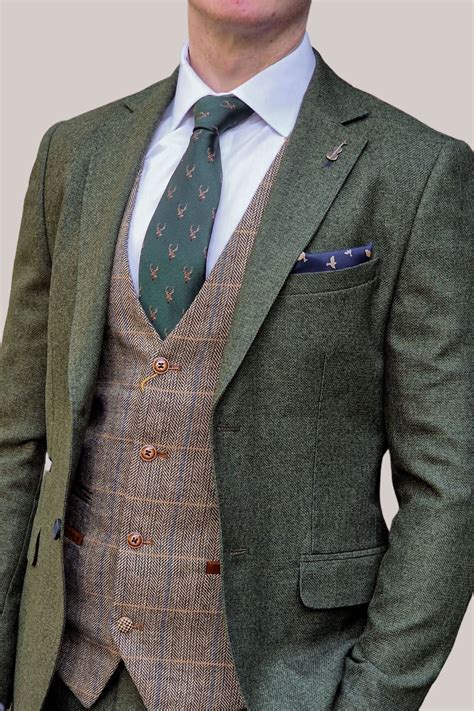
Tweed Suit
Read also: High-Tech Winter Gloves
Twill
With its singular stepped weave and pattern of parallel diagonal ribs, twill tends to drape very well when it hangs off the body. This makes it the ideal candidate for those looking for a more elegant, sleek silhouette this season - without sacrificing any of the warmth or comfort you want from a winter suit.
The Italians should be your go-tos for such functional chicness. Brunello Cucinelli has a suave army-green twill suit; lightweight but lined for warmth. Ermenegildo Zegna, too, has turned its hand to twill with this midnight blue suit - impeccably tailored and with shoulder padding to broaden your frame. Or, if you want to stick with British brands, Richard James’ navy suit has a full lining and felted undercollar to help retain a smart press.
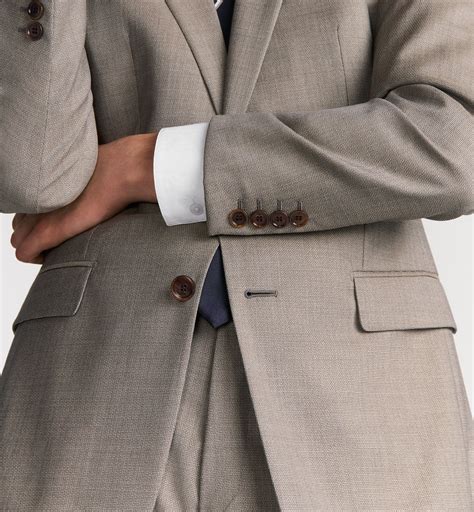
Twill Suit
Vicuña
Simply put, vicuña is the most sumptuous fabric in tailoring. Named for the creature from which the wool comes, vicuña is made up of incredibly fine hairs - even finer than cashmere - which interlock, trap air and give the fabric its simultaneously smooth and ultra-insulating qualities. But you’ll have to have deep pockets to invest in the best.
Just look to Loro Piana’s Madrid design. Available in two colours, these single-breasted suits are woven from fibres collected from the “Dr. Franco Loro Piana” Reserve in Peru. Or, turn back to Ermenegildo Zegna, whose Milano design has a notched lapel, chest welt pocket and a slightly more affordable price tag…
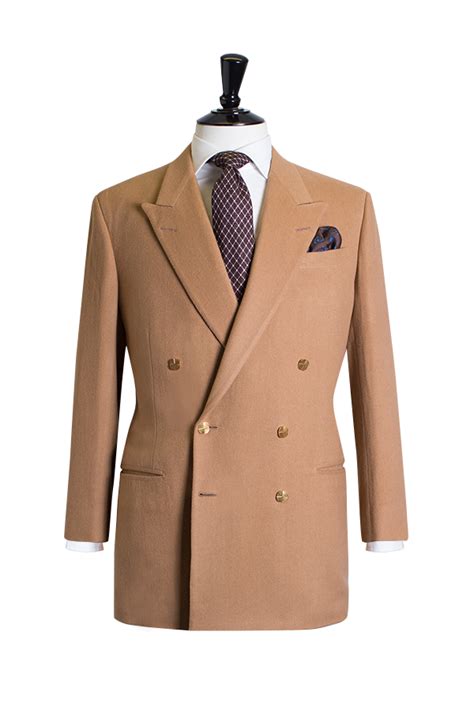
Vicuña Suit
Suit Styles and Fits
Finding the right suit fit is like discovering your sartorial soulmate.
- Slim-Fit Suit: As you may already know from the name, a slim-fit suit is close-fitting and hugs your body. Of course, the fit still offers room for movement and isn't as tight as you may think. This suit is narrower around the chest and shoulders, especially on the waist, and ends with a narrow-fitted leg.
- Regular-Fit Suit: Also known as the classic fit, this is the most traditional suit option. It provides the perfect amount of comfort, especially around the chest and shoulders. This suit provides maximum comfort without looking baggy. It’s timeless and reliable, especially for men who prefer a relaxed but still refined appearance.
- Modern-Fit Suit: A modern fitted suit shares a few similarities with the slim fit. Even though it has a close fit, it is slightly more relaxed than a slim fit, which makes it far more versatile.
Suit Jacket Details
Before you start thinking about small details, let’s begin with the foundation of any suit: the front structure of its jacket.
- Single-Breasted Suit: The single-breasted suit is the most versatile and widely worn jacket style. You’ll see single-breasted suits everywhere, from the office to, even, weddings. This style features a single row of buttons down the front and a narrow overlap of fabric when closed. It’s usually seen with one button; however, it can also come with a single row of up to 3 buttons.
- Double-Breasted Suit: The double-breasted suit appears with two parallel vertical rows of buttons, on either side of the blazer. Typically, this suit has 6 buttons; in rare cases, you can find it with 8 buttons. The minimum number of buttons is 4. This suit is a dressier version, compared to the single-breasted suit, and more suitable for formal occasions. The overlapping fabric and button arrangement broaden the shoulders, slim the waist, and give a powerful silhouette, ideal for taller or athletic builds. It can also work for anyone who wants a sharper, more commanding look.
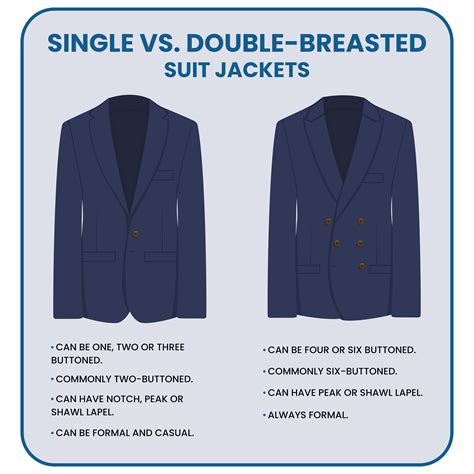
Single-Breasted vs Double-Breasted Suit
Lapels
Lapels are like the eyebrows of a suit jacket; they frame your upper body and set the tone for the overall style.
- Peak Lapel: The peak lapel is a dramatic V-shaped tip lapel, pointing upwards towards the shoulders. It’s often found on double-breasted jackets or high-end formalwear, worn by many celebrities on the red carpet. If you are someone with a more rounded facial shape, then this lapel is a great choice.
- Notch Lapel: The notch lapel is a milder version of the peak lapel and is typically seen on most suits. If you're seeking something more flexible, then we suggest you go with the notch.
- Shawl Lapel: The shawl lapel is instantly recognizable thanks to its smooth, rounded edge with no break or notch. This kind of lapel has more limited use than the rest and is mainly reserved for black-tie events. The shawl lapel is considered the most formal lapel, exuding classic sophistication and a sense of luxury.
Vents
Suit vents may seem like a small detail, but they have a big impact on comfort, movement, and style.
- Center Vent: The center vent, also known as a single vent, is a straight vertical slit at the middle of the back hem of the jacket. This type of vent allows room to move and sit comfortably.
- Double Vents: Double vents feature two slits on either side of the jacket’s back. The double vent originally came from Europe and is often viewed as a more sophisticated piece. Not only does it take more time and money to produce, but it also allows for a slimmer torso.
- Ventless Suit: The most stylish of all - the ventless suit. Ventless jackets have no slits at the back, offering the cleanest, most minimalist silhouette.
Pockets
While you may never use pockets for storage, the type of pocket says a lot about the formality and character.
- Patched Pocket: The patched pocket is the most casual and relaxed of all pocket types. It’s sewn directly onto the outside of the jacket and made of the same material as the blazer, often rectangular.
- Flap Pockets: Flap pockets are smaller than patched pockets and less noticeable. A rectangular flap of fabric covers the pocket opening, adding a touch of polish while remaining practical. Although flap pockets are considered to be more formal, they can be seen on both business suits and on sports coats.
- Jetted Pockets: Jetted pockets, also called a besom pocket, is sewn into the jacket lining with only a slim horizontal slit visible.
- Welted Pocket: The welted pocket is usually found on the chest area of a suit jacket. It’s the pocket where you’d tuck a pocket square.
Buttons
- Single-Button Jacket: This is the most casual option for the jacket and allows space for movement. With just a single button at the waist, it offers a deep V-cut that creates a modern, elegant look. Moreover, a single-button suit creates a slimming effect on your shoulders and balances a wide peak lapel.
- Two-Button Jacket: The two-button jacket is probably the most classic suit you can find today. This is the perfect modern business suit for those who are looking for something more versatile and wearable for more occasions.
- Three-Button Suit: The three-button suit is more formal and structured, offering a higher button stance. Two or three-button suits should always have their last button undone. You're curious as to why? Well, it's simply a trend that began back in England in the early 1900s, during King Edward VII's reign.
Rule number two: Always undo all of your buttons when sitting. No matter if you're wearing a two-button suit or a three-button suit, the entire row should always be unbuttoned.
Canvas
The canvas is one of the most overlooked elements in a suit, but it’s absolutely essential. It’s the inner layer between the outer fabric and the inner lining that helps the suit drape properly and hold its shape over time.
- Full Canvas: A full canvas starts at the chest area of the jacket (including the lapel) and flows throughout the jacket to the hem. Although this option is pricier, a full canvas allows the suit to drape amazingly well, giving you a truly custom-like fit.
- Half Canvas: Just like a full canvas, a half canvas starts at the shoulders but only reaches halfway through the jacket. The piece is sewn into the chest and lapel of the jacket.
- Fused Canvas: A fused canvas suit simply has an interlining glued to the fabric of the suit instead of sewn canvas, commonly found in off-the-rack suits.
Specialized Suit Types
Now that we've covered structural and styling fundamentals, let’s explore some specialized suits that break the rules or serve unique purposes.
- Tuxedo: A tuxedo is the go-to formal suit for black-tie occasions. Its defining feature?
- Morning Suit: The morning suit is traditional British daytime formalwear, instantly recognizable by its long tailcoat, worn with striped trousers and usually a contrasting waistcoat.
- Mandarin Suit: The mandarin suit, sometimes called a band collar or collarless suit, features a short, upright collar with no lapels.
Choosing the Right Suit for Different Events
So, we listed all popular types of suits for men above, along with the appropriate occasions to wear them. However, I will still share with you tips on choosing suitable suits for various events that everyone can attend and experience.
- Beach Wedding: Embrace the seaside ambiance in a breezy, sun-kissed linen suit that whispers laid-back elegance.
- Board Meeting: In the realm of high stakes and firm handshakes, a sharp, meticulously tailored single-breasted suit speaks volumes.
- Cocktail Party: As twilight beckons, slip into a sleek, slim-fit suit, with a touch of midnight velvet if you dare.
- Job Interview: First impressions are paramount, so don a polished, classic suit in navy or charcoal.
- Red Carpet Event: A time-honored tuxedo becomes your ticket to a world of glamour and sophistication.
- Summer Wedding: Navigate the heat with feather-light linen or cotton, a sartorial oasis in the scorching summer.
- Winter Gathering: Wrap yourself in the warm embrace of a cozy, heavier wool suit, where tweed can add a dash of character.
- Office Day: Stride through the office in a relaxed fit suit, a nod to professionalism with a whisper of ease.
- Creative Soirée: Let your ensemble be your canvas at a creative soirée, with a modern fit suit in unique hues or patterns.
- Horse Race: Stand out in the grandstand in a dapper morning suit or a tastefully classic ensemble, accented with a bold tie or pocket square.
- Evening Date: Charm your evening in a soft-shouldered Italian suit, where casual meets chic.
- Graduation Day: Mark the milestone in a smart, modern fit suit, a beacon of your journey ahead.
- Funeral: Step into the sacred with a timeless, conservative suit, where respect and tradition weave through every thread.
- Networking Event: Navigate the mingle with a business-casual ensemble, smart yet approachable.
Layering for Cold Weather
On days when your breath hangs in the air, your clothing strategy is key. Here are our tips for how to dress when the temperatures drop.
Layering Basics
Layering lets you adjust your body's thermostat by putting on and removing items to maintain an even comfort level as conditions and your exertion levels change. This clothing strategy is especially important in wintry weather.
To dress for cold weather, you need three layers to work in concert for maximum warmth:
- Base layer: Your long underwear wicks sweat away from your body to keep your skin as dry as possible.
- Middle layer: The second layer, whether a fleece or puffy jacket, traps as much body heat as possible and protects it from the cold.
- Outer layer: Your jacket needs to protect you from rain and wind.
How to Choose Your Base/Underwear Layer
Choose your base layer weight depending on your activity, weather and how hot or cold you run. Warm skin starts with dry skin, so your long undies' job is to wick perspiration away from you. (Wet skin is a recipe for becoming chilled.)
- Fabric: Synthetics like polyesters are great at both wicking and drying. Wool-soft, nonitchy merino wool-is a good natural fiber option.
- Fit: Wicking can't happen in places where fabric isn't touching skin, so you want a comfortably snug (not tight) fit everywhere.
- Thickness (weight): Heavyweight makes sense for below-freezing temps and low activity levels. Midweight is a good all-around choice for cold conditions. Lightweight is best left to milder conditions.
How to Choose Your Middle/Insulating Layer
This is the layer most of us think about in cold conditions, so it's not surprising that its job is to retain warmth.
- Insulation material: If you're a huge fleece fan, then make sure your jacket is heavyweight fleece. When you're talking serious cold, then puffy jackets come into play. Down is the gold standard here, but not so great if it gets wet. Puffy jackets with synthetic fills are your better option when conditions are damp or you'll be breaking a serious sweat.
- Insulation thickness: This is tricky because you can't rely on thickness to indicate warmth level when insulation types differ. You can eyeball two jackets with identical insulation specs, though, and conclude that puffier equals warmer.
- Full coverage: It's easy to become jacket obsessed. Save some love for the legs. Pack along a pair of fleece pants or insulated pants so your lower half can stay as warm as your top side.
How to Choose Your Outer Layer (Jackets and Pants)
This is your outer line of defense. Even though it's often referred to as "rainwear," this layer's job is to shield the underneath layers from snow, sleet, rain and wind. Whatever you wear needs three important attributes:
- Precipitation protection: A wicking base layer can't keep your skin dry if what's falling from the skies soaks you from the outside. In winter you don't want to sacrifice any warmth to evaporation cooling. So wear a shell that's "waterproof," rather than merely "water resistant," unless conditions are crystal clear and shelter will always be close at hand.
- Breathable protection: Perspiration wicked by your base layer needs a way to escape. Wear a shell that's breathable or moisture can build up inside it and soak you. You don't need the most expensive GORE-TEX® rainwear-any shell that's designated as "waterproof/breathable" should cover you.
- Windchill protection: The good news is that any shell that's "waterproof" is also "windproof."
- Shell pants: Cold wet ankles are no fun, so be sure your boot tops are covered. If your pants don't do that, then consider adding a pair of gaiters.
How to Keep Your Head, Hands and Feet Warm
To prevent extremities from getting cold, cover up everywhere. The warmest options in hats, gloves and footwear do the same thing as layers elsewhere: wick, insulate and block rain and wind.
- Hats: Wool and synthetic beanies work well, and you can rely on your shell jacket's hood for rain coverage. Full-on winter hats will have insulation inside a shell material. Make sure any headwear covers your ears. If your face is uncomfortably cold, then wear a balaclava.
- Gloves: Fleece gloves provide basic warmth. Insulated gloves, especially ones with waterproof/breathable shells are better. Mittens, because they let finger share warmth, will always be a warmer option than a glove made of the same materials.
- Boots: Boots with thick, non-cotton socks can provide warmth when conditions are merely cold but not wet or snowy. Waterproof boots are the next step up. Winter boots, in addition to offering traction on snow or ice, will include insulation.
- A warmer coat: Think of this as a twist on "cold hands, warm heart." If your heart is truly toasty, then it has plenty of warm blood to pump out to your hands and feet.
- Hand and foot warmers: You can also add warmth by slipping hand or foot warmers inside your gloves or socks. Some gloves include pockets sized for the packets.
- Electric accessories: If you prefer nondisposable heat (and have lots of disposable income) you can get rechargeable warmers, gloves, socks and insoles. The price for these is steep, though, so most people only turn to them if their hands and feet are chronically cold.
The TRUTH About Winter Layering No One Talks About
Additional Layering Tips for Cold Weather
- Don't wait to adjust layers: Throw on a shell at the first sign of rain or wind, and remove your insulating jacket the minute you start to sweat. Staying warm and dry is easier than warming up or drying out.
- Cotton is a no-no in any layer: Set aside your love of cotton flannel (or anything cotton) because it soaks up water and takes forever to dry out. That's a recipe for hypothermia.
- Layers should play well together: Middle and outer layers need to glide on and off. When they fit too tightly with the layers beneath them, then adjustments become cumbersome and you risk constricting circulation.
Made-to-Measure Suits
A made-to-measure suit is crafted using your exact body measurements, ensuring a perfect fit for any body type, whether you're tall, broad, athletic, or somewhere in between. Unlike off-the-rack suits, it adapts to your unique proportions and posture for maximum comfort and confidence.