When it comes to snowmobile performance, there’s no overstating the importance of battery maintenance-especially in winter. Cold weather can take a toll on your battery’s ability to hold a charge, and without proper care, you could find yourself unable to enjoy the snow when it falls or, worse, stranded in the snow, unable to start your snowmobile. This guide provides essential snowmobile battery maintenance tips to ensure your battery stays reliable and ready, no matter how cold it gets. From proper charging methods to avoiding common storage mistakes, we’ve got you covered.
Whether you’re an experienced rider or just getting started, these tips will help extend your battery’s life and keep you prepared for the season ahead. Many new riders, especially, may not know much about batteries or why they would need specific maintenance in the winter. Let’s start there.
Why Battery Maintenance Matters in Cold Weather
Snowmobiles are built to handle tough winter conditions, but the cold can have a significant impact on battery performance, especially if not maintained properly. Cold temperatures slow down the chemical reactions inside your battery, causing it to lose charge more quickly. Without proper winter maintenance, snowmobile batteries can lose capacity, reducing the power they can output, or become damaged beyond repair. That’s why it’s essential to maintain your battery, especially in freezing temperatures, to ensure reliable starts and longer battery life.
If the battery’s voltage drops too low, it can even freeze, leading to permanent damage and the need to replace your battery. AGM and conventional batteries are particularly vulnerable to cold unless maintained. While AGM batteries are sealed and maintenance-free, they still need to be kept fully charged to prevent freezing. Conventional batteries require regular maintenance, such as checking electrolyte levels and topping off with distilled water.
If the battery charge is not maintained and the acid concentration drops, the water in the electrolyte can freeze, causing further damage.
Read also: Do Snowmobiles Have Brakes?
Using premium Absorbed Glass Mat (AGM) batteries, like ODYSSEY® batteries from EnerSys®, provide greater durability and power than conventional lead acid batteries. They are sealed and are therefore non-spillable and leakproof, as well as built to resist the shock and vibration commonly encountered when traveling on snow. ODYSSEY® batteries employ Thin Plate Pure Lead (TPPL) technology. The plates are made with pure lead, which enables them to be thinner so that more can fit into the same battery footprint. The additional surface area increases the chemical reactions with the electrolyte, which generate twice the overall power and three times the life of conventional batteries at up to 400 cycles at 80 percent Depth of Discharge (DOD). Whether you’re on the job patrolling on a snowmobile or riding for fun, it’s important to use a battery that you can depend upon to help provide consistent power and withstand repeated impact at low temperatures.
Are Snowmobile Batteries 6 Or 12 Volt? - The Winter Sport Xpert
Common Battery Maintenance Challenges for Snowmobiles
Winter weather presents unique challenges for snowmobile batteries, and without proper care, you could encounter issues that affect both performance and lifespan.
Freezing Temperatures
The necessary weather for perfect snowmobiling, as it turns out, is not the best possible environment for a battery. Cold temperatures reduce the batteries ability to put out power, causing the battery to lose charge over time simply because it’s cold. If the battery’s charge drops too low, it risks freezing, particularly in conventional batteries where the water in the electrolyte becomes vulnerable to freezing.
Voltage Drops from Inactivity
You know that you aren’t going to get to ride every day in the winter because sleds require specific conditions for optimal operation. That means they often sit unused for long periods, especially when the weather isn't ideal for riding. Inactivity causes slow voltage drops, eventually leading to a slow but steady discharge over time. Over time, this reduces the battery’s capacity to hold a charge.
Improper Storage
It’s not just a matter of parking it and leaving it, but many riders don't realize the importance of storing their snowmobile batteries correctly. Leaving the battery connected while in storage can lead to parasitic drain from onboard electronics, gradually depleting the charge and leaving the battery vulnerable to freezing or sulfation. Even in a temperature-controlled garage, leaving the battery mounted and connected can lead to faster charge loss over time.
Read also: Snowmobiling Terms in Ontario
Difficulties with Charging
Charging a snowmobile battery in freezing conditions can be tricky. When a battery is extremely cold, it becomes harder to charge and may not accept a charge as efficiently. It's important to ensure the battery is fully charged before it's exposed to freezing temperatures.
To overcome these challenges, consistent maintenance is key. By keeping the battery charged, disconnecting it when the snowmobile is not in use, and storing it in a cool but not freezing environment, you can prevent many of these issues.
Essential Snowmobile Battery Maintenance Tips
Proper maintenance during the winter months is key to keeping your snowmobile battery in top condition. Following these essential tips can help extend your battery's life and ensure it’s ready when you need it most:
Keep the Battery Charged
Ensuring your snowmobile battery is fully charged is the most important step for winter maintenance. Use a battery maintainer or trickle charger to prevent the battery from discharging over time. A fully charged battery resists freezing and maintains its overall performance, even in sub-zero temperatures.
Store in a Cool, Dry Place
If you’re not planning to use your snowmobile regularly, it’s important to store the battery properly. Disconnect the battery and store it in a cool, dry environment away from direct exposure to extreme cold or heat. This helps prevent charge loss and protects the battery from damage.
Read also: Comprehensive Yamaha Review
Use Factory Activated Batteries
For certain models like Ski-Doos, it’s best to use factory-activated AGM batteries. These batteries are pre-filled and sealed, reducing the risk of acid leaks that can occur if a freshly activated battery is stored on its side.
Check Fluid Levels for Conventional Batteries
If your snowmobile uses a conventional battery, you must check and maintain the electrolyte levels. Make sure the fluid is topped off with distilled water, especially before winter storage, to avoid sulfation and freezing.
Tools and Accessories for Battery Maintenance
Using the right tools and accessories can make all the difference when it comes to maintaining your snowmobile battery during the winter months.
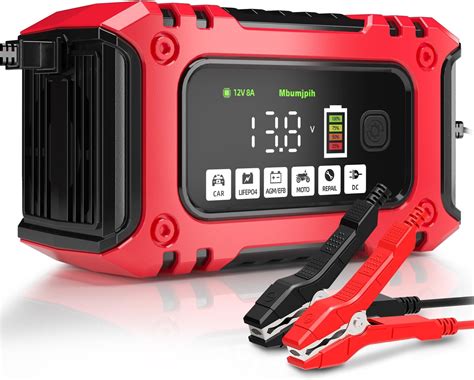
- 1.2 AMP Automatic Battery Charger & Maintainer: Ideal for snowmobile batteries, this automatic charger delivers a steady 1.2 AMP charge to keep your battery at an optimal level without the risk of overcharging.
- 2 AMP Dual-Bank Automatic Battery Charger & Maintainer: If you have multiple vehicles to maintain, the 2 AMP Dual-Bank charger allows you to charge two batteries at once.
- 3 AMP Automatic Battery Charger & Maintainer: For those looking for a faster charge, the 3 AMP charger provides a higher amperage for quicker results while still protecting your battery from overcharging. It’s an excellent choice for larger batteries or situations where you need to bring a battery back to full charge more quickly.
How to Ensure Your Snowmobile Battery is Ready After Storage
After months of storage, it’s crucial to check your battery’s health before hitting the trails. Following these simple steps will ensure your battery is in optimal condition when it’s time to ride:
Check the Voltage
Before reinstalling the battery, use a multimeter to check the voltage. Ideally, your battery should read above 12.6 volts. If the voltage is lower, it’s essential to fully charge the battery before using it to avoid potential damage or reduced performance.
Charge the Battery if Necessary
If your battery’s voltage is below the recommended level, use a battery charger to bring it back up to full charge. Make sure you’re using a charger that matches the battery’s requirements, like one of the automatic chargers mentioned earlier. Charging before riding helps prevent any strain on the battery during ignition.
Inspect the Battery for Damage
Before reinstalling the battery, check for signs of wear or damage. Look for any cracks, leaks, or corrosion on the terminals. If you notice anything out of the ordinary, it’s best to replace the battery to avoid further issues.
Top Off Fluid Levels (for Conventional Batteries)
If you’re using a conventional battery, make sure to check the electrolyte levels. If the fluid is low, top it off with distilled water. Keeping the electrolyte level where it should be ensures the battery performs optimally.
Popular Yuasa Batteries for Snowmobiles
Snowmobile owners have long trusted Yuasa for providing reliable, high-performance batteries that can withstand harsh winter conditions.
- Arctic Cat: YTX20H - The YTX20H offers high cold cranking amps (CCA) to ensure reliable starts, even in sub-zero temperatures.
- Ski-Doo: YTX20L, YTX20HL, YIX30L - Ski-Doo riders rely on these Yuasa models for their snowmobiles.
- Polaris: YTX20CH-BS, YTX20HL, YIX30L - Polaris snowmobiles, known for their durability, perform best with Yuasa’s YTX20CH-BS or YTX20HL.
- Yamaha: YTX20H, YTZ20L, YTX20HL - Yamaha snowmobiles are often paired with the YTX20H for reliable starting power. The YTZ20L and YTX20HL are great alternatives, offering maintenance-free performance with solid power output for long winter rides.
With these popular battery options, Yuasa ensures that your snowmobile is equipped with the best power source to handle extreme cold and provide reliable performance when you need it most.
Replacing a Snowmobile Battery: A Step-by-Step Guide
Your snowmobile may be a fun ride, or it’s meant to be a functional transport around your property. Regardless of its primary use, every snowmobile requires a battery. After several years, it may be time to replace that snowmobile battery.
- Be sure that the snowmobile is turned off before you open the hood. Safety should always come first during a snowmobile battery replacement project.
- Take a look at the snowmobile battery. It should have some reference numbers and letters on it. Verify that your replacement battery is compatible with this type. AGM batteries, for instance, are good replacements for older technologies, states Varta Powersports.
- When you learn how to replace a battery, part of this skill is maneuvering around other parts in the engine compartment. Many snowmobile models have an air box that resides just above the installed battery. Remove this component along with its attached hoses.
- Continue with your snowmobile battery replacement task by loosening the negative or black wire. Always start with this ground wire because it’s the safest way to deal with a battery.
- With the negative wire draped away from the battery, carefully remove the positive or red wire. Drape it in the opposite direction from the black wire. Regardless of why the battery failed, including shorts and drained conditions, there’s always a possibility of electrical arcing or sparks.
- Carefully slide the old battery out of its compartment. If it meets any resistance, check for obstructions. Don’t force it from its position.
- Part of how to replace a battery includes cleaning the surrounding components. Before bringing the new battery into the picture, inspect the loose wires. Clean off any corrosion with a rag. Be sure to remove all of the corrosion.
- Take a critical look at the parts below the exposed space for the battery. Adjust any parts that appear loose, such as the steering components.
- Add the new battery to the open space. Verify that no parts are caught or obstructing the battery’s position. It should sit snugly within the space.
- Connect the red wire to the battery first. End the battery installation with the negative wire being securely attached to its terminal. Reconnect the air box and its associated hoses.
- Close the hood and test the snowmobile. A properly installed battery should power right up.
Swap out your battery as a precautionary measure before a major storm or cold snap.
tags: #batteries #for #snowmobiles